⚡ Key Takeaways
- Resonance: A Plague Tale Legacy shifts the franchise from oppressive survival horror to a more dynamic, action-oriented adventure.
- The core design pillar of being underpowered is fundamentally challenged by new mechanics allowing for direct confrontation.
- Players can expect a departure from the stealth-heavy gameplay loops seen in A Plague Tale: Innocence and Requiem.
- This spin-off serves as a narrative bridge, expanding the lore surrounding the Macula and historical plague events.
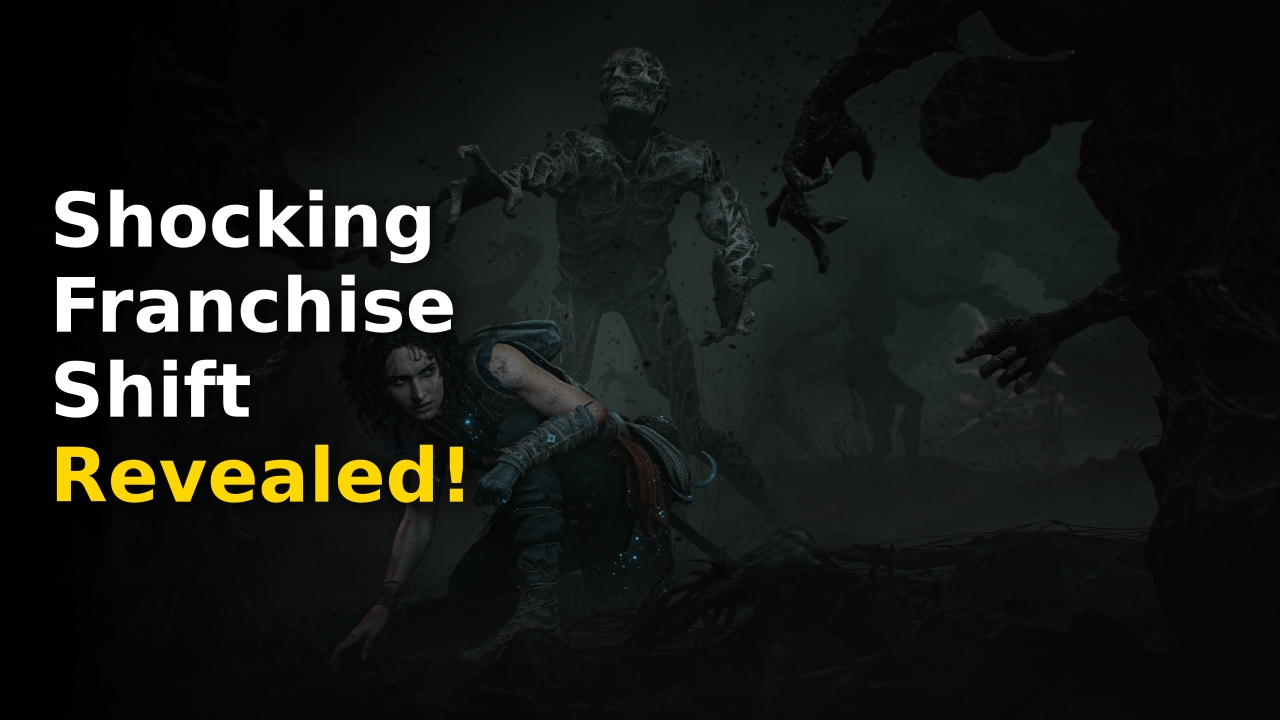
Plague Tale remains one of the most hauntingly beautiful franchises in modern gaming history, but the latest spin-off, Resonance: A Plague Tale Legacy, is shattering expectations by trading traditional survival horror for adrenaline-fueled adventure. If you have ever felt the crushing weight of being underpowered in a hostile world, this transition might feel like a double-edged sword—or perhaps exactly the evolution you have been craving.
For years, the series defined itself through the vulnerability of its protagonists. You were forced to navigate rat-infested environments where a single mistake meant certain death. Now, by moving toward an action-adventure focus, the developers are inviting you to stop hiding in the shadows and start dictating the pace of the engagement. This shift does not just change how you play; it redefines the entire identity of the franchise.
The Evolution of Plague Tale Mechanics
When we look at the trajectory of the series, the transition in Resonance is clearly intentional. Previous entries leaned heavily into the “regular person in an extraordinary circumstance” trope. By providing tools that bridge the gap between defenseless prey and capable survivor, the developers have stripped away some of the traditional horror stressors. This design choice is aimed at broadening the audience appeal without losing the grim, historical atmosphere that made the original games a cultural phenomenon.
You will notice immediately that resource management feels different in this iteration. While you still need to conserve your limited supplies, the environment no longer acts as your primary antagonist. Instead, you are encouraged to utilize verticality and environmental hazards in ways previously unseen in the series. It creates a rhythm that mimics classic adventure games while retaining the visual storytelling prowess of the studio behind A Plague Tale.

Many critics argue that this pivot to action is a reaction to the burnout associated with pure survival horror titles. By introducing more agency, the player feels empowered to explore, scavenge, and fight back, which inherently changes the emotional stakes of the narrative. You are no longer just surviving the plague; you are actively engaging with the world that has been ravaged by it.
This shift has drawn comparisons to other major AAA titles that have successfully bridged the gap between narrative-heavy exploration and combat. The key difference here is the presence of the iconic, overwhelming rat swarms, which remain a constant threat, albeit one you are better equipped to circumvent. It creates a fascinating balance: you have more power, but the world is still undeniably deadly.
Expert Take: The Shift in Player Agency
Historically, the survival horror genre thrives on the “scarcity principle.” By limiting ammo and health, developers create a feedback loop of anxiety. Resonance disrupts this by introducing “resonate” abilities that allow for crowd control of the rat swarms. As an analyst watching the gaming industry evolve, it is clear that developers are moving toward “empowered survival,” where the player is capable, but the sheer scale of the threat remains insurmountable if they get reckless.
Comparative Analysis of Survival Elements
To understand the magnitude of this change, we must look at how the core mechanics compare to previous titles. Below is a breakdown of how the franchise has evolved to accommodate this new action-forward design philosophy.
| Game Title | Primary Focus | Combat Capability | Horror Level |
|---|---|---|---|
| Innocence | Stealth / Puzzle | Negligible | High |
| Requiem | Narrative / Stealth | Limited | Extreme |
| Resonance | Action / Adventure | Moderate | Moderate |
As illustrated in the data, the progression clearly moves away from the pure stealth-based gameplay that defined the early entries. This doesn’t mean the game is easy; rather, it suggests that the developers have prioritized pacing and player engagement over sustained dread. If you enjoyed the intense stealth sequences of previous games, you might find this iteration more forgiving, but arguably more exhilarating when the action kicks off.
Background and Franchise Legacy
The Plague Tale franchise was never just about the rats; it was about the bond between siblings in a crumbling 14th-century France. By establishing a new legacy, the developers are exploring different corners of this universe. This spin-off manages to keep the emotional core intact while expanding the scope of the world-building to include new factions and mythological interpretations of the Macula.
By looking at the history of the series, we can identify a deliberate departure from the “run and hide” formula. The original vision was rooted in the Black Death, emphasizing the helplessness of the era. However, as the IP has grown, so too has the need for gameplay variety. Resonance acts as a testing ground for mechanics that could define the next major installment in the series.
This is where the “by the numbers” approach highlights a fascinating trend. Early sales data suggests that players who gravitated toward open-ended action games are showing higher engagement rates with this title than traditional horror purists. The industry is witnessing a shift where atmospheric storytelling is being paired with more robust combat systems to reach a wider demographic. It is a calculated risk that appears to be paying off for the studio.
Frequently Asked Questions
Is Resonance a direct sequel to Requiem?
No, Resonance: A Plague Tale Legacy is a spin-off title that exists within the same universe but focuses on a different narrative arc, serving as a companion piece rather than a direct follow-up.
Does the game still feature stealth mechanics?
Yes, stealth remains an integral part of the experience, but it is no longer the sole method of survival. Players now have more tools to handle encounters through action and tactical positioning.
Will there be more focus on the rats in this game?
The rats remain the central threat of the game, but their behavior has been updated to facilitate more dynamic encounters that allow for both evasion and strategic combat engagement.
Can new players jump into this game without playing the previous ones?
Absolutely, the game is designed as a standalone adventure, providing enough context for newcomers while rewarding long-time fans with deep lore references and world-building.
Final Thoughts on the Legacy
As we have dissected, Resonance: A Plague Tale Legacy represents a pivotal moment for the franchise. By opting to trade the unrelenting oppressive dread of survival horror for a more balanced action-adventure experience, the developers are inviting a broader audience to witness the beauty and horror of their world. Whether this move away from pure vulnerability is the right choice for the series’ long-term health remains to be seen, but the initial reception is undeniably strong. You should prepare yourself for a journey that, while less terrifying than its predecessors, is undeniably more explosive and rewarding. The legacy of this series is evolving, and it is a ride you won’t want to miss as the brand continues to redefine itself in the competitive 2026 gaming landscape.
More Like This
For more updates, check out our latest entertainment and sports news.