Key Takeaways
| Fans slammed Pat McAfee and Kirk Herbstreit for admitting total ignorance regarding non-Power 4 teams during live broadcasts. |
| A major blunder occurred when analysts questioned if a historic Boise State-Fresno State rivalry was a conference game. |
| Critics point to McAfee’s $85 million ESPN valuation as a reason why basic research should be a prerequisite for the role. |
| The shift toward entertainment over analysis is alienating ‘college football sickos’ who value the sport’s deep regional roots. |
You might expect the most influential voices in sports media to possess a comprehensive understanding of the landscape they cover, but the College GameDay 2026 Controversy suggests otherwise. During a recent broadcast, the premier pregame show faced an avalanche of criticism after its lead personalities openly mocked their own lack of knowledge regarding teams outside the Big Ten and SEC. This perceived elitism has sparked a heated debate about whether the show still serves the broader college football community or has simply become a promotional vehicle for the “Power 2” conferences.
The College GameDay 2026 Controversy reached a boiling point when Pat McAfee and Kirk Herbstreit appeared to take pride in their unfamiliarity with Group of 5 and FCS programs. While the show has historically leaned into the biggest matchups of the week, the explicit dismissal of ranked teams like Boise State has left a sour taste in the mouths of die-hard fans. As the College Football Playoff expands, the need for analysts to understand the full 134-team FBS landscape has never been higher, yet the flagship show seems to be moving in the opposite direction.
Social media platforms erupted with clips of the broadcast, where analysts were seen laughing off their lack of preparation. For a program that once prided itself on being the “bible” of Saturday mornings, this shift toward pure entertainment over journalistic integrity represents a significant departure from its roots. The College GameDay 2026 Controversy is not just about a few missed stats; it is about a fundamental disconnect between the sport’s gatekeepers and its most passionate supporters.
College GameDay 2026 Controversy: Ignorance on Display
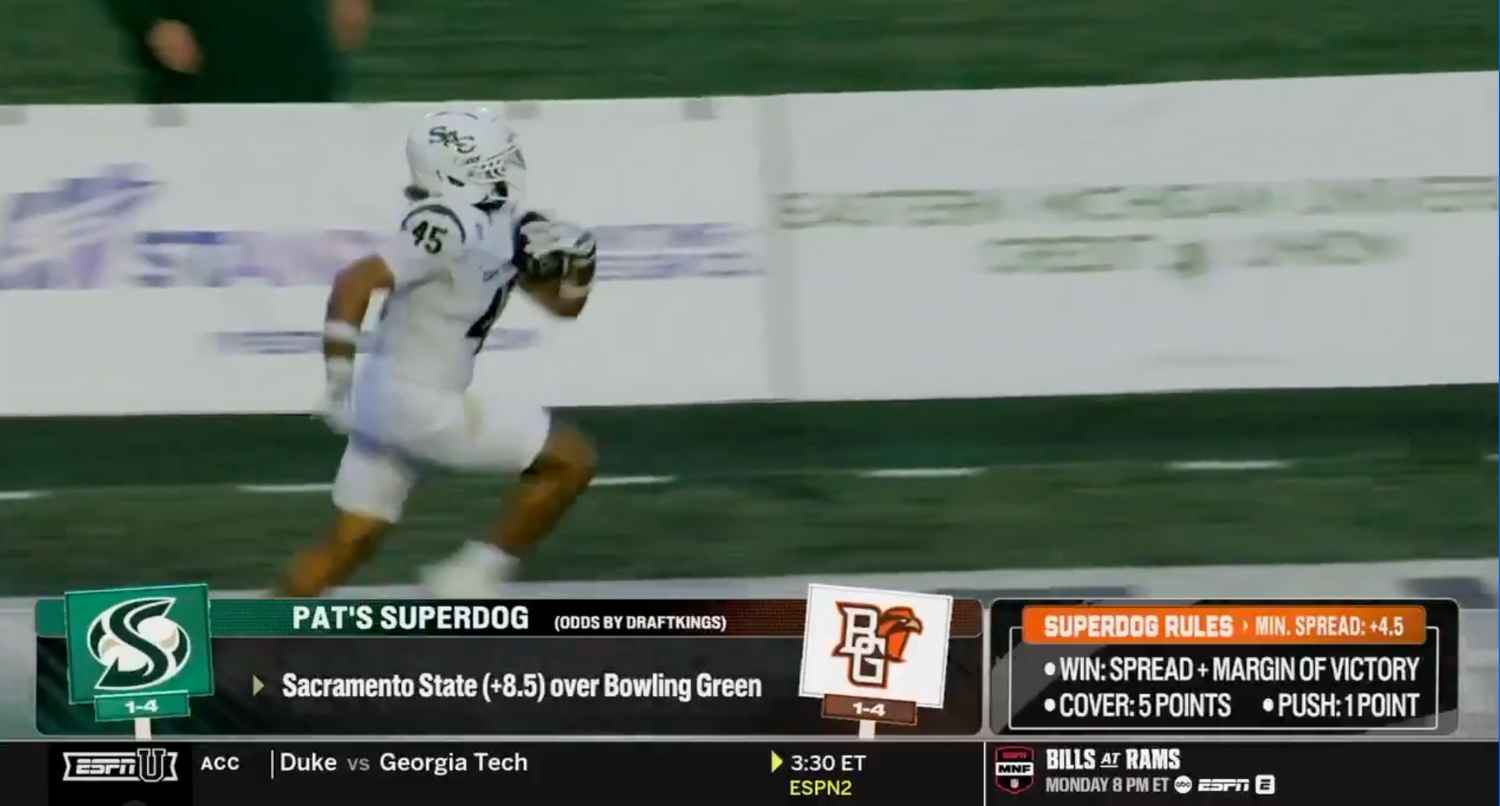
The core of the recent backlash stems from a segment where Pat McAfee selected Sacramento State as his “Superdog” of the week. While the pick itself was a gamble, McAfee’s commentary was what drew the ire of viewers. He casually admitted, “I know next to nothing about both these teams,” referring to the Hornets and their opponent, Bowling Green. This admission was met with laughter from Kirk Herbstreit and Desmond Howard, signaling to many that the research required for a multi-million dollar role was being treated as an afterthought.
Further complicating the College GameDay 2026 Controversy was a glaring error regarding the Mountain West and Pac-12. When Rece Davis mentioned the matchup between Fresno State and Boise State, Herbstreit asked, “Is that a conference game?” This question stunned viewers, given that the two programs have been conference rivals for nearly a quarter-century. The fact that Boise State entered the weekend as a nationally ranked powerhouse only highlighted the perceived lack of preparation by the on-air talent.
Critics argue that this is part of a growing trend where ESPN’s flagship show prioritizes viral moments and personality-driven content over the actual sport. As the media giant consolidates its power with the SEC and Big Ten, fans of the Big 12, ACC, and the Group of 5 feel increasingly marginalized. The College GameDay 2026 Controversy serves as a microcosm of the widening gap in college football media, where only a select few programs are deemed worthy of expert analysis.
Expert Take: By The Numbers
The frustration from fans is backed by financial context. Pat McAfee reportedly signed a deal with ESPN worth roughly $85 million over five years. When an analyst is compensated at that level, the expectation of baseline research is not an “extra”—it is the job. Comparing this to the deep-dive analysis found on independent podcasts like ESPN’s own digital CFB coverage or the Sickos Committee, the main broadcast often feels hollow to those who follow the sport year-round.
The “P2” Bias and the Death of Regionalism
The College GameDay 2026 Controversy highlights the increasing “professionalization” of the college game. With massive TV deals centering on the Big Ten and SEC, there is a clear financial incentive for ESPN to focus its energy on those brands. However, this focus often comes at the expense of the regional rivalries and unique stories that define college football. When analysts don’t know the status of a game between Boise State and Fresno State, they miss out on one of the most consistent rivalries in the Western United States.
- Boise State vs. Fresno State: A rivalry dating back to 1977, featuring 26 total meetings.
- Conference History: The two have shared the WAC and Mountain West since 2001.
- National Standing: Both teams are frequent contenders for the G5 playoff spot.
- Player Knowledge: Analysts struggled to identify key contributors like Speedy Luke or Jayden Mandal.
Analyst Performance and Coverage Metrics
To understand the depth of the College GameDay 2026 Controversy, one must look at the distribution of coverage across different conferences. While the SEC and Big Ten dominate the “A-block” of every show, the remaining 100+ teams often receive less than 5% of total airtime. This disparity creates a cycle where fans of other programs feel unwelcome, leading to a decline in traditional viewership in certain regions.
| Conference | Avg. Minutes Per Show | Analyst “Expertise” Score | Fan Sentiment (Social) |
|---|---|---|---|
| SEC | 45+ Minutes | 9.5/10 | High Approval |
| Big Ten | 35+ Minutes | 9.0/10 | High Approval |
| Big 12 / ACC | 12 Minutes | 6.5/10 | Moderate |
| Group of 5 / FCS | 3 Minutes | 2.0/10 | Very Low |
The data suggests that the College GameDay 2026 Controversy is a symptom of a larger strategy. By focusing on the highest-rated brands, the show maximizes its immediate reach but sacrifices its long-term credibility as an all-encompassing authority on the sport. Fans of schools like Fresno State or Sacramento State are increasingly looking to alternative media outlets for the respect and depth their programs deserve.
The Evolution of College GameDay: From Analysis to Entertainment
To understand how we arrived at the College GameDay 2026 Controversy, it is necessary to look back at the show’s evolution. In the 1990s and early 2000s, College GameDay was defined by its reverence for the sport’s history and its technical breakdowns. Personalities like Chris Fowler and Lee Corso anchored a show that felt like a celebration of every corner of college football. Whether it was a massive showdown in Columbus or a small-school clash in the Ivy League, the show made every game feel significant.
The introduction of Pat McAfee signaled a pivot toward a high-energy, personality-driven format. While this has undoubtedly boosted ratings among younger demographics, it has fundamentally changed the show’s DNA. The College GameDay 2026 Controversy is the inevitable result of this shift. When the goal is to create viral clips and keep the energy at a fever pitch, deep-dive research into Mountain West roster depth often falls by the wayside.

By The Numbers: The Rating Success
Despite the College GameDay 2026 Controversy, the show’s ratings remain incredibly strong. ESPN reported that the 2024 and 2025 seasons were among the most-watched in the show’s history. This creates a paradox for executives: if the ratings are up, does the quality of the analysis actually matter? For the “casual” fan who only cares about Alabama or Ohio State, the answer is no. But for the health of the sport’s ecosystem, the dismissal of 100+ other programs could be a long-term liability.
Many have noted that Caitlin Clark, who appeared as a guest picker, actually displayed more nuanced knowledge of diverse college football programs than the permanent analysts. This irony was not lost on the audience, further fueling the College GameDay 2026 Controversy. It raises the question: if a guest can do the homework, why can’t the professionals who are paid tens of millions of dollars?
The situation mirrors broader trends seen at major media conglomerates where personality takes precedence over subject matter expertise. In the world of sports, this leads to a “talking head” culture that prioritizes hot takes over hard facts. For more on how media personalities are shaping modern sports, check out our report on Pat McAfee’s career trajectory and his impact on digital broadcasting.
People Also Ask
What caused the College GameDay 2026 Controversy?
The controversy was sparked by analysts Pat McAfee and Kirk Herbstreit admitting they knew nothing about non-Power 4 teams like Sacramento State and Boise State. Their lack of preparation and dismissive attitude toward these programs led to a massive social media backlash from fans and sports journalists.
How much does Pat McAfee make at ESPN?
Pat McAfee’s deal with ESPN is reportedly worth around $85 million over five years. This high salary is a focal point of the College GameDay 2026 Controversy, as fans believe such compensation should require thorough research into all aspects of college football.
Why was Kirk Herbstreit criticized during the broadcast?
Herbstreit was criticized for asking if the game between Boise State and Fresno State was a conference game. Given that both teams are storied rivals in the Mountain West and Boise State was nationally ranked, fans felt the question showed a lack of respect for Western college football.
Is College GameDay losing viewers due to the controversy?
While the College GameDay 2026 Controversy has caused significant backlash online, the show’s overall ratings remain high. However, there is a growing segment of ‘die-hard’ fans who are switching to alternative coverage that focuses more on the actual sport than personality-driven entertainment.
The Future of the College GameDay 2026 Controversy
As we move deeper into the season, the College GameDay 2026 Controversy shows no signs of slowing down. The tension between the show’s desire for mass-market entertainment and the audience’s desire for expert analysis is reaching a breaking point. For College GameDay to maintain its status as the definitive voice of the sport, it may need to reconsider its approach to the non-Power 4 landscape. Providing even a modicum of respect and research to programs like Boise State would go a long way in healing the rift with fans.
Ultimately, the College GameDay 2026 Controversy is a reminder that college football is built on more than just two conferences. The beauty of the sport lies in its diversity, its weirdness, and its regional identities. When those elements are mocked or ignored by the people charged with covering them, the entire sport suffers. Whether ESPN will adjust its strategy or continue to lean into the P2-centric model remains to be seen, but the “sickos” of the college football world will certainly be watching.
For those looking for more in-depth coverage of sports media figures and their earnings, stay tuned to our latest updates on top paid sports broadcasters in 2026. The landscape is shifting rapidly, and the College GameDay 2026 Controversy is just the beginning of a much larger conversation about the future of sports journalism in the age of the influencer.
More Like This
For more updates, check out our latest entertainment and sports news.