Key Takeaways
| Washington Huskies currently rank 13th in the Big Ten for total roster spending. |
| Jedd Fisch confirmed limited finances prevent replacing drafted talent via the transfer portal. |
| Roster development now relies heavily on freshmen and sophomores despite significant portal losses. |
| Losses to Minnesota and Iowa prove that high spending does not always guarantee on-field success. |
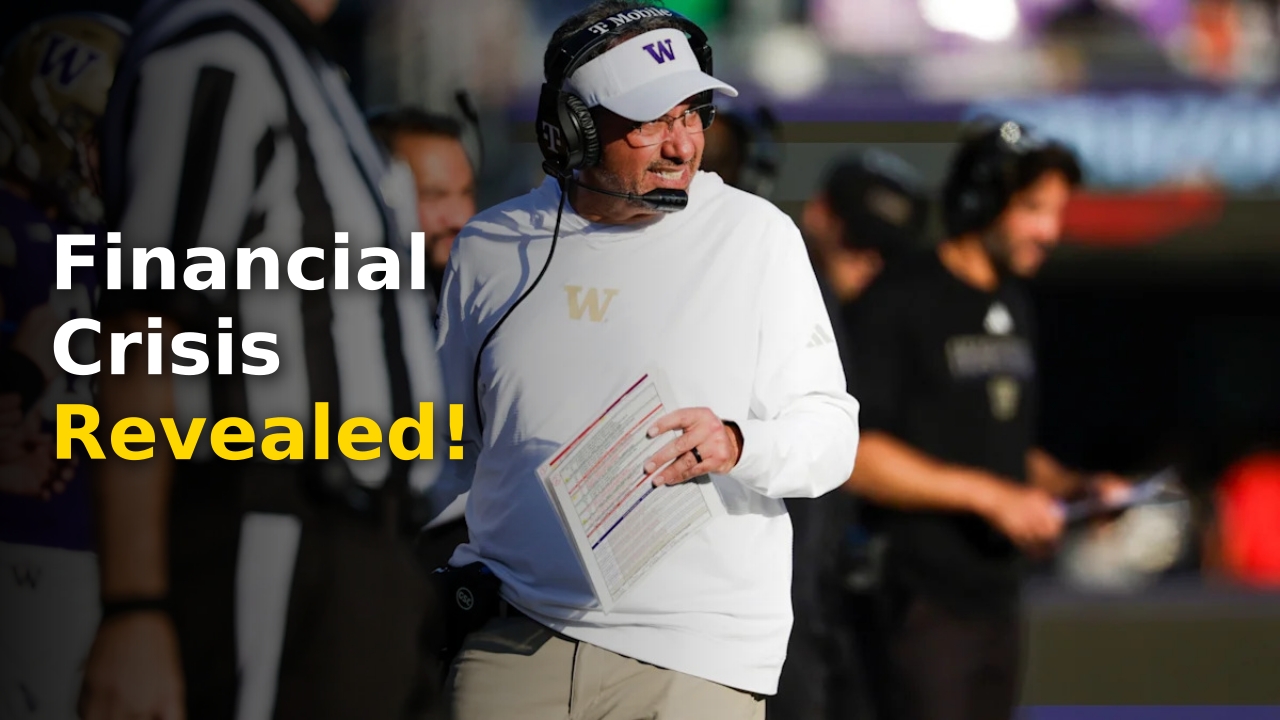
The Washington NIL funding landscape has shifted from optimism to a stark, uncomfortable reality as head coach Jedd Fisch pulls back the curtain on the program’s fiscal limitations. You are witnessing a critical inflection point for the Huskies, who find themselves struggling to maintain parity in the hyper-competitive Big Ten conference. With a roster defined by youth rather than veteran depth, the financial constraints facing the Montlake program are now the primary talking point of the 2026 season.
As you look at the trajectory of Washington football, it is clear that the financial gap between the Huskies and the elite Big Ten programs is widening. Fisch has been transparent about the direct correlation between available resources and the ability to replenish a roster that saw seven players selected in the most recent NFL Draft. Without the liquid assets required to compete for premier talent in the transfer portal, the Huskies are forced into a developmental model that requires immediate results from inexperienced underclassmen.
Washington NIL Funding Reality Under Jedd Fisch
The current state of Washington NIL funding serves as a blueprint for the challenges faced by mid-tier Power Four programs attempting to navigate the era of unregulated collegiate spending. When Fisch arrived on campus, the expectations were sky-high, with many national pundits labeling the Huskies as dark-horse contenders for the College Football Playoff. However, those projections relied on a level of roster stability that the program is currently failing to maintain.
The departure of key contributors—including Raiden Vines-Bright and Adam Mohammed—has left thin patches across the depth chart that the coaching staff lacks the capital to patch. Fisch’s admission during his Monday press conference was not merely a complaint; it was a call to action for stakeholders and donors to realize that the competitive threshold has moved beyond coaching acumen. Without an influx of capital to match conference peers like Oregon or Ohio State, the program faces the risk of stagnation.

Why Financial Depth Matters
Success in modern college football is often bought through aggressive retention and recruitment strategies. When a program lacks the budget to retain its own young core, it creates a cycle of attrition that is difficult to break. This is the reality Fisch is describing: a scenario where the budget dictates the ceiling of the team’s performance regardless of how well the coaching staff develops players.
Financial Landscape: By The Numbers
To understand the depth of the challenge, we must analyze how the Huskies stack up against the rest of the conference. According to data provided by The Athletic’s coverage of Big Ten budgets, the financial stratification is stark, placing Washington in a precarious position compared to their immediate rivals.
| Big Ten Program | Roster Expenditure Rank |
|---|---|
| Washington Huskies | No. 13 |
| Minnesota Gophers | No. 16 |
| Iowa Hawkeyes | No. 17 |
| Purdue Boilermakers | No. 18 |
While the statistics illustrate a clear hierarchy, they also provide a glimmer of hope for those who value coaching over cash. Despite Washington ranking 13th in expenditure, they have struggled against programs ranked 16th and 17th, proving that talent retention is only half the battle. The upcoming road game against Purdue offers a chance to pivot, but the external sports industry news consistently points toward the need for increased liquidity to ensure long-term stability.
Background: The Evolution of Montlake Football
The history of Washington football is steeped in tradition, but the transition to the Big Ten has exposed structural weaknesses. Historically, the program relied on long-term development of three-star prospects to reach national relevance. In the current era, that strategy is being tested by the rapid mobility of the transfer portal and the aggressive financial incentives offered by wealthy conference donors.
Expert Take: The primary issue for Washington is not just the lack of a mega-budget, but the timing of their entry into this new financial paradigm. As the sport moves toward a revenue-sharing model, programs that lack a robust, dedicated NIL foundation will find themselves in a permanent disadvantageous cycle. For a deeper look at the economics of the game, explore the latest financial analysis from ESPN’s college football desk regarding the shifting landscape of Power Four athletics.

People Also Ask
What happened with Washington’s NIL funding today?
Coach Jedd Fisch stated that the program currently lacks the financial capability to replace top drafted talent through the transfer portal, forcing a reliance on underclassmen.
Why is Jedd Fisch trending right now?
Fisch is trending due to his candid comments during a press conference about the team’s low NIL budget and its impact on the Huskies’ ability to compete in the Big Ten.
How does this affect Washington’s upcoming schedule?
The financial constraints exacerbate the difficulty of their current 0-3 Big Ten start, especially as they prepare for a challenging road game against Purdue.
When is Washington playing Purdue?
The Huskies are scheduled to take on the Purdue Boilermakers this coming Friday night in West Lafayette.
The Path Toward Recovery
Turning around the program requires more than just capital; it requires a renewed commitment from the entire university ecosystem. Fisch remains confident that if the current freshmen and sophomore classes can be retained, the Huskies will return to their competitive baseline. However, in the cutthroat environment of the Big Ten athletic programs, time is a luxury that few coaches are afforded. You can follow the ongoing developments as the Huskies fight to reclaim their status as a national contender, keeping an eye on how Washington NIL funding evolves in the coming months as trending sports finance reports continue to impact team morale and recruitment success.
More Like This
For more updates, check out our latest entertainment and sports news.