⚡ Key Takeaways
- Seven premier NFL stadiums successfully transitioned to natural grass for the FIFA World Cup but immediately reverted to artificial surfaces.
- An overwhelming 92% of active NFL players prefer playing on natural grass, citing lower physical impact and reduced injury risks.
- Franchise owners prioritize synthetic fields to host highly lucrative non-football events like Beyoncé concerts and monster truck rallies.
- The playing surface debate is poised to become a critical negotiating chip in the upcoming 2030 Collective Bargaining Agreement (CBA).
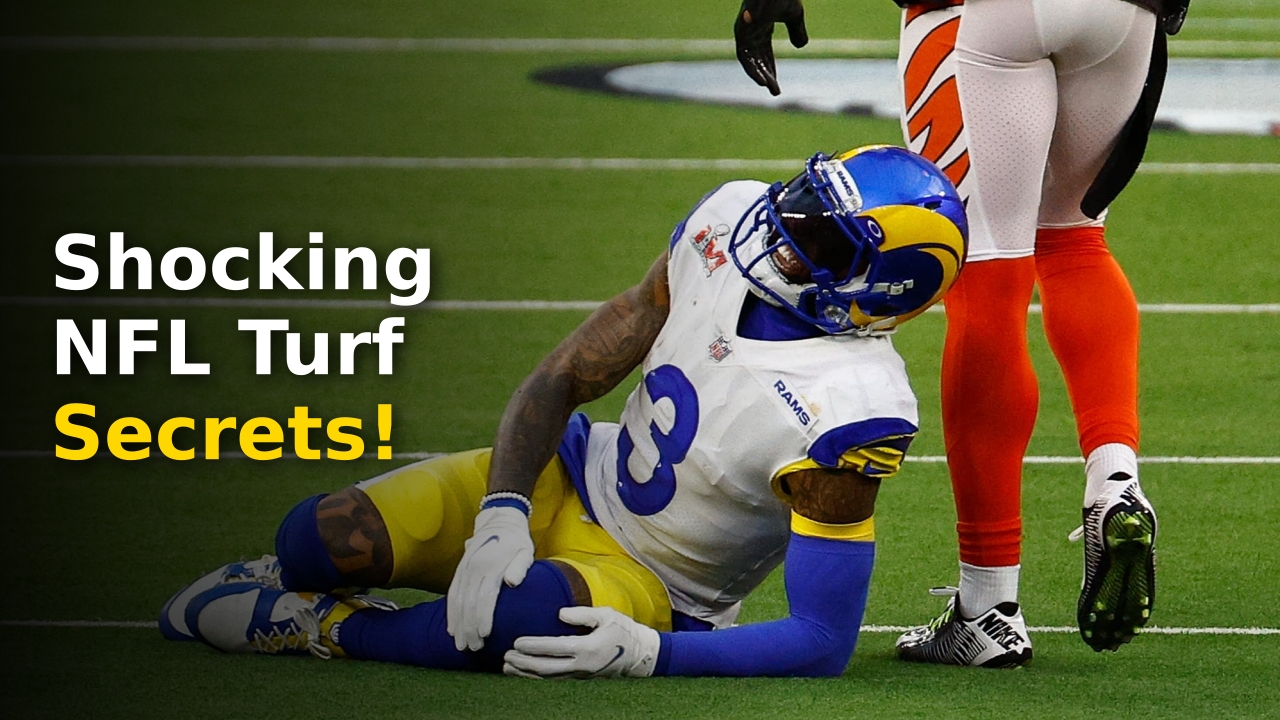
You are watching your favorite NFL stars risk their careers every single week on dangerous stadium turf that players absolutely despise. The controversy over stadium turf has reached an absolute fever pitch as seven massive arenas transitioned back to synthetic fields. For a brief moment, football fans got a glimpse of a safer, greener future on the gridiron. During the recent summer offseason, seven major stadiums across the United States temporarily installed lush, natural grass fields. This expensive transformation was not done out of goodwill for the players, but rather to comply with strict international soccer requirements. The world’s elite soccer stars refuse to play on artificial surfaces due to the high risk of injury. However, as soon as those lucrative international matches concluded, the grass was immediately ripped out of the ground.
The Battle of Stadium Turf
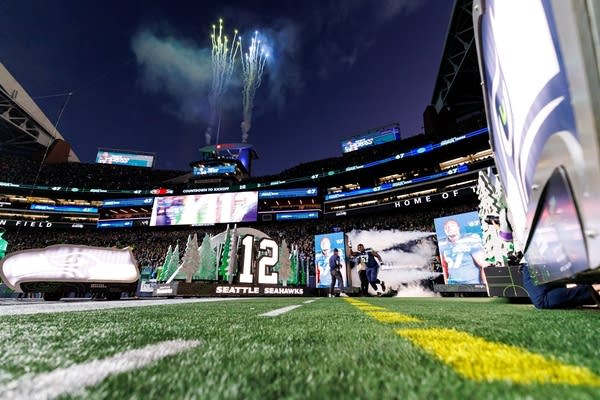
The legendary New England Patriots kicked off their regular season against the formidable Seattle Seahawks. This highly anticipated matchup took place on the artificial field of Seattle’s famous Lumen Field. But behind the spectacular plays and cheering crowds lay a simmering labor dispute that is dividing the league. Both of these historic franchises hosted international matches during the summer months. To prepare for those global events, both venues had to install premium natural grass systems over their existing fields. This temporary change demonstrated that even the most complex arenas can host natural grass when required.
Yet, immediately after the soccer matches finished, both stadiums reverted back to artificial stadium turf. This rapid transition has deeply angered professional football players who have spent decades fighting for natural surfaces. They believe their physical well-being is being ignored in favor of operational simplicity. The rapid reinstallation of synthetic fibers highlights a deep-seated cultural rift between the athletes and the front offices. Players feel they are being treated as secondary assets in their own stadiums.
Seahawks star defensive tackle Leonard Williams watched these events unfold with great interest over the summer. He attended a spectacular international soccer match in Seattle and was highly impressed by the real grass. When reporters asked if he wished the NFL would keep the natural surface permanently, his response was immediate. ‘Yeah, for sure, I think the whole NFL felt that way,’ Williams told local media. ‘We obviously prefer to be on grass because it is just less impact and better on the body.’
This sentiment is backed by hard data collected directly from the players themselves. A comprehensive poll conducted by the NFL Players Association (NFLPA) revealed a staggering consensus among the league’s workforce. An overwhelming 92% of active players prefer natural grass over synthetic alternatives. The player sentiment is not just a vocal minority complaining about the hardness of stadium turf. They are fighting for their health, their long-term career longevity, and their post-retirement quality of life.
The Seven Reverting Stadiums
To understand the scope of this issue, you must look at the specific venues involved in this transition. Seven massive arenas underwent this rapid surface swap during the summer months. These locations represent some of the most prominent examples of modern stadium turf installation. The list includes Lumen Field in Seattle and Gillette Stadium in New England. Additionally, MetLife Stadium in New Jersey, Mercedes-Benz Stadium in Atlanta, and AT&T Stadium in Dallas participated. Finally, NRG Stadium in Houston and SoFi Stadium in Los Angeles rounded out the group. These elite stadiums represent billions of dollars in infrastructure, yet they continue to reject natural grass for football.
Why Billionaires Choose Fake Grass
The decision to maintain artificial stadium turf ultimately comes down to cold, hard financial calculations. Natural grass is an incredibly expensive asset to maintain throughout a grueling sports calendar. Franchise owners must constantly fund the growth, installation, and replacement of delicate sod. A single rainy football game can completely destroy a grass field, requiring hundreds of thousands of dollars in repairs. Additionally, many of these modern venues are built with closed roofs that block the essential sunlight required for grass survival.
Replacing natural grass with durable stadium turf allows owners to schedule back-to-back concerts and major entertainment events. These multi-use facilities are designed to generate maximum revenue every single week of the year. A typical NFL franchise only uses its home stadium for about ten games annually. To turn a massive profit on their multi-billion dollar investments, owners must fill the remaining dates with other attractions. These non-football events would quickly obliterate a natural grass surface.
Legal expert N. Jeremi Duru, director of the Sport and Society Initiative at American University, agreed. ‘I think it comes down to money,’ Duru explained in a recent public interview. ‘In the offseason, you can have concerts coming in, monster truck pulls, or conventions.’ These activities produce essential revenue streams that franchise owners refuse to compromise. If they kept grass, they would have to constantly repair the field or cancel profitable events. The commercial value of synthetic stadium turf cannot be overstated in today’s entertainment landscape.
Consider a massive event like a global Beyoncé concert tour. The heavy stage equipment and foot traffic from tens of thousands of fans would ruin natural grass instantly. Artificial surfaces can easily withstand this intense pressure and be ready for a football game the next day. Therefore, synthetic fields allow stadiums to remain highly versatile financial machines. Owners are simply unwilling to sacrifice these massive windfalls for the sake of player comfort.
By The Numbers: The Financial Equation
Let us look closely at the financial and operational metrics behind these modern entertainment coliseums. The economic margin of choosing stadium turf over real grass is clear when evaluating multi-use arenas. An average natural grass field installation can cost up to $350,000 each time it is fully replaced. If a multi-use stadium hosts five major concerts during the summer, the replacement costs alone could exceed $1.7 million annually. Conversely, high-grade synthetic surfaces last up to ten years with minimal daily maintenance expenses. This staggering financial difference explains why franchise owners fiercely protect their artificial fields, regardless of player sentiment.
Comparing the Injury Data
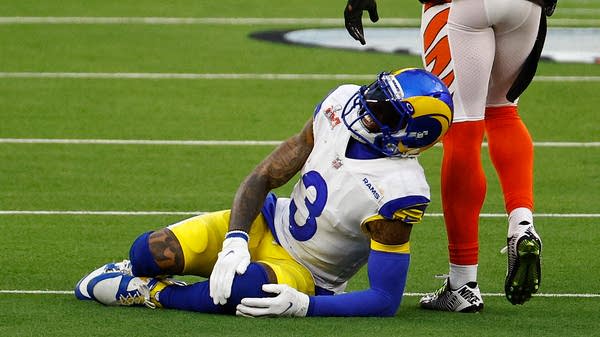
The core of the player protest is centered on personal safety and career longevity. Orthopedic surgeons have frequently analyzed how synthetic stadium turf affects lower extremity mechanics. Independent scientific studies consistently show elevated injury rates on synthetic surfaces. Non-contact lower extremity injuries, such as devastating Achilles tendon tears and ACL ruptures, are particularly common. Players argue that synthetic fibers grab their cleats too firmly, transferring dangerous torque to their joints.
However, the league presents a very different interpretation of the available safety data. In an interview, NFL field director Nick Pappas highlighted a third-party study from the 2025 season. This specific research concluded that injury rates were virtually identical on both grass and synthetic surfaces. The NFL claims that advanced stadium turf engineering has reduced the gap in injury rates. They use these findings to argue that modern technology has made synthetic fields safer than ever before.
To help you understand the conflicting data, let us examine how natural grass measures up against modern stadium turf.
| Surface Feature | Natural Grass | Artificial Turf |
|---|---|---|
| Average Cleat Release | High (Safer for joints) | Low (Higher joint torque) |
| Shock Absorption | Excellent (Natural soil cushion) | Moderate (Rubber infill dependency) |
| Annual Maintenance Cost | $150,000 – $350,000+ | $10,000 – $25,000 |
| Multi-Event Durability | Poor (Easily damaged) | Exceptional (Heavy load resistant) |
Despite the league’s defensive data, players remain highly skeptical of these claims. They live the physical reality of the sport and feel the difference in their joints after every game. To them, no statistical study can overwrite the physical soreness they experience on synthetic fields. Players continue to assert that their bodies feel vastly different after playing on stadium turf. This persistent skepticism continues to fuel the ongoing labor tension between the two parties.
The Path to 2030 Negotiations
The ongoing debate over stadium turf is rapidly moving from the locker room to the negotiating table. The current Collective Bargaining Agreement (CBA) between the players and owners is scheduled to expire after the 2030 season. This upcoming negotiation represents the ultimate opportunity for players to force a league-wide change. However, securing natural grass fields across all 30 venues will require a massive fight. Collective bargaining will focus heavily on how stadium turf impacts active rosters.
Legal scholar Nellie Drew, a professor of practice in sports law at the University at Buffalo, offers deep insights. She notes that playing surfaces are a clear term and condition of employment. This means the league is legally required to bargain in good faith about these physical conditions. However, Drew warns that owners will not simply give in to these demands without a fight. If owners refuse to eliminate synthetic stadium turf, players may demand shorter seasons.
To secure a universal natural grass mandate, players will likely have to make a significant concession. Currently, NFL owners are aggressively pushing to expand the regular season to an 18-game schedule. This proposed change would add more wear and tear to already exhausted player bodies. The players could potentially use this expansion as their ultimate leverage point. They can refuse to play the extra game unless grass is installed.
Professor Drew suggests a potential compromise that could satisfy both sides of the dispute. ‘Maybe it is a situation in which the players say, ‘OK, but if you want us to beat up our bodies for another game in another week, then you better do it on grass as opposed to artificial turf,’ Drew proposed. This high-stakes bargaining strategy could finally force owners to invest in real grass. It would represent a historic victory for player health and safety.
Expert Take: The Legal Outlook
Let us analyze the legal leverage dynamics of the upcoming 2030 negotiations. The legal battle surrounding stadium turf will likely set a major precedent for worker safety in professional sports. Historically, NFL owners have successfully prioritized financial revenue over non-essential player requests. However, the international success of the World Cup proves that installing grass in indoor domes is entirely possible. This proven capability removes the owners’ primary excuse regarding architectural limitations. The players’ union now has tangible evidence that technology can solve any environmental obstacle, giving them unprecedented legal leverage.
Architectural and Environmental Hurdles
While money is a major factor, the structural design of each venue affects the viability of stadium turf alternatives. Field director Nick Pappas emphasizes that each stadium faces unique architectural constraints. For instance, domed stadiums and fully enclosed arenas present severe challenges for growing healthy grass. Without natural sunlight and proper airflow, natural turf can quickly rot and become highly unstable. This requires sophisticated, expensive ventilation and UV lighting systems to maintain.
Furthermore, regional climate variations make a universal grass rule incredibly difficult to enforce. Arenas in northern climates face freezing winters that can kill natural grass mid-season. Conversely, venues in scorching desert environments struggle to keep grass alive without wasting millions of gallons of water. These diverse regional challenges require customized engineering solutions for every single stadium. Owners argue that synthetic fields provide a consistent and predictable surface regardless of local weather.
Pappas also raised the critical logistical issue of transporting high-quality sod. Pro-football-grade grass must be grown at specialized, regional sod farms. ‘The further you have to truck grass, the longer that it is rolled up, the more risk you inherit,’ Pappas explained. If the grass is rolled up for too long during transport, it can arrive damaged and fail to root properly. This logistical bottleneck adds another layer of complexity to the grass mandate.
To address these ongoing issues, weekly meetings are held to assess how stadium turf conditions can be optimized. This specialized joint committee established by the NFL and the NFLPA works continuously to improve surface technology. They set strict safety and consistency standards for both grass and synthetic surfaces. However, the union believes these joint efforts are simply not enough to solve the root problem. They continue to advocate for a complete transition to natural grass across the entire league.
Frequently Asked Questions
Why do NFL players prefer natural grass over artificial turf?
NFL players overwhelmingly prefer natural grass because it has significantly more natural give and shock absorption. Synthetic surfaces tend to lock cleats in place, which transfers dangerous rotational force directly to a player’s ankles, knees, and Achilles tendons. This increased physical impact leads to higher soreness and a perceived greater risk of severe non-contact joint injuries over a long season.
Which NFL stadiums reverted back to turf after the World Cup?
Seven major NFL stadiums temporarily installed natural grass for international soccer matches but have since reverted to artificial surfaces. These include Lumen Field in Seattle, Gillette Stadium in New England, and MetLife Stadium in New Jersey. Other multi-use venues that made the switch back include Mercedes-Benz Stadium in Atlanta, AT&T Stadium in Dallas, NRG Stadium in Houston, and SoFi Stadium in Los Angeles.
How does artificial turf benefit NFL franchise owners financially?
Artificial surfaces are incredibly durable and require very little maintenance compared to natural grass, which easily tears during heavy play. This durability allows billionaire owners to host highly profitable non-football events throughout the year, such as global concert tours, monster truck shows, and conventions. These lucrative events would completely destroy a natural grass field, leading to massive re-sodding expenses and lost revenue.
Will the NFL transition to all-grass stadiums in the future?
A full transition to natural grass across the entire league will likely require intense negotiations during the next Collective Bargaining Agreement in 2030. The players’ union is prepared to use this issue as a major bargaining chip, potentially agreeing to an 18-game regular season in exchange for a universal grass field mandate. While technical and architectural solutions exist to grow grass indoors, owners will only implement them if forced by labor agreements.
Resolving the Ultimate Stadium Turf War
The intense debate over stadium turf represents a classic battle between corporate profitability and player health. The technology exists to grow high-quality grass in any indoor dome, as proven by the recent FIFA World Cup matches. However, until franchise owners are forced to prioritize long-term player safety over short-term concert revenue, synthetic fields will remain a dominant feature of the league. While fans love tracking off-field entertainment news on sites like BrightCelebrity, the real drama is unfolding on the gridiron. The road to the 2030 labor negotiations will undoubtedly be paved with tension, as players fight to protect their bodies on the field. Ultimately, the resolution of this turf war will shape the physical future of the sport for generations to come.
More Like This
For more updates, check out our latest entertainment and sports news.