Key Takeaways
| Lonny Price Revival: The new production restores theatrical dignity to the beloved 1987 film adaptation. |
| Choreography Focus: Darrell Grand Moultrie elevates the movement, emphasizing authentic social dancing. |
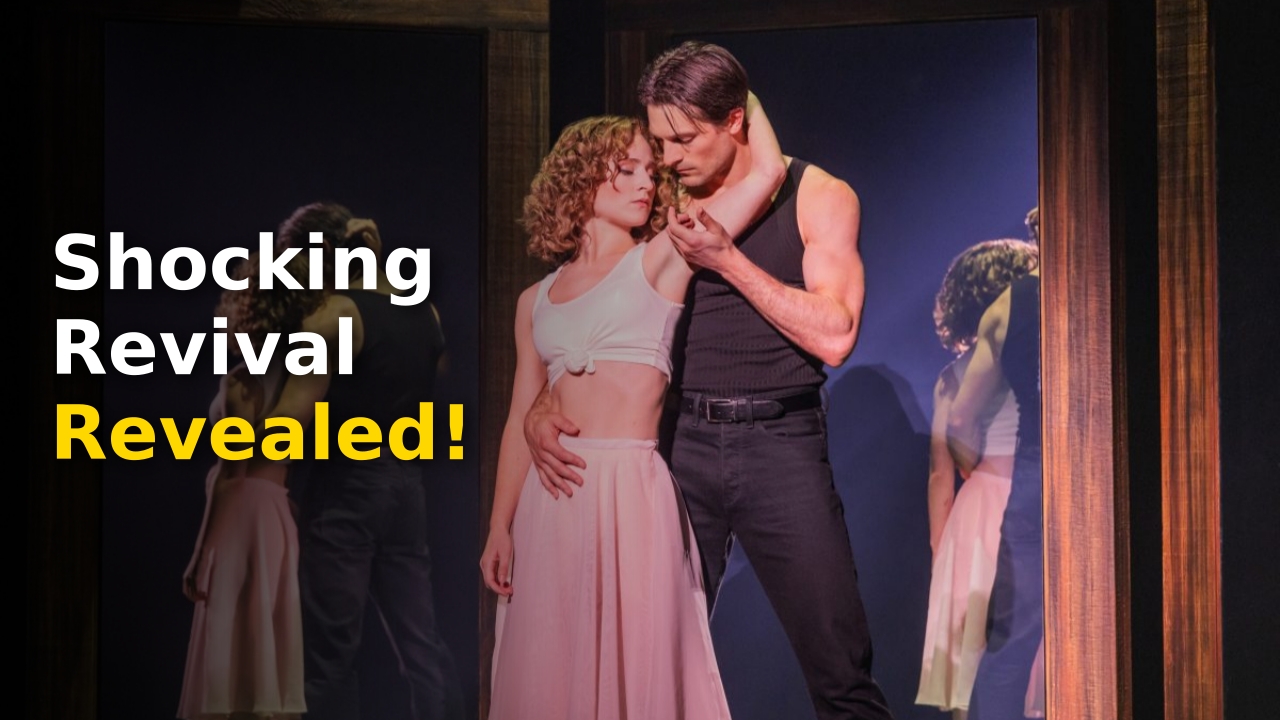
| Cast Excellence: Blake Zelesnikar and Annalese Starzec lead a company prioritized for dance talent. |
| Box Office Potential: Industry analysts suggest a limited Broadway run could mirror Mamma Mia! success. |
If you have ever doubted that Dirty Dancing The Musical could transcend its reputation as a shallow cash grab, the latest touring production at the Nederlander Theatre is here to prove you wrong. Director Lonny Price has successfully rehabilitated a title that was once defined by flickering fireplace screens and cheap aesthetics, delivering a surprisingly elegant experience. For long-time fans and theatergoers alike, this iteration feels like the first time the story has been treated with legitimate artistic weight.
The production currently making its rounds in Chicago captures the nostalgic pull of the 1987 blockbuster while injecting a modern, sophisticated edge that defies low expectations. By casting performers who prioritize dance technique over traditional musical theater tropes, the creative team has finally aligned the stage production with the kinetic energy that made the original film a global phenomenon. You are watching a transformation of a property that has finally found its rhythm.
Refining Dirty Dancing The Musical
For nearly two decades, the stage version of this story struggled to find its identity in the American theater market. Early iterations were often criticized for relying on hollow nostalgia, failing to bridge the gap between cinematic iconography and live stagecraft. However, the current tour changes the narrative by stripping away the gimmicks that plagued its predecessors. Brett J. Banakis’s set design acts as a crucial anchor, offering a visually stunning, cliche-averse interpretation of the Catskills that feels grounded and real.
A major turning point for the show is the integration of more diverse musical textures. By moving away from the condescending treatment of the resort’s “upstairs” music, the show now incorporates classics from the American songbook, including “Fly Me to the Moon.” This change allows the characters to breathe in a way they never could before, providing context to the culture of the Kellerman’s resort. It turns a simple plot into a fully realized theatrical world.

The commitment to authenticity extends to the performance of Bryan Fenkart, who channels the spirit of the late Jerry Orbach. His portrayal of Jake Houseman is one of the production’s most moving elements, serving as a bridge between the classic film we remember and the new stage reality we are seeing. It is this attention to emotional detail, rather than just hitting familiar plot beats, that elevates the production value of the current tour.
Why Choreography Changes Everything
Darrell Grand Moultrie, widely recognized for his work with Beyoncé, has fundamentally restructured how the show moves. Instead of focusing on mimicry, Moultrie leans into the physical demands of mid-century social dancing. The result is a series of sequences that feel spontaneous yet technically rigorous, highlighting the intense sexual tension that lies at the core of the film’s narrative.
- Increased Technical Demand: Performers are cast primarily for their ability to execute complex dance numbers rather than purely vocal prowess.
- Authentic Period Movement: The choreography stays rooted in the specific social dances of the 1960s.
- Sexual Tension: The movement underscores the forbidden nature of the staff quarters, heightening the drama of the storyline.
Performance Analysis By The Numbers
The success of the current Dirty Dancing The Musical run is best quantified by its strategic approach to casting and production logistics. By bifurcating the roles of vocalists and dancers, the production maximizes the individual strengths of its cast, ensuring that the heavy lifting of the choreography is done by professionals with extensive backgrounds in dance. The following table highlights the strategic shifts that distinguish this iteration from previous tours.
| Production Element | Former Strategy | 2026 Tour Strategy |
|---|---|---|
| Choreography | Film Mimicry | Professional Technique |
| Vocal Bifurcation | Actors Sing & Dance | Specialized Dancers & Singers |
| Set Design | Low-res Video | Elegant/Cliche-averse |
The Cultural Legacy and Future Outlook
The enduring popularity of this story remains an anomaly in the entertainment industry. Despite critical hesitation, audiences continue to flock to the theater because the story taps into a specific type of cultural memory. As noted by the Chicago Tribune’s arts coverage, the production is proving that even “pure gold” nostalgia can be improved when handled with respect. Industry watchers are already speculating on the show’s potential for a Broadway residency. Similar to the Mamma Mia! theater model, this show has the specific brand awareness needed to sustain a long-term commercial run in a competitive market.
However, the show is not without its limitations. The script, authored by Eleanor Bergstein, remains tethered to the original film’s structure. While Price has done a marvelous job polishing the delivery, there is a clear opportunity for a fresh take on the dialogue itself. A junior partner in the creative process could potentially unlock even more theatrical assets, pushing the play beyond a mere adaptation of the film and into the realm of a standalone classic.
People Also Ask
What changed in the 2026 touring production?
The 2026 tour features elevated choreography by Darrell Grand Moultrie and a more sophisticated set design by Brett J. Banakis. The show also separates vocal and dance roles to ensure higher performance quality.
Who are the lead actors in this version?
The production stars Blake Zelesnikar as Johnny, Olivia Cece as Penny, and newcomer Annalese Starzec as Baby, who has been noted for her physical resemblance to the original film’s star.
Is this show a cash grab or quality theater?
While early versions were often criticized as uninspired, critics have cited the 2026 tour as a dignified and impressive rehabilitation of the source material.
Where can I buy tickets for the Chicago run?
Tickets for the production at the Nederlander Theatre can be purchased through Broadway In Chicago or by calling their ticketing office.
Final Reflections on the Production
Ultimately, the Dirty Dancing The Musical tour manages to achieve what once seemed impossible: it provides a high-quality experience that respects both the fans of the 1987 movie and the standards of the modern stage. By focusing on raw talent, technical dance ability, and a dignified approach to the script, Lonny Price has successfully saved this story from the bargain bin of musical theater history. For those who find themselves asking, “Is it worth it?”, the answer is a resounding, “Yes, baby.”
More Like This
For more updates, check out our latest entertainment and sports news.