
Key Takeaways
| The witching hour is not determined by a clock but by the specific number of early-window games reaching one-possession status. |
| Scott Hanson works in tandem with producer Todd Mossburg to synchronize the broadcast with live game action like air traffic control. |
| Director Dustin Stern plays a critical role in managing the logistical offramps to ensure fans never miss a high-leverage moment. |
| Recent distribution changes following the ESPN acquisition will result in fewer commercial interruptions during the broadcast. |
You have likely spent countless autumn Sundays glued to the screen as NFL RedZone witching hour chaos erupts, but the true orchestration behind the curtain is far more calculated than you think. While fans view the transition as a spontaneous burst of excitement, host Scott Hanson recently pulled back the veil, revealing that the most electrifying hour in sports is a masterclass in broadcast logistics. To master the rhythm of a multi-game Sunday, the production team operates with the precision of ground control at a major international airport.
For the uninitiated, the NFL RedZone witching hour represents that sacred window when early-game matchups reach their boiling point simultaneously. It is the moment when definitive outcomes shift from certainties to heart-stopping nail-biters. As Hanson explained, the decision to signal this transition is never based on arbitrary wristwatch timing. Instead, it relies on a sophisticated internal algorithm designed to maximize high-leverage football moments for the viewer.
Mastering the NFL RedZone Witching Hour
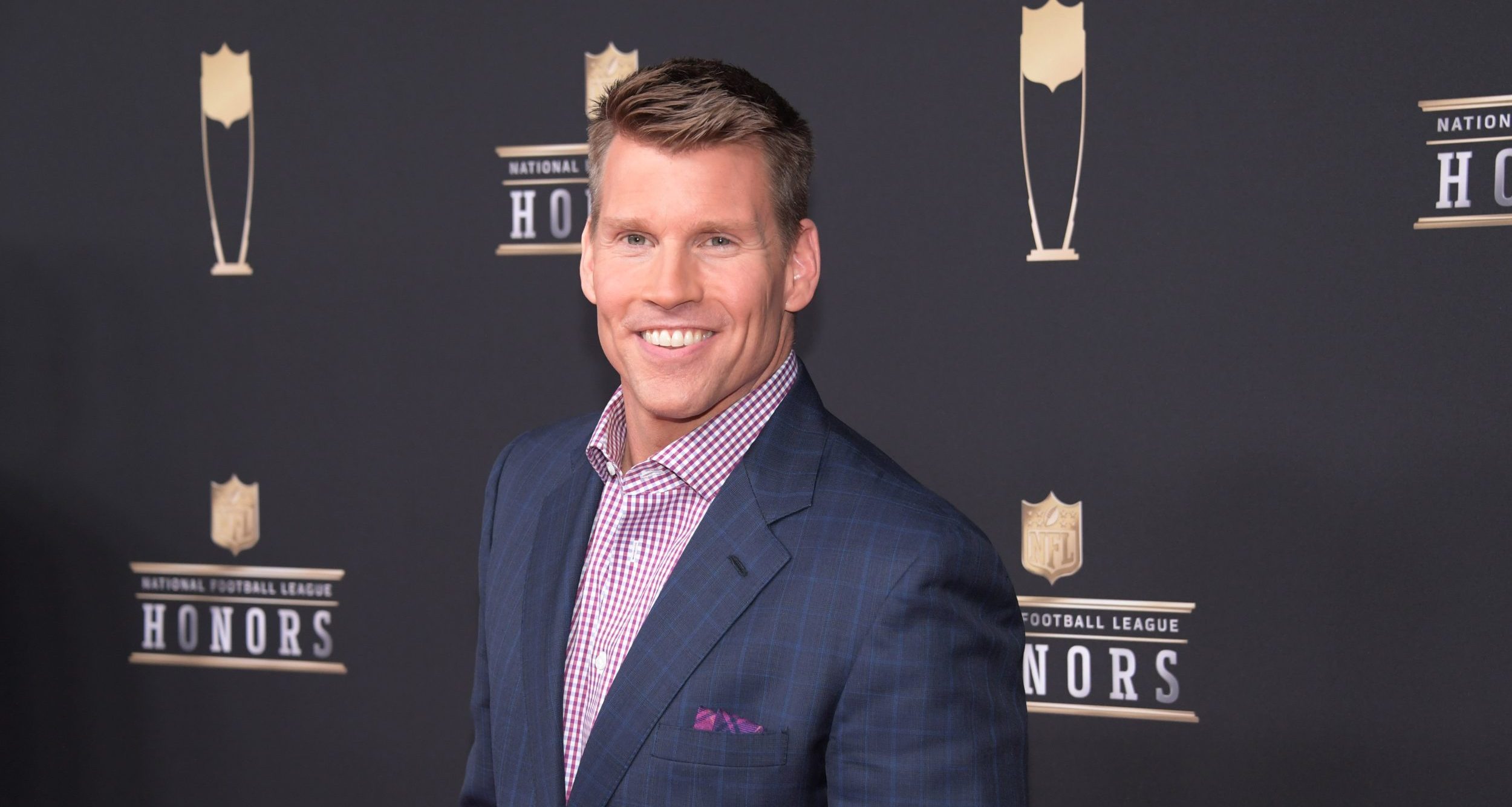
The secret formula involves a high-stakes assessment of the ongoing early window. If there are eight concurrent games, Hanson and his veteran producer, Todd Mossburg, constantly monitor the scoreboard for specific triggers. The threshold for initiating the madness usually begins when roughly half of the active games reach either the fourth quarter or a critical end-of-third-quarter commercial break.
Hanson notes that the goal is not just to identify the moment, but to execute a seamless, high-intensity broadcast pivot. By aligning the narrative of one-possession games across various locations—from Detroit to Kansas City—the team creates a sustained crescendo of tension. This requires the team to predict game flow before the viewers even realize a momentum shift is occurring on the gridiron.
This level of dedication to the viewer experience has made NFL RedZone a cultural staple for the modern football fan. By maintaining a high-octane broadcast style, Hanson ensures that the transition between windows feels like a natural evolution of the sport. It is this commitment to quality that consistently drives engagement for official league media properties.
The Air Traffic Control Mentality
Directing this chaos requires a unique synergy between the host and the production booth. Dustin Stern, the show’s director, acts as the primary orchestrator, managing the “offramps” for each segment. Every cut to a specific game is an exercise in timing, ensuring the viewer stays anchored to the most significant action without losing the broader context of the Sunday slate.
The production team views their role as protecting the sanctity of the game’s climax. They understand that when fans tune in, they expect a curated experience that filters out the noise. This professional rigor is what separates Scott Hanson and his crew from standard play-by-play coverage. Their work continues to influence how major sports networks approach live, multi-game broadcasting.
Broadcast Statistics and Operational Data
| Metric | Broadcast Operational Focus |
|---|---|
| Decision Trigger | 50% of games in 4th Quarter/Late 3rd |
| Primary Objective | Capturing one-possession finishes |
| Production Style | Live Air Traffic Control orchestration |
| Viewer Experience | Reduced ad frequency in 2026 |

Background and Production Evolution
The NFL RedZone experience is constantly evolving alongside the digital media landscape. As the league grows its global footprint, the demand for non-stop, high-stakes coverage has forced production teams to innovate faster than ever. Historically, pre-broadcast planning was rigid, but today, the ability to pivot on the fly is the ultimate competitive advantage.
Industry experts emphasize that this flexibility is crucial for long-term retention. By leaning into the unpredictability of the sport, the production team fosters a sense of urgency that is difficult to replicate in traditional episodic television. This strategy aligns perfectly with the preferences of the modern, distracted consumer who demands constant, high-value content.
For those interested in the evolution of digital broadcasting, it is clear that NFL RedZone serves as the industry gold standard. The move toward fewer ad interruptions, following the recent shift in distribution rights, signals a broader pivot toward prioritizing the core viewer’s deep immersion. This focus on content quality over raw commercial density is a strategic masterstroke.
People Also Ask
What defines the start of the NFL RedZone witching hour?
The witching hour begins when approximately half of the early-window games reach the fourth quarter or are nearing the end of the third-quarter commercial break. It is triggered by the number of high-stakes, one-possession games occurring simultaneously.
Why is Scott Hanson trending for his comments on the witching hour?
Hanson is trending because he publicly revealed the behind-the-scenes logistical formula used by his team to coordinate the broadcast. He likened the production process to air traffic control, providing fans a rare look at how the chaos is managed.
How does the ESPN acquisition affect NFL RedZone broadcasts?
Following the acquisition of distribution rights, the production team has successfully reduced the frequency of commercial breaks. This change is designed to improve the viewing experience for fans during the most critical moments of the season.
Who are the key staff members behind the NFL RedZone success?
The show relies on a core team including host Scott Hanson, producer Todd Mossburg, and director Dustin Stern. Together, they synchronize the broadcast flow to ensure viewers capture every defining moment of the NFL Sunday.
The Future of Sunday Football
As we move deeper into the 2026 season, the NFL RedZone witching hour remains the undisputed peak of sports consumption. It is a testament to the fact that when technology meets genuine passion, the result is nothing short of legendary. Whether you are a casual observer or a football sicko, understanding the mechanics behind the broadcast only deepens the appreciation for the craft.
Hanson’s openness about his process invites viewers into the fraternity of the production booth. It bridges the gap between the screen and the reality of the game, cementing his status as one of the most respected figures in modern sports journalism. You can expect the intensity to reach even higher levels as the season progresses and the playoff picture begins to take shape across the league. Check out more analysis on sports media trends as we continue to track the evolution of the Sunday experience.
More Like This
For more updates, check out our latest entertainment and sports news.