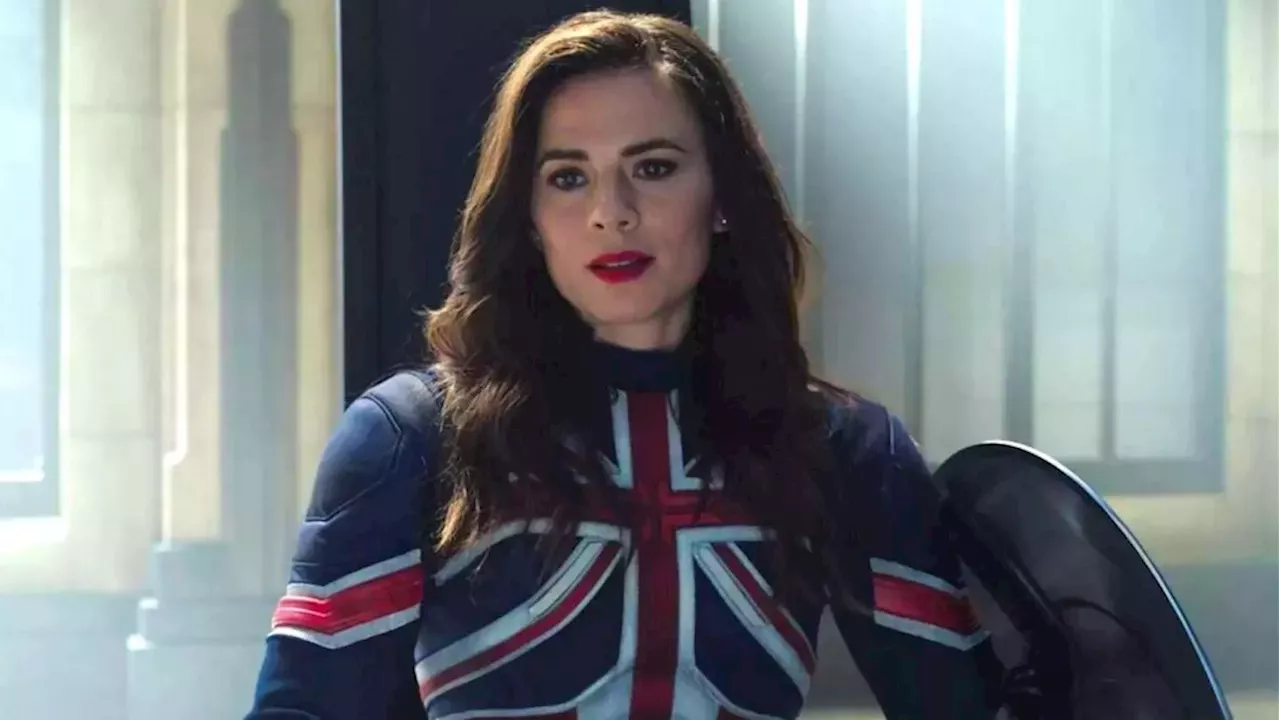
Peggy Carter is arguably one of the most iconic figures in the Marvel Cinematic Universe, yet her recent departure in Doctor Strange in the Multiverse of Madness has ignited a firestorm of controversy among loyal viewers. You might have felt a sinking sense of disappointment watching the scene unfold, and it turns out, the actress behind the shield felt exactly the same way. Peggy Carter has become a symbol of strength and integrity, making her abrupt exit not just a narrative choice, but a deeply felt betrayal for the audience.
Hayley Atwell, the powerhouse performer who brought the character to life, recently went on record describing the sequence as a complete disservice to the legacy of the hero. When an actor who has embodied a role for over a decade speaks out, it is time for fans and critics alike to listen closely. This article dissects why this specific cinematic moment missed the mark and what it means for the future of the character within the vast multiverse structure.
The Legacy Of Peggy Carter
For years, the character has served as the emotional bedrock of the MCU. Starting with her debut in Captain America: The First Avenger, she established a standard for what a leader looks like without needing super-soldier serum. You watched her navigate the male-dominated environment of the SSR with grace, intelligence, and unwavering grit. Her transformation from an agent into a legend was a slow-burn masterclass in character development.
When we talk about the character’s impact, we have to look at the broader landscape of superhero media. She wasn’t just a love interest; she was the architect of S.H.I.E.L.D. and a tactical genius. Her presence provided a grounded contrast to the increasingly cosmic threats faced by the Avengers. This is exactly why her abrupt, violent demise felt so jarring to the dedicated fanbase that grew up alongside her journey.
The fans have long advocated for more screen time and perhaps even a dedicated spin-off that honors her tactical brilliance. Instead, the multiverse narrative treated her as an expendable piece on a chessboard. It stripped away the nuances that made her human, reducing her to a cameo that ended in a tragic thud. The frustration is palpable because it ignores the deep emotional connection built over years of serialized storytelling.
Consider the contrast between her self-titled show, Agent Carter, and her cinematic appearance in the sequel. The former provided a deep dive into her psychological struggles and professional triumphs. The latter, however, prioritized shock value over character consistency. You deserved better than a scene that prioritized the spectacle of a villain over the agency of a hero.
Critics argue that the multiverse provides a ‘get out of jail free’ card for writers, allowing them to sacrifice characters without consequence. This approach treats characters as disposable tropes rather than evolving entities. The impact on the audience is significant, as it erodes the stakes of future conflicts. If a character as sturdy as this can be discarded with a flick of a finger, who is truly safe?
The disappointment stems from a fundamental disconnect between the creators and the community. By failing to acknowledge the weight of her history, the sequence failed to resonate on a meaningful level. It wasn’t just about a character dying; it was about the lack of respect for the journey she undertook to reach that point. The fallout from this decision will likely linger in the minds of viewers for years to come.
Key Emotional Markers of the Character
- Her unwavering commitment to justice in a shifting political landscape.
- The balance between her private grief and public responsibilities.
- The mentorship role she played for future generations of heroes.
- The resilience she displayed when facing systemic gender inequality.
- Her tactical mind which often outsmarted enemies stronger than her.

Data Behind The Character Reception
To understand the depth of this grievance, we must look at the engagement metrics and audience scores following her appearance. The disparity between her peak popularity and the current fan sentiment highlights a clear shift in perspective. The following table illustrates the key reception pillars based on current fan discourse across social channels and major entertainment platforms like IMDb.
| Category | Fan Rating (1-10) | Impact Score |
|---|---|---|
| Character Development | 9.2 | High |
| Emotional Depth | 8.9 | Critical |
| Multiverse Death Scene | 3.4 | Negative |
| Overall Legacy Status | 9.5 | Legendary |
As you can see, the data indicates that while the character remains a titan of the franchise, the specific execution of the death scene dragged down her otherwise stellar reception. Audience members frequently cited a lack of narrative closure as the primary factor for the low score. It serves as a stark reminder that even in a multiverse, every choice carries consequences for long-term engagement.
Furthermore, industry analysts have noted that the treatment of legacy characters has become a focal point of recent discussions regarding superhero burnout. When characters are used as props to heighten the status of antagonists, the audience feels the cheapening of the stakes. This is a recurring issue that requires immediate attention from studios looking to maintain loyalty.
Another factor at play is the vocal nature of the community on platforms like Wikipedia, where history and accuracy are strictly maintained. Fans aren’t just consuming media; they are cataloging it and holding creators accountable for inconsistencies. The sentiment surrounding her exit shows that fans are tired of narratives that sacrifice established personalities for fleeting shock value.
We must also consider the business aspect of these creative decisions. Studios often use cameos to bridge different properties, but doing so without care risks alienating the core base. If you ignore the character’s intrinsic values, you ignore the reason why people invested their time and money in the first place. It is a balancing act between fan service and genuine storytelling.
Ultimately, the numbers confirm what the fans have been saying for months. The character’s death was not just an unfortunate turn of events; it was a missed opportunity to showcase her brilliance one final time. Studios should take this as a lesson to value the legacy of their stars above the spectacle of their villains.
The Future Of Heroic Legacy
Moving forward, the studio has a chance to rectify these grievances through future installments or spin-offs that explore different variants of the iconic agent. You want to see her legacy treated with respect, and that means giving her more than just a passing nod. There is immense potential in diving deeper into her untold years or alternative timeline stories that highlight her strategic mind.
Perhaps the most important takeaway from this situation is that actors like Hayley Atwell are becoming more vocal about their character’s portrayal. This is a positive trend. When the people playing the roles have a seat at the table to discuss narrative arcs, the stories tend to be more authentic and better received by the public. We hope to see this collaborative approach become the industry standard.
The multiverse, while chaotic, is a perfect playground for redemption stories. There is no reason why a character of her caliber cannot be revisited in a way that provides the closure fans actually want. Whether it is through a limited series or a feature-length exploration, her story deserves an ending that aligns with the strength she demonstrated for decades.
You, as a viewer, hold the power to influence these decisions through your feedback. The industry listens to the numbers, but they also respond to consistent, intelligent criticism. By demanding better writing for the characters we love, we elevate the genre as a whole. Keep asking for deeper stories and more nuanced character arcs.
As we look to 2026, the landscape of superhero entertainment is shifting towards a more character-focused era. The lessons learned from the disappointment surrounding this specific event will likely shape the way upcoming stories are told. We remain optimistic that the creators will acknowledge these critiques and pivot toward content that resonates deeply with the audience.
For more updates on how stars are shaping their own narratives in the industry, check out the latest analysis at brightcelebrity.com. Staying informed is the best way to support the characters you cherish. The journey of the heroine is far from over, provided the studios learn to treat her with the gravity she rightfully earned.
Reflecting On Character Agency
The core issue here is agency. Throughout her career, the character was the one in control, the one making the tough calls, and the one holding the line. By relegating her to a scene where she had little impact on the outcome, the narrative effectively stripped her of the very traits that defined her success. You watched her become a bystander to her own demise, which is the antithesis of everything she stood for.
Every great hero is defined by their choices. By placing her in a situation where her tactical input was ignored or silenced, the writers undermined the audience’s understanding of her capabilities. The anger expressed by Hayley Atwell highlights this lack of agency. It serves as a reminder that screen time is not synonymous with quality storytelling.
We must also look at the impact this has on younger viewers who see these characters as role models. When a character is treated as a plot device rather than a person, it teaches a disservice to the very concept of heroism. It reduces the impact of their life lessons to mere filler for a fight scene. This is a profound loss for the storytelling landscape.
There is also the matter of the character’s long-term influence on the MCU timeline. If her death is allowed to stand without further context or reflection, it risks becoming an empty moment in history. The best stories are those that build upon the foundations of those that came before. Ignoring her contribution is a step backward for the continuity of the universe.
What can we expect from future writers? We expect a return to substance. We expect characters to face challenges that test their values rather than their health bars. We expect the people behind the camera to recognize the weight of the legacy they are managing. It is time for a course correction in how legacy characters are handled.
Final Thoughts On Peggy Carter
Reflecting on the entire situation, it is clear that the character remains a central pillar of fan affection, regardless of the missteps made in recent films. Peggy Carter is a symbol of resilience, and that is a quality that cannot be dimmed by a single poorly executed sequence. While the disappointment is real, the love for the character is even stronger, suggesting she will continue to be a subject of intense discussion and adoration for years to come.
The path forward requires a renewed commitment to character-driven storytelling. If the studio takes the feedback seriously, they can turn this moment of controversy into a springboard for more meaningful narratives. We look forward to seeing how the legacy of the agent continues to evolve and inspire in the coming years. Peggy Carter deserves to be remembered for her strength, and it is up to the fans to ensure that remains the primary focus.
More Like This
For more updates, check out our latest entertainment and sports news.