Key Takeaways
| Carol Hamilton spent 40 years as a foundational force at L’Oréal Paris. |
| She currently serves as Chair of CEW and holds key board positions at Pura and Patrick Ta. |
| Hamilton emphasizes that the lack of intentional sponsorship is stalling female CEO progress. |
| She advocates for women to move away from perfectionism to achieve rapid career advancement. |
The Carol Hamilton gender equality crusade is officially shifting the paradigm for executive leadership in the beauty industry and beyond. After a storied four-decade tenure that saw her transform L’Oréal Paris into the world’s most dominant beauty juggernaut, Hamilton is proving that retirement is merely a transition toward higher-impact advocacy. You might recognize her name from the boardrooms of the world’s most innovative brands, but her current focus is dismantling the systemic barriers that prevent women from securing the corner office.
As she steps into her role as the new chair of CEW, Hamilton brings a refreshing, no-nonsense approach to the corporate glass ceiling. Her strategy relies on data, human connection, and a relentless commitment to sponsorship—not just mentorship. For those of you navigating the complexities of the modern workforce, her trajectory offers a masterclass in staying relevant in a landscape that rewards curiosity over comfort.
Understanding the Carol Hamilton Gender Equality Mission
Hamilton views the current corporate stagnation for female leaders as a critical failure of sponsorship mechanisms. In a market where male-to-male networks remain the default, the lack of intentional support structures for women creates a disadvantage that talent alone cannot overcome. She argues that women are often held to an impossible standard of perfection, where a single political error acts as a disqualifier—a dynamic she is actively working to dismantle through her work with the Harvard Women’s Leadership Board.

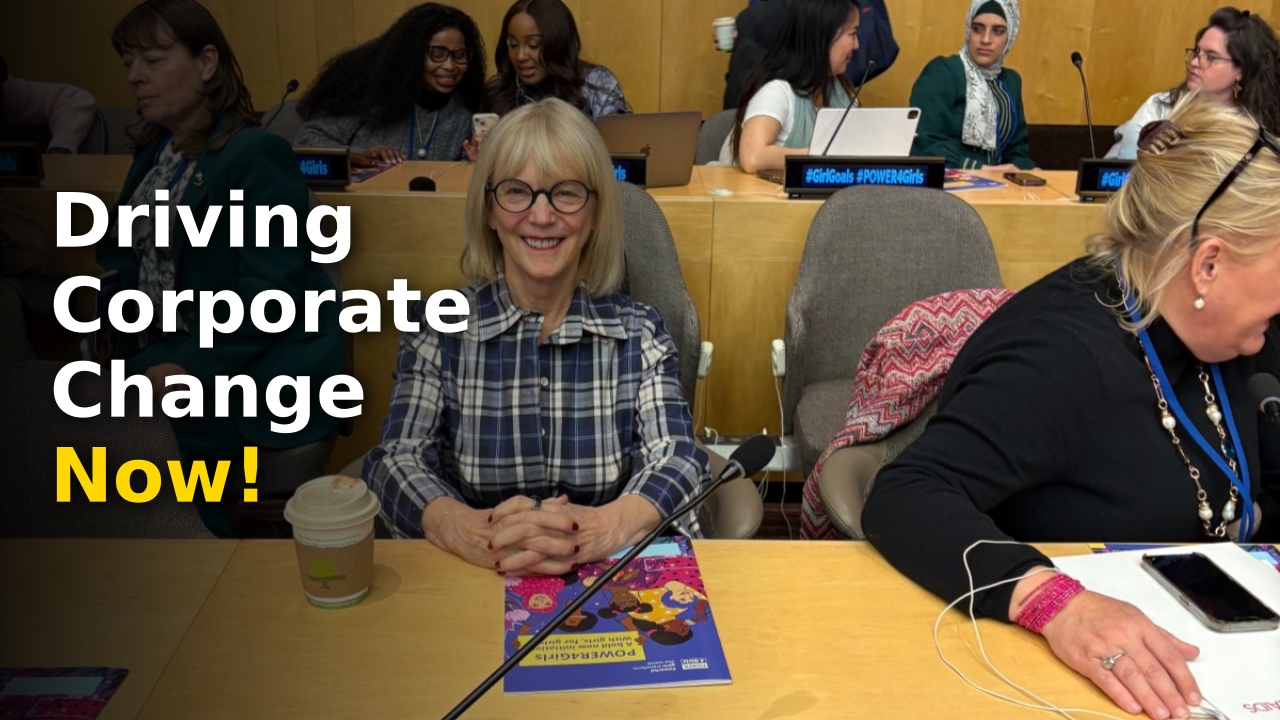
The beauty industry, while visually driven, serves as a microcosm for broader corporate challenges. By bridging her influence at companies like Kayali and Pura with her global philanthropic efforts, such as UNICEF’s Power4Girls, Hamilton is creating a unified front. She believes that the visual confidence beauty provides is a fundamental right, and she is using that platform to demand more from the stakeholders who continue to appoint male candidates to leadership roles despite highly qualified female alternatives being available.
Curiosity remains her guiding star. Her 40-year career survival strategy was simple yet elusive: constant learning through travel and observation. For the emerging professional, she suggests that stagnation is the primary risk to your career trajectory. If you are not reinventing your intellectual portfolio every six months, you are falling behind, especially in sectors as fast-moving as retail and personal care.
The Data Behind Female Leadership Stagnation
The numbers regarding female executive representation continue to frustrate industry observers. Despite the proven ROI of gender-diverse leadership teams, internal cultural norms often force women into a consensus-driven decision-making model that delays results compared to traditional, directive approaches. The following table highlights the core areas Hamilton identifies as major hurdles in the current business landscape:
| Barrier to Equality | Hamilton’s Observation |
|---|---|
| Sponsorship | Lack of high-level female-to-female support systems |
| Perfectionism | Women apply only when fully qualified |
| Decision Making | Reliance on consensus-building slows agility |
| Candidate Bias | Male candidates favored in CEO appointment cycles |
Expert Take: Why Sponsorship Trumps Mentorship
From an expert leadership perspective, the distinction between a mentor and a sponsor is the difference between advice and advocacy. While a mentor talks to you, a sponsor talks about you behind closed doors where the real decisions happen. Hamilton highlights that most men have long-established networks that function as aggressive advocacy groups in the boardroom. Women often miss out because their networks, while supportive, lack the specific political weight required to push a candidate across the finish line when competition is tight.
Background and Strategic Vision
Hamilton’s rise to prominence at L’Oréal was marked by record-breaking profitability in the Luxe division. She was not just an executive; she was an architect who understood the connection between global consumer trends and the founder community. Her recent career transition details demonstrate that she is not slowing down but rather shifting her influence to organizations where she can effect the most change. Her role at CEW is the latest step in that evolution.
Defining a New Career Path
For those looking to replicate her success, she offers a blunt piece of advice: launch a campaign for your own promotion. Do not wait for the opportunity to be presented; ask clearly what barriers exist, identify your milestones, and find a sponsor who will hold you accountable. This is the difference between a high-performing employee and a future CEO.
People Also Ask
How is the Carol Hamilton gender equality initiative changing the beauty industry?
Hamilton is using her influence as chair of CEW and board member of major beauty brands to standardize support for women through active sponsorship and skill-building programs.
Why does Carol Hamilton believe women face a perfection complex?
She notes that data shows women wait until they feel overqualified to apply for roles, whereas men are often willing to apply with only partial qualifications, leading to a disparity in career progression.
What is the main difference between male and female networking according to Hamilton?
Hamilton highlights that men historically form deeper-rooted, long-term sponsorship connections, whereas women often lack the equivalent political muscle within established, male-dominated boards.
What does Carol Hamilton suggest for women climbing the corporate ladder?
She advises women to launch a formal campaign for their next role, to be vocal about their ambitions, and to secure a dedicated sponsor who can navigate board-level decisions on their behalf.
Final Thoughts on Industry Progress
The journey toward true gender equality remains a long, arduous process, but leaders like Carol Hamilton are refusing to accept the status quo. By emphasizing the need for proactive sponsorship and the rejection of the perfection complex, she is providing a blueprint for the next generation of female executives. Whether through her work with UNICEF or her direct involvement in the beauty business ecosystem, her focus on tangible progress serves as a stark reminder that if we want to change the boardroom, we must first change the way we advocate for our own success. The future of corporate leadership depends on it.
More Like This
For more updates, check out our latest entertainment and sports news.