Key Takeaways
| Elite Dealmakers: Vennette Ho, Sasha Radic, Nadia Pelaez, and Fei-Fei Zhang control multi-billion-dollar beauty transactions. |
| Market Shift: The 2026 landscape has pivoted strictly to need-to-have acquisitions, portfolio pruning, and aggressive private equity carve-outs. |
| Major Precedents: High-profile exits include Charlotte Tilbury to Puig, Paula’s Choice to Unilever, and Olaplex’s landmark IPO. |
| Strategic Outlook: Female leadership provides an organic analytical moat in consumer categories primarily purchased by women. |
You might think Wall Street’s corner offices remain an impenetrable boys’ club, but the fast-paced world of beauty banking tells a radically different story. Over the past decade, female managing directors have rewritten the rules of high-stakes mergers and acquisitions across the global cosmetics, skincare, and wellness sectors. From mega-buyouts to game-changing public offerings, these executives spearhead the most lucrative transactions reshaping our consumer economy.
The market for cosmetics, premium hair care, and dermatological formulations has never faced higher scrutiny. Strategic conglomerates like Unilever, Procter & Gamble, and L’Oréal are aggressively rationalizing their assets, abandoning nice-to-have brands in pursuit of cash-flow powerhouses. Navigating this volatile environment requires analytical firepower, operational empathy, and deep industry foresight.
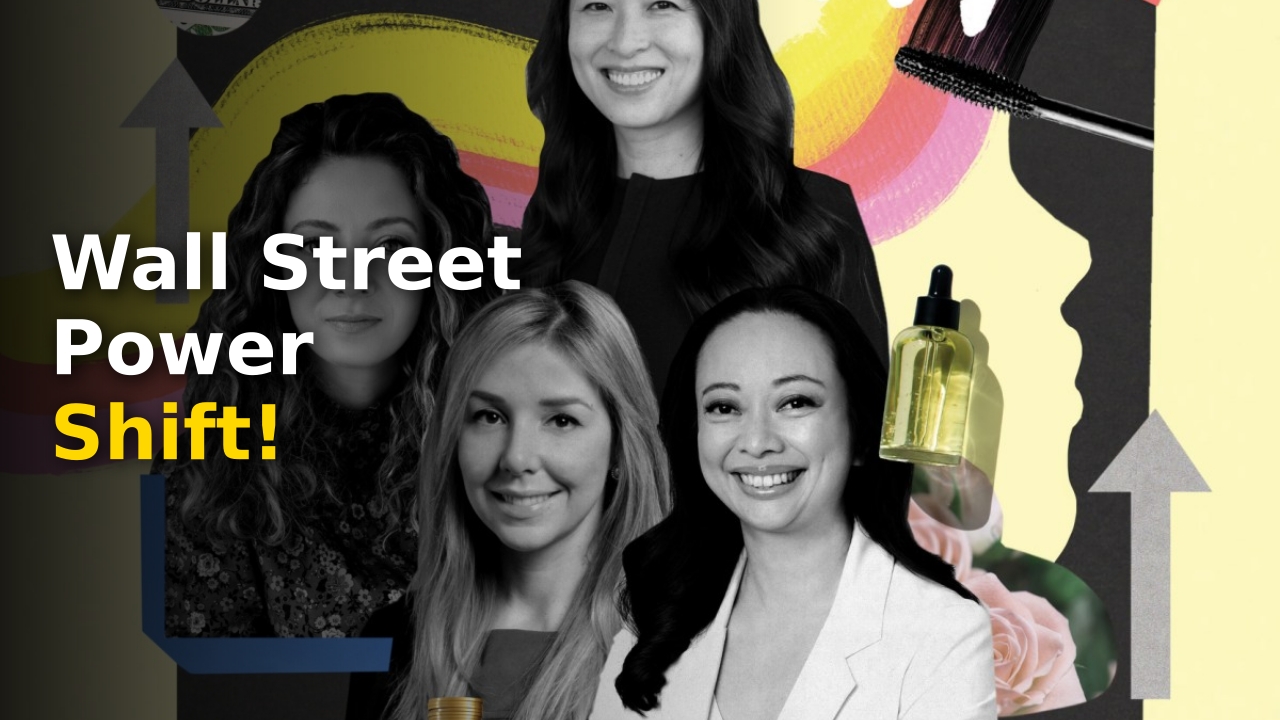
Four powerhouse investment bankers—Vennette Ho of Raymond James, Sasha Radic of Jefferies, Nadia Pelaez of Ardea Partners, and Fei-Fei Zhang of JPMorgan—now sit squarely at the epicenter of this financial renaissance. Their career paths demonstrate how non-traditional backgrounds, rigorous financial discipline, and a deep understanding of consumer culture can conquer investment banking.
The Leaders Reshaping Beauty Banking Dealscapes
The rise of specialized beauty banking desks marks a permanent transition away from generalized retail advisory services. For decades, consumer products were treated as monolithic corporate segments where lipsticks and packaged dry foods were evaluated through identical underwriting lenses. Today, modern financial advisory requires specialized technical expertise in social sentiment, ingredient chemistry, and omni-channel customer acquisition costs.
Vennette Ho, the global head of beauty and personal care at Raymond James, transformed the discipline by blending retail operations with pure finance. After graduating from Brown University with an American history degree, Ho cut her teeth at Bloomingdale’s as an assistant buyer before pursuing Columbia Business School. Her deep-rooted retail instincts led to foundational sell-side mandates, including Unilever’s acquisitions of Paula’s Choice and Tatcha, Shiseido’s purchase of Drunk Elephant, and Wella securing Briogeo.
At Jefferies, Managing Director Sasha Radic pioneered landmark transactions across prestige beauty, including the high-profile sale of Charlotte Tilbury to Puig, Ouai to Procter & Gamble, Nutrafol to Unilever, and Chantecaille to Beiersdorf. Radic leveraged her mathematical background from Brandeis University into a long-tenured powerhouse franchise at Jefferies, demonstrating how quantitative precision unlocks multi-billion-dollar creator-led enterprise values.
Simultaneously, JPMorgan’s North American practice thrives under Fei-Fei Zhang, an NYU Stern graduate who rose from summer intern to managing director while guiding complex public market maneuvers like Olaplex’s initial public offering and Waldencast’s unique multi-brand acquisition of Milk Makeup and Obagi. Alongside Ardea Partners’ Nadia Pelaez—who brings nearly two decades of international cross-border advisory experience from Paris and New York—these elite operators manage the transaction flow driving consumer capitalism, as analyzed regularly across leading business publications such as Forbes business reporting.

Insider Pathways to Wall Street Leadership
- Liberal Arts and Merchandising Segues: Non-linear routes like merchandising desks and applied mathematics often outperform traditional finance degrees in capturing consumer product nuances.
- Long-Term Institutional Loyalty: Decades spent climbing through single institutions like Jefferies and JPMorgan foster immense institutional leverage and unmatched client trust.
- Global Cross-Border Immersion: Hands-on experience in European leverage finance hubs offers an essential operational edge when structuring cross-border cosmetics mergers.
Valuation Metrics Defining Modern M&A
Transaction dynamics inside consumer advisory have radically decoupled from historical multiples. While venture-backed brands previously commanded double-digit revenue multiples during the liquidity surplus of 2020 and 2021, modern transactions enforce stringent EBITDA requirements and verifiable gross margins. Today, buyers demand operational discipline, clean balance sheets, and proven international scalability before submitting letters of intent.
The table below breaks down the landmark transactions executed across the cosmetics, clinical skincare, and wellness sectors by top female-led banking practices, highlighting acquirers, valuations, and key strategic catalysts.
| Target Brand | Lead Banker / Firm | Acquiring Entity | Strategic Focus |
|---|---|---|---|
| Charlotte Tilbury | Sasha Radic (Jefferies) | Puig | Prestige Color Cosmetics |
| Paula’s Choice | Vennette Ho (Raymond James) | Unilever | Science-Backed Skincare |
| Drunk Elephant | Vennette Ho (Raymond James) | Shiseido | Clean Clinical Formulations |
| Nutrafol | Sasha Radic (Jefferies) | Unilever | Nutraceutical Hair Wellness |
| Milk Makeup & Obagi | Fei-Fei Zhang (JPMorgan) | Waldencast | Multi-Brand Platform IPO |
Navigating Male Dominated Boardrooms and Pipelines
Breaking into traditional corporate finance has long presented structural hurdles for women, yet the beauty industry represents a unique paradox. While over 80% of cosmetics and personal care consumers are female, senior investment banking ranks across major institutions historically remained overwhelmingly male. This created an intellectual disconnect during multi-million-dollar deal pitches where legacy bankers failed to grasp product stickiness, active ingredient efficacy, or social media velocity.
As these managing directors broke through, their innate understanding of the target consumer base served as a distinct analytical weapon. Recognizing repeat purchasing behaviors, shade extensions, and formulation integrity enabled female bankers to build stronger strategic theses than competitors who relied exclusively on backward-looking spreadsheet projections. You can discover more deep-dive financial analysis on high-net-worth leadership at celebrity financial profiles.
However, leading bankers like Vennette Ho maintain an uncompromising position regarding professional standards. Rather than settling for being recognized as exceptional female financiers, their objective is to be recognized universally as the finest dealmakers in the market, bar none. Delivering transformative liquidity events for founders who started independent beauty lines in home kitchens requires relentless execution that transcends gender categorization.
Simultaneously, building durable pipelines requires intentional, high-leverage mentorship across banking classes. As Radic points out, seeking advocacy exclusively from other women can accidentally limit a junior banker’s opportunities. Cross-gender sponsorship from top executives like Jefferies CEO Rich Handler has proven essential for breaking into senior advisory roles and managing marquee sell-side processes.
The Metamorphosis of Global Deal Landscapes
The contemporary transaction arena has entered what market veterans describe as a profound metamorphosis. The previous era of free liquidity fueled reckless corporate buying sprees where legacy conglomerates overpaid for venture-backed brands boasting rapid top-line growth but negative gross margins. The current landscape is strictly bifurcated, ruthlessly penalizing unprofitable operations while setting historic valuation premiums on brands that demonstrate clear pricing power, as tracked by Reuters consumer market investigations.
Strategic buyers are currently engaged in intense portfolio pruning. Multinationals are actively carving out underperforming legacy brands through divestitures to clean up their margin profiles, while simultaneously deploying capital into science-backed dermatological brands and clinical wellness lines. When corporate strategics retreat to digest previous acquisitions, private equity sponsors step into the void, creating custom roll-up platforms to build competitive conglomerates from scratch.
In this high-stakes environment, creative founder-first alignment has become the currency of success. Managing bankers must shepherd entrepreneurs through intense due diligence periods lasting six to eighteen months. The process tests personal resilience, corporate governance, and supply chain scalability. Closing dinners and multi-million-dollar wire transfers represent merely the culmination of grueling operational diagnostics.
Expert Take: The Need-to-Have Filtration Standard
Wall Street’s evaluation models have permanently evolved. Financial sponsors no longer entertain pitch decks reliant on ephemeral social media buzz or speculative international distribution agreements. Acquirers evaluate consumer brands through a strict three-pillar framework: patent-protected chemical formulations, authentic founder equity with organic consumer loyalty, and verified recurring revenue across omnichannel retailers like Sephora, Ulta, and Amazon.
Assets unable to prove repeat purchase frequency face steep discounts or abandoned sale processes. Conversely, brands checking every operational box ignite aggressive bidding wars between private equity conglomerates and global strategic giants. To explore related high-stakes industry earnings and brand valuations, check out our coverage on luxury entertainment business trends.
People Also Ask
What is beauty banking in modern investment finance?
Beauty banking is a specialized division within consumer investment banking that focuses on mergers, acquisitions, debt restructuring, and initial public offerings for cosmetics, skincare, fragrance, and wellness brands. Investment bankers guide brand founders and private equity owners through multi-million and multi-billion-dollar liquidity transactions.
Why are women dominating the beauty banking sector?
Female dealmakers bring specialized consumer product comprehension and direct user experience alongside rigorous financial modeling skills. This intuitive market knowledge provides an analytical advantage when evaluating brand stickiness, community loyalty, and product efficacy for institutional acquirers.
What major deals define current beauty mergers and acquisitions?
Landmark beauty transactions include Puig’s multi-billion-dollar acquisition of Charlotte Tilbury, Unilever purchasing Paula’s Choice and Nutrafol, Shiseido acquiring Drunk Elephant, and Olaplex completing its massive initial public offering.
How has the beauty deal landscape shifted recently?
The M&A dealscape has bifurcated, shifting from rapid top-line growth valuation multiples to strict profit and EBITDA requirements. Buyers are prioritizing scientifically backed, high-margin, need-to-have assets while corporate conglomerates actively prune underperforming legacy product lines.
The Future Horizon for Consumer Capital Markets
Looking ahead, the convergence of clinical efficacy, medical-grade wellness, and omnichannel retail platforms will continue to drive dynamic capital allocation. Far from slowing down, transactions across the beauty ecosystem are slated to expand as generational shifts alter legacy shopping behaviors. New distribution models, from TikTok Shop to targeted dermatological subscription platforms, require sophisticated financial advisory desks capable of quantifying digital-first retention dynamics.
For the elite cadre of female executives leading beauty banking, the future represents an expansive canvas of strategic advisory, cross-border corporate mergers, and founder empowerment. By fusing Wall Street analytical rigor with intimate sector literacy, these bankers have established an undeniable playbook that will influence global consumer finance for decades to come. Track the evolving financial landscapes of top entrepreneurs through our dedicated reporting at insider industry profiles.
More Like This
For more updates, check out our latest entertainment and sports news.