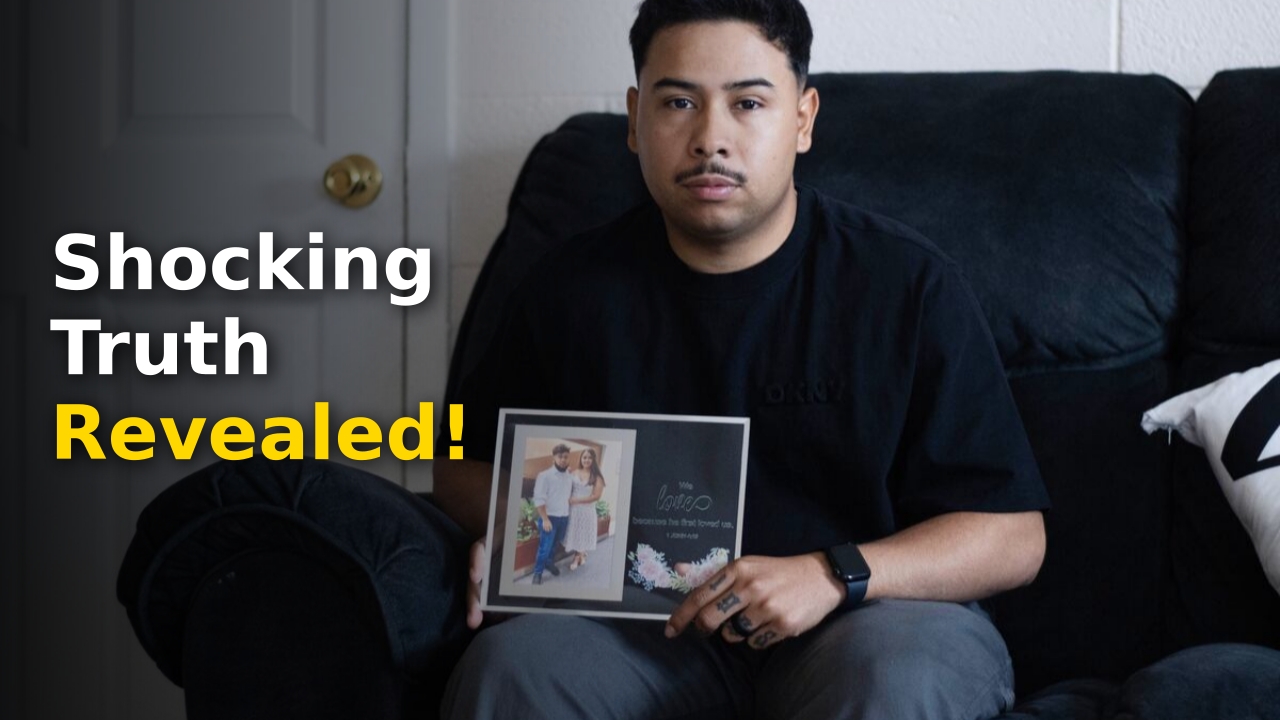
Military deportation represents an alarming new frontier in current immigration policy, leaving active-duty U.S. service members to grapple with the forced removal of their own spouses. You may find it difficult to fathom that a soldier swearing an oath to protect the American flag must simultaneously watch as his family is dismantled by federal authorities.
Cristy Maryori Villafranca-Trejo, the wife of an active-duty Army sergeant, was recently deported to Honduras, marking yet another instance where administrative rigidity has bypassed the traditional protections afforded to military families. This situation forces you to question the current support structures for those who serve on the front lines while their own households suffer from federal, bureaucratic sweeps.
The Growing Military Deportation Crisis
The case of Villafranca-Trejo is not an isolated anomaly but rather the tip of a much larger iceberg affecting families across the United States. Since the most recent shifts in immigration enforcement, the Associated Press has identified over 50 cases where immediate family members of soldiers were placed in detention. These individuals often reside in the U.S. for years, building lives and supporting the psychological well-being of their service-member spouses.
When a soldier is stationed at a post like Fort Bliss, the stability of their home life is essential for operational readiness. The sudden removal of a spouse necessitates an impossible choice: a soldier must either abandon their post or attempt to manage domestic duties while being deployed or training. For Sgt. Hedar Leonel Turcios Juarez, this choice is now a daily, crushing reality that threatens his career.
You must understand that the human cost extends far beyond the service member. Children like the couple’s six-year-old daughter are now living through a parent’s forced departure, creating deep-seated trauma that may persist for years. The emotional toll of military service is already immense, but the added burden of family separation creates a unique form of distress that undermines the soldier’s ability to maintain focus and discipline.

Bureaucratic processes often move with a cold, detached indifference to these personal tragedies. Villafranca-Trejo’s legal journey was complicated by a missed hearing she claimed never to have received notice for, a common hurdle in the labyrinthine U.S. immigration court system. Her pending appeal and application for military parole-in-place were meant to provide safety, yet these legal safeguards failed to prevent her ultimate removal.
Historical precedents under different administrations previously allowed for a more lenient approach toward military families. Former ICE officials have noted that the deportation of a spouse is a significant disruption to national defense interests. The current climate seems to prioritize strict enforcement over the traditional consideration given to those in uniform.
Advocacy and Legislative Pushback
- Congressional inquiries are now being led by representatives like Veronica Escobar.
- Legal advocacy groups are fighting to restore protections that allow families to adjust status.
- Public outcry is growing as more cases of military spouse deportation surface in media.
- Military readiness is cited as a primary reason for policy reform in D.C. corridors.
Comparative Data on Family Protections
To understand the scope of the shift in policy, we must examine how recent changes have impacted the ability of military families to remain together. The following table highlights the differences between historical standards and the current, more restrictive environment encountered by families under the administration’s new enforcement directives.
| Policy Category | Pre-2025 Standard | Post-2025 Enforcement |
|---|---|---|
| Parole-in-Place Approval | Frequently Granted | Highly Restricted |
| Family Detention | Rare/Avoided | Common Practice |
| Deportation Stays | Highly Probable | Low/Case-by-Case |
The Psychological Impact on Service Members
The psychological toll on soldiers facing these circumstances cannot be overstated. When you consider that a soldier’s primary function is to protect their country, it becomes clear why such actions by the state lead to feelings of betrayal. The erosion of trust in the government by its own military personnel is a dangerous outcome that could affect recruitment and retention metrics long-term.
Sgt. Turcios Juarez expressed uncertainty about his future, a sentiment shared by many in his position. If the military cannot guarantee that a soldier’s spouse will remain safe, the incentive to serve diminishes significantly. This issue goes beyond politics; it touches on the fundamental social contract between the state and those who volunteer to defend it. For more detailed analysis on national policies and their effects, you can visit Bright Celebrity for extended coverage on related social issues.

Family units are often the bedrock of a soldier’s stability. When that bedrock is removed, the performance of the soldier in the field often degrades. This phenomenon has been studied extensively by military sociologists, who emphasize that family stability is correlated with mission success. By ignoring these factors, current immigration enforcement may be inadvertently sabotaging the very military force it seeks to bolster.
The media has played a crucial role in bringing these stories to light, yet many cases remain hidden in the shadow of broader immigration debates. Every individual case reported, like that of Villafranca-Trejo, represents a family system that has been effectively destroyed. The lack of transparency in how DHS selects these cases for execution remains a point of contention for advocacy groups.
As you process this information, remember that the legal jargon often masks the human reality of a six-year-old child being separated from their parent. There is no simple solution to this, but the call for systemic change grows louder by the day. Protecting the families of our military personnel is not just a moral obligation; it is a strategic necessity for the health of our nation’s defense forces.
The Road Ahead for Military Families
Looking toward the future, the fate of many military families rests on upcoming judicial reviews and potential congressional intervention. There is a desperate need for a clear, standardized policy that shields the families of service members from the arbitrary nature of current detention and deportation cycles. The confusion that caused the initial failure to appear for Villafranca-Trejo is a symptom of a systemic collapse that must be addressed.
Advocacy, however, is not a guarantee of results. You might wonder if enough public pressure will shift the administration’s stance. History shows that when the public focuses on specific cases of injustice, the government is sometimes forced to reconsider its methods. Yet, for now, the status quo remains a threat to many households across military bases nationwide.
The stories emerging from these facilities in places like Camp East Montana are stark reminders of the reality of policy implementation. These are not merely statistics; they are people with lives, histories, and contributions to the American fabric. The complexity of the immigration system has become a trap for those who, in other circumstances, would be seen as model residents.
Reflecting on these events, it is clear that the interplay between national security and family security is a delicate balance. If this balance is neglected, the fallout will continue to impact the lives of brave men and women serving in our military. We must demand a more nuanced approach that respects the service and sacrifice of our soldiers while maintaining a sensible approach to border management.
Ultimately, the story of military deportation is a challenge to our collective values as a nation. It tests whether we are willing to treat those who serve us with the respect they earn in their daily duties. As this situation unfolds, keep your eyes on the legal precedents being set and the congressional actions being taken to rectify this growing tragedy.
More Like This
For more updates, check out our latest entertainment and sports news.