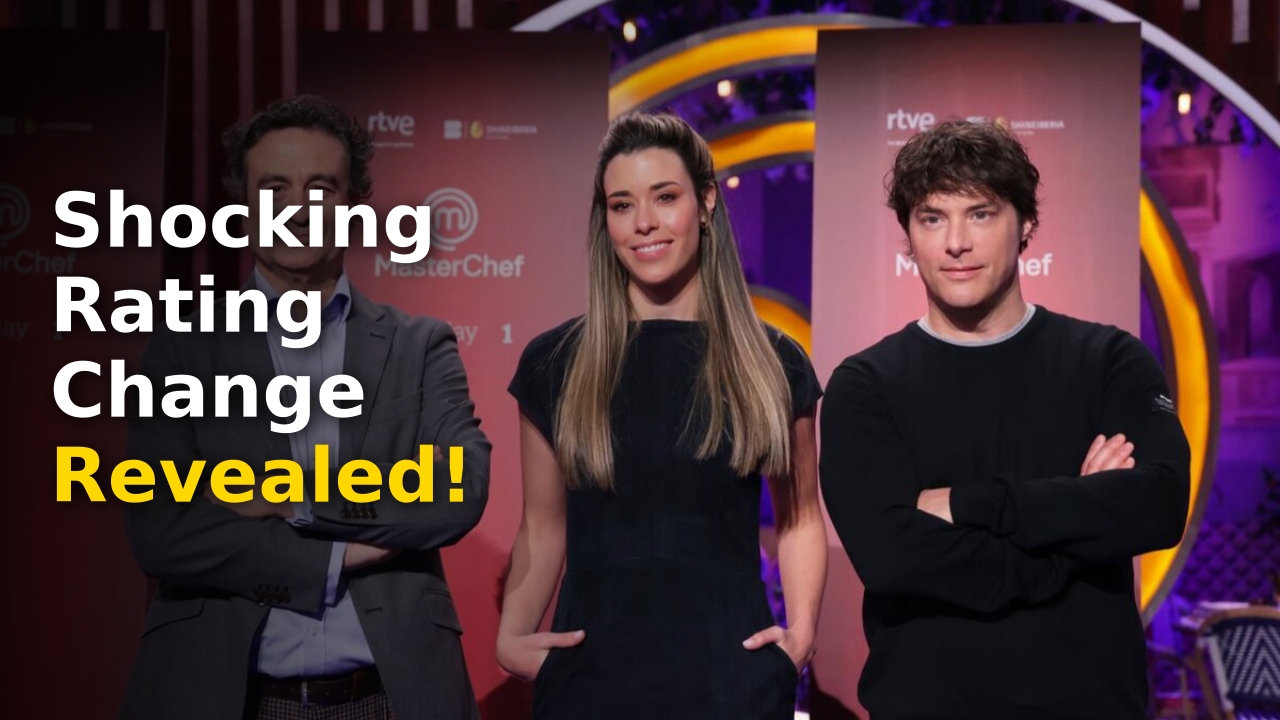
MasterChef has officially elevated its age classification to +12, sparking a massive national debate regarding television standards and the integrity of prime-time family entertainment. Have you ever wondered what exactly happens behind the cameras when the producers decide to push the boundaries of what is acceptable for children to watch?
This significant shift comes after the Defensora de la Audiencia received a flurry of formal complaints detailing uncomfortable moments of sexualized content and inappropriate conduct within the show. As a regular viewer, you might have noticed the tension, but for the regulatory bodies, these incidents represent a direct violation of the public’s right to dignified and appropriate programming.
MasterChef: A Controversial Cultural Phenomenon
The transformation of MasterChef into a +12 rated program is not an isolated incident but rather the culmination of months of public outcry. The Defensora de la Audiencia, led by Beatriz Ariño, has been working tirelessly to protect the rights of families who feel that the show has strayed too far from its original culinary focus. By shifting the rating, the network acknowledges that the current climate of the show is no longer suitable for a young audience.
You are likely aware that MasterChef has always thrived on drama, but recent episodes have pushed these boundaries into uncomfortable territory. Critics point to the specific behavior of contestants like Ofelia and celebrity guests such as Paz Vega as catalysts for these complaints. The perception that some participants act with total disregard for professional standards has left many viewers questioning the production values of the network.
The impact of this change is profound, particularly for families who use the show as a nightly ritual. By moving the rating to +12, the show effectively signals that the content is no longer appropriate for children, despite its position as a flagship program on TVE. This decision forces you to reconsider whether your household viewing habits align with the new, more mature direction the production team has taken.
Deep beneath the surface of the culinary challenges, there is an ongoing power struggle between creative freedom and ethical broadcasting. Industry insiders at Bright Celebrity note that when reality television prioritizes shock value over substance, the audience inevitably pushes back. The Defensora de la Audiencia has acted as the voice of the viewer, ensuring that the network hears loud and clear that “entertainment” should not come at the cost of public values.
This is not just about a rating change; it is about the shifting landscape of Spanish television in 2026. You are witnessing a transition where viewers are demanding more accountability from major networks. Whether this leads to a cleaner production or even more controversy remains to be seen, but the data suggests that the tolerance for questionable behavior is at an all-time low.

Key Areas of Viewer Dissatisfaction
- Excessive focus on romantic and sexualized subplots during cooking segments.
- Perceived bullying and harassment disguised as competitive “personality.”
- The late-night scheduling conflicts caused by La Revuelta.
- Lack of transparency regarding the tax residences of high-profile contestants.
Data and Viewer Engagement Analysis
The statistics provided by the Defensora de la Audiencia for the second quarter of 2026 offer a glimpse into the massive frustration currently felt by the viewing public. With thousands of communications logged, it is clear that TVE is facing a critical juncture in its operational history.
| Category of Complaint | Number of Communications |
|---|---|
| MasterChef Sexual Content/Rating | Significant/Internal Review |
| Coverage of Pope Leo XIV | 111 |
| La Promesa Programming Issues | 60 |
| La Promesa Boredom Complaints | 40 |
| News Neutrality Concerns | 30 |
| Scheduling of La Revuelta | 33 |
As you can see, MasterChef isn’t the only show under fire. The broader issues of scheduling, political neutrality, and the excessive coverage of religious events like the visit of Pope Leo XIV highlight a disillusioned audience. When you compare the 4,113 total communications from this year to the 7,447 received in the same period of 2025, you might think complaints are down—but in reality, the quality of these complaints is much more focused on systemic issues within RTVE.
Why does this matter to you? Because as a stakeholder in public television, your voice drives the programming agenda. When 23 people write in about the tax status of a guest, or 21 people complain about a show ending at dawn, the network must listen. The decision to raise the rating is a direct response to this feedback loop.
We must also consider the role of the Defensora in a secular state. With 111 complaints regarding excessive religious coverage, it is evident that citizens are watching the editorial choices of TVE with a critical eye. This creates a challenging environment for producers who must balance traditional expectations with modern secular values.
The administrative burden of processing nearly 4,000 complaints each quarter is staggering. It suggests that the relationship between the viewer and the medium is currently fractured. If you find yourself frustrated by these trends, you are part of a growing movement of viewers who refuse to settle for subpar or offensive television content.
Consider the logistics: by pushing programs to later hours, the network creates a domino effect. Shows that should end at reasonable times are shoved into the early morning hours, disenfranchising working families. This is a recurring theme in the complaints and one that requires urgent structural reform.

The Future of Reality TV
Looking ahead, the evolution of MasterChef will serve as a bellwether for other reality shows in Spain. If the +12 rating proves successful in curbing complaints, other networks may follow suit. This standard, widely cited by major global news outlets, ensures that content creators are held to a higher bar than they were just a decade ago.
You should anticipate more frequent reviews of show content and ratings. The pressure from the Defensora de la Audiencia is not going away, and the digital footprint of every viewer complaint makes it harder for networks to ignore the public sentiment. The age of unbridled reality television excess appears to be meeting a hard reality check.
Is this the end of the MasterChef era? Unlikely. However, it is the end of the era where the show could operate without regard for its younger audience demographic. The transition to a more mature rating is a necessary step to reclaim the dignity of the program while satisfying the legal requirements of the broadcasting charter.
Ultimately, you play the most important role in this ecosystem. By speaking up, complaining through official channels, and demanding better content, you ensure that television remains a medium of quality rather than just noise. Your voice matters, and the recent changes reflect that power.
Whether you choose to keep watching or to turn the channel, the industry is forced to adapt to your preferences. The MasterChef saga proves that even the most dominant programs are vulnerable to the collective will of their audience. Stay informed, stay critical, and keep demanding the best from your screen.
Final thoughts: The decision to re-rate MasterChef is a victory for those who advocate for more responsible media. While the debate regarding the tone of the show continues, one thing is certain: the era of blind acceptance of controversial reality content is over. We have reached a point where the industry must respect the viewer, or risk losing them entirely.
More Like This
For more updates, check out our latest entertainment and sports news.