Key Takeaways
| Modern Setting | The 2026 series updates Stephen King’s classic to include modern high school realities, cyberbullying, and active shooter drills. |
| Character Shift | Margaret White is reframed as a protective, self-righteous mother rather than an outright abusive monster. |
| Expanded Narrative | Stretched across eight episodes, the show dives deeper into the supporting cast but faces criticism for pacing in its final act. |
| Star Power | Summer H. Howell leads as Carrie, supported by Matthew Lillard and Samantha Sloyan. |
The Mike Flanagan Carrie TV Series has officially arrived in 2026, offering horror fans a highly anticipated television adaptation of Stephen King’s legendary debut novel. If you think you know the story of Ewen High School’s most tragic prom night, this eight-episode reimagining will completely challenge your expectations. Master filmmaker Mike Flanagan tackles the source material with a distinct, contemporary lens that blends classic psychological horror with modern-day anxieties.
You might remember the iconic 1976 film adaptation directed by Brian De Palma, which defined the genre for a generation. However, this fresh streaming effort seeks to expand the lore, offering deeper character studies and a shocking modern setting. By translating the 1974 novel into a modern 2026 landscape, the production addresses the dark realities of today’s teenage experience, from social media warfare to systemic isolation.
This ambitious project brings together an incredible ensemble cast to breathe new life into these decades-old characters. With a massive runtime split across eight hour-long episodes, the series takes its time establishing the tragic trajectory of Carrie White. Let’s dive deep into what makes this adaptation a fascinating, yet polarizing, addition to the Stephen King cinematic universe.
Modernizing Terror: Inside the Mike Flanagan Carrie TV Series
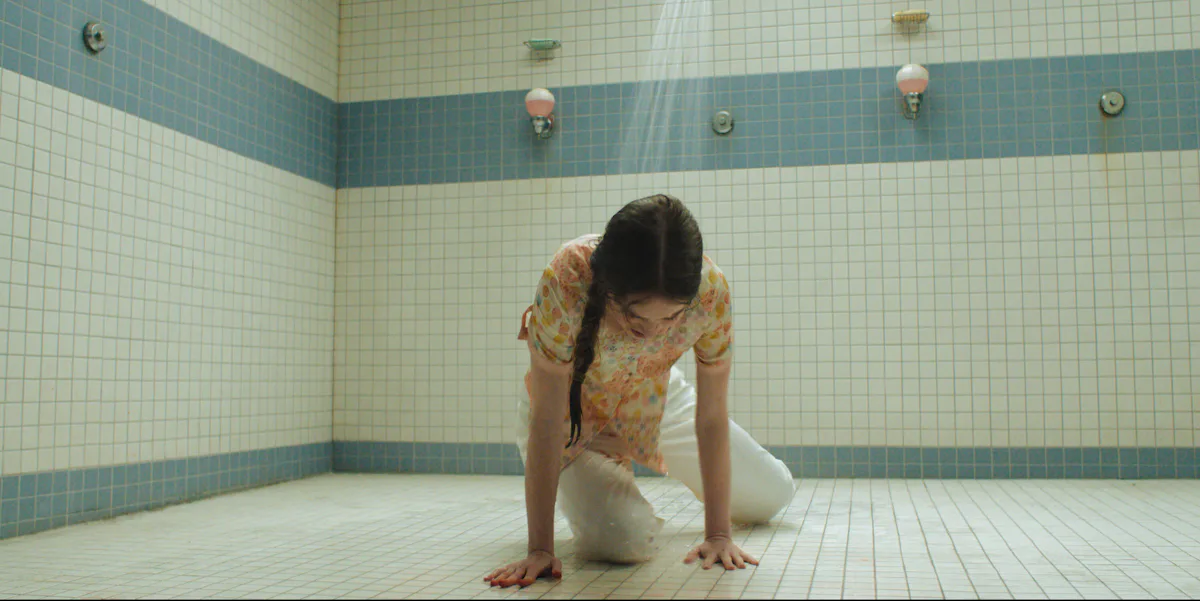
The creative decision to set the Mike Flanagan Carrie TV Series in 2026 allows the narrative to explore themes that did not exist when Stephen King first penned the novel in 1974. Today’s high schoolers face a vastly different landscape dominated by cell phones, instant recording, and digital permanence. The series brilliantly captures this ambient dread, showcasing how easily a single embarrassing moment can go viral globally in seconds.
In this version, Carrie White, played masterfully by Summer H. Howell, is not just isolated by her mother’s religious extremism. She is also systematically targeted by a digital hate campaign orchestrated through an anonymous Instagram account called “CarrieRed”. This modern cyberbullying angle, spearheaded secretly by the wealthy and troubled Chris Hargensen (played by Alison Thornton), spreads the pain across the entire student body, making Carrie’s suffering feel agonizingly relatable to modern audiences.
Furthermore, the school environment of Ewen High School reflects modern-day issues, including active shooter drills and institutional helplessness. When Matthew Lillard‘s character, Principal Grayle, tries to address the rampant bullying, his efforts are bogged down by contemporary red tape and administrative failure. This realistic backdrop elevates the story from a simple supernatural thriller to a chilling reflection of modern adolescent vulnerability.
However, updating a masterpiece is never a simple task for any creator, even one with a track record as stellar as Flanagan’s. The inclusion of digital surveillance culture adds a layer of constant paranoia that matches Carrie’s growing telekinetic powers. As the boundaries between the physical and digital worlds blur, her supernatural abilities begin to manifest as a terrifying escape from her online tormentors.
For readers wanting to keep up with the latest updates on horror icons, you can check out Bright Celebrity news and updates to see how this adaptation compares to other modern horror projects. This modern spin proves that Carrie’s story is timeless, even when translated into the hyper-connected, anxious reality of the mid-2020s.
A Comparative Look: 2026 Cast and Characters Versus the 1976 Classic
To fully appreciate the scope of the Mike Flanagan Carrie TV Series, we must analyze how these new iterations of King’s iconic characters stack up against their historical counterparts. The character of Margaret White, played here by Samantha Sloyan, undergoes the most radical transformation. Instead of the physically abusive, manic religious zealot of previous adaptations, this Margaret is portrayed as an overprotective, deeply delusional mother whose primary sin is pride rather than outright malice.
This shift changes the dynamic of the White household entirely, making the relationship between mother and daughter far more tragic. We see a family attempting to recover from the death of Carrie’s father, emerging from a self-imposed isolation that has left both women deeply scarred. Rather than cowering in fear of her mother’s wrath, Carrie actually seeks comfort in her presence during the early episodes, which makes the ultimate breakdown of their bond even more heartbreaking to witness.
The supporting cast also gets significantly more screen time to develop their complex interpersonal dynamics. Siena Agudong stars as Sue Snell, a character wrestling with immense guilt and trying to navigate her own complicated relationship with Chris Hargensen. The series excels at showing that these teenagers are not cartoonish villains, but flawed, real individuals caught in a toxic social ecosystem.
Let us break down the main cast and character adjustments in this comprehensive comparison table:
| Character | 1976 Film Actor | 2026 Series Actor | Character Archetype & Key Shifts |
|---|---|---|---|
| Carrie White | Sissy Spacek | Summer H. Howell | A modern, tech-haunted outcast dealing with cyberbullying and telekinesis. |
| Margaret White | Piper Laurie | Samantha Sloyan | Reframed as an overprotective, prideful mother rather than a cartoonish monster. |
| Chris Hargensen | Nancy Allen | Alison Thornton | A wealthy, troubled cyberbully operating the anonymous ‘CarrieRed’ social page. |
| Principal Grayle | Stefan Gierasch | Matthew Lillard | An administrator struggling to control a modern, highly volatile school environment. |
| Sue Snell | Amy Irving | Siena Agudong | A sympathetic peer caught between social conformity and moral obligation. |
As seen in the table, the casting decisions highlight a desire to ground the story in emotional realism. The performance of Summer H. Howell brings a fragile, anxious energy that perfectly matches the digital-age pressures. By expanding the narrative to eight episodes, viewers get to sit with these characters during their quietest, most vulnerable moments, something that a two-hour film could never fully capture.
The Creative Evolution of Stephen King Adaptations
Understanding Mike Flanagan’s unique position in the horror community is vital to appreciating this adaptation. Over the past decade, Flanagan has established himself as the premier interpreter of Stephen King’s work, directing celebrated films like Gerald’s Game, Doctor Sleep, and The Life of Chuck. His deep reverence for King’s bibliography is evident in every frame of this new series, as he pays homage to the thematic underpinnings of the original novel. You can explore Mike Flanagan’s full filmography on IMDb to see how his horror style has evolved over the years.
Before Flanagan took on this project, Stephen King television adaptations were historically restricted to short-form miniseries. However, the rise of streaming platforms has allowed creators to treat novels as expansive multi-part dramas. Flanagan, alongside co-directors Kate Siegel and Kyra Sedgwick, uses this extended format to explore the psychological toll of Carrie’s isolation. Siegel and Sedgwick each direct a pivotal episode, bringing their unique stylistic flairs to the series.
By The Numbers: To put this adaptation into perspective, Stephen King’s Carrie has been adapted for the screen five times since its publication in 1974. The original 1976 film grossed over $33 million domestically on an incredibly modest budget of $1.8 million, securing two Academy Award nominations. In contrast, the 2013 remake starring Chloë Grace Moretz grossed $85 million globally but struggled to capture the critical acclaim of its predecessor. Flanagan’s television version marks the first time the story has been expanded into an eight-hour episodic format, representing a massive structural gamble for the franchise.
This television format allows the creative team to explore the origins of Carrie’s powers in a way that previous films simply skipped over. We get to witness her early childhood experiences, her father’s untimely death, and the gradual manifestation of her telekinetic abilities. These backstory elements enrich the narrative, making the inevitable tragedy at the prom feel like the culmination of a lifelong struggle rather than a sudden, chaotic outburst.
For those interested in how this project compares to other major releases, Bright Celebrity movie profiles offers excellent comparisons of modern streaming horror versus classic theatrical releases. This contextual background illustrates why a television adaptation of this scale was highly anticipated by horror enthusiasts and Stephen King purists alike.
Critical Analysis: Why the Latest Stephen King Reboot Divides Audiences
Despite its early promise and exceptional character development, the Mike Flanagan Carrie TV Series has received polarized reactions due to its narrative choices in the second half. The series begins to falter when it introduces elements that feel disconnected from the core story of Carrie White. One of the major pain points for critics is the introduction of Emaline, a fellow outcast played by Thalia Dudek, who helps Carrie train her powers.
Expert Take: Renowned horror film historians argue that the “superhero training” sequence in the junkyard severely undermines the psychological horror of the original text. In Stephen King’s novel, Carrie’s telekinesis is a terrifying, uncontrolled manifestation of repressed trauma and rage. By turning her training into a structured, Stranger Things-inspired montage, the series strips away the primal dread of her power. This shift from classic, gothic horror to trendy sci-fi tropes demonstrates the difficulties of extending a concise 200-page novel into an eight-hour television series.
Another controversial change is the reduction of blame placed on the main characters for the final tragedy. By revealing that neither Chris nor Carrie are solely responsible for the infamous pig-blood incident and subsequent gymnasium massacre, the show softens the dark, tragic irony of the book. It is far less dramatic to watch a crying Carrie accidentally destroy her school than it is to watch an angry, vengeful young woman actively choosing to burn down her tormentors’ world.
The series also attempts to weave in heavy-handed political commentary, linking Margaret White’s religious extremism with modern right-wing culture-war rhetoric. While some of these insights are remarkably sharp in the early episodes, they eventually dissolve into generic monologues about historical witch hunts. The show even utilizes imagery from the Salem Witch Trials, a historical event that was famously not about actual sorcery, which undercuts the feminist messaging the writers were trying to convey.
Ultimately, the series shines brightest when it focuses on the intimate, human moments between its characters. A standout sequence in Episode 3, directed by Kate Siegel, juxtaposes Carrie’s joy at her first party with Chris’ downward spiral. The visual storytelling in this sequence is masterclass, illustrating the shifting fortunes of both girls in a single, silent shot. To discover more about the rising stars featured in this series, visit Bright Celebrity talent showcases for in-depth actor profiles and career retrospectives.
People Also Ask
What is the biggest change in the Mike Flanagan Carrie TV Series?
The biggest change in this adaptation is the modernization of the high school setting, including cyberbullying via a ‘CarrieRed’ Instagram account, and the reframing of Margaret White as a prideful, overprotective mother rather than an abusive monster.
Who plays Carrie White in the 2026 adaptation?
The talented young actress Summer H. Howell portrays the title character, Carrie White, delivering a highly praised performance that highlights the modern-day anxieties of a high school outcast.
Is the Mike Flanagan Carrie TV Series faithful to the Stephen King novel?
While it maintains the core premise of Stephen King’s 1974 novel, the series departs significantly by expanding the narrative into eight episodes, adding new subplots, and modifying the culpability of the main characters during the prom massacre.
Who directed the episodes of the 2026 Carrie series?
In addition to showrunner Mike Flanagan, several episodes of the series were directed by talented collaborators, including prominent horror actress and director Kate Siegel and award-winning actress Kyra Sedgwick.
The Ultimate Verdict on the Mike Flanagan Carrie TV Series
In the final analysis, the Mike Flanagan Carrie TV Series stands as a bold, beautifully shot, and highly ambitious experiment in modern television horror. While it does not quite stick the landing due to its bloated middle episodes and unnecessary departures into mainstream sci-fi tropes, its successes are undeniable. The incredible performances by Summer H. Howell and Samantha Sloyan elevate the material, providing a fresh, empathetic look at these tragic literary figures.
Stephen King’s original story has survived for over half a century because its core themes of isolation, bullying, and institutional failure remain universally relevant. By updating these themes for the digital landscape of 2026, Flanagan has created a horror show that feels deeply connected to our current cultural moment. It is a series that provokes thought, sparks intense debate, and offers plenty of genuine scares along the way.
Whether you are a die-hard fan of the original novel, a devotee of the 1976 classic film, or a newcomer to the tragic story of Carrie White, this adaptation demands your attention. It proves that even when a classic story is stretched to its absolute limits, the power of a great director and a dedicated cast can still conjure something truly magical. You can read more about Stephen King’s incredible literary legacy on the official Wikipedia page for Stephen King.
Ultimately, this television event proves that the horror of being an outcast never truly goes away; it simply evolves with the times. The Mike Flanagan Carrie TV Series may not be perfect, but its willingness to take risks makes it one of the most interesting Stephen King adaptations of the decade.
More Like This
For more updates, check out our latest entertainment and sports news.