⚡ Key Takeaways
- The 2011 video game Green Lantern: Rise of the Manhunters featured the iconic robotic villains long before the current HBO series.
- While the 2011 film was a critical failure, the tie-in game correctly identified the thematic weight of the Manhunters as precursors to the Corps.
- The Manhunters in the game were used as a plot device for succession and betrayal, paralleling the narrative themes in modern DC adaptations.
- Modern viewers are finding new value in obscure licensed media that accurately predicted the trajectory of the DC Extended Universe (DCEU) characters.
Lanterns villains—specifically the lethal, autonomous robotic sentinels known as the Manhunters—have officially returned to the limelight in the latest HBO streaming sensation, yet you might be stunned to learn that they starred in a video game nearly 15 years ago. While most audiences associate the 2011 Ryan Reynolds project with cinematic infamy, the accompanying tie-in game actually possessed a level of thematic foresight that the blockbuster film completely lacked.
You are looking at a classic case of “hidden media history,” where a bargain-bin console game managed to capture the core essence of the DC Universe better than a multi-million dollar feature film. Whether you are a die-hard fan of the Green Lantern lore or a casual observer of the latest HBO series, the intersection between this forgotten software and current television output is nothing short of fascinating.
The Legacy of Lanterns Villains in Gaming
In 2011, developer Double Helix Games released Green Lantern: Rise of the Manhunters just days before the movie hit multiplexes nationwide. At the time, the title was dismissed as a derivative God of War clone, criticized for repetitive combat loops and uninspired voice acting. However, as the DC landscape has shifted, the narrative choices made by the development team appear surprisingly prescient.

The game centers on the conflict between Hal Jordan and the ancient robotic precursors to the Green Lantern Corps. The Manhunters were not just generic enemies; they were presented as a challenge to the established order of the universe. This mirrors the current thematic preoccupation with succession and the failure of past generations seen in modern superhero storytelling.
By choosing the Manhunters as the primary antagonist force, the game writers bypassed the more traditional villains like Sinestro or Hector Hammond, who were central to the film. This decision allowed for a story grounded in the history of Oa, giving fans an interactive experience that explored the lore of the Guardians long before it became a standard trope in DC cinematic projects.
Why The Narrative Still Resonates
The core hook of Rise of the Manhunters is the betrayal involving Amon Sur. By positioning the son of the legendary Abin Sur as the antagonist seeking a yellow power battery, the game established a clear lineage of conflict. This focus on “birthright” and the anxiety of filling a predecessor’s shoes is a sophisticated narrative beat that many licensed games fail to execute properly.
The technical implementation, while dated, served as a proof of concept for the threat level of the Manhunters. They are depicted as cold, calculating, and ruthless—a stark contrast to the often campy tone of the associated film. You can easily see how this foundational character work paved the way for the more nuanced, terrifying portrayal of the robots currently terrorizing the protagonists in the new HBO series.
By The Numbers: The Manhunter Franchise Impact
To understand the disconnect between the critical reception and the thematic brilliance of this title, we must look at the data. Despite the overwhelming negative critical consensus in 2011, the title served as a bridge between the comic book source material and the broader audience that didn’t read the monthly issues.
| Category | 2011 Game Data | Modern HBO Context |
|---|---|---|
| Primary Antagonist | Manhunters (Robots) | Manhunters (Shapeshifters) |
| Key Theme | Succession/Betrayal | Replacement/Existential Dread |
| Lead Actor | Ryan Reynolds | Kyle Chandler/Aaron Pierre |
Expert Take: When analyzing the longevity of licensed media, the “Rise of the Manhunters” phenomenon highlights a specific trend in the industry: the “Pre-Canon Effect.” Developers tasked with creating tie-in content often look at the deep-cut comic lore to pad out runtime. In doing so, they sometimes accidentally stumble upon the exact plot beats that big-budget showrunners will use over a decade later, essentially testing the viability of a niche character before it hits the mainstream.
The Forgotten History of Oa
The lore of Oa and the Green Lantern Corps is famously dense. In the comics, the Manhunters were the first attempt by the Guardians of the Universe to police the cosmos. They were eventually replaced by the Corps after a programming glitch caused them to decide that the best way to stop crime was to eliminate all life.
This backstory is the bedrock of the Lanterns series. Interestingly, the 2011 game makes the bold choice to feature this conflict early. It does not treat the Manhunters as mere background noise but as a central, existential threat to the existence of the Guardians themselves. You are playing through a condensed version of a massive cosmic history, even if the execution is admittedly repetitive.
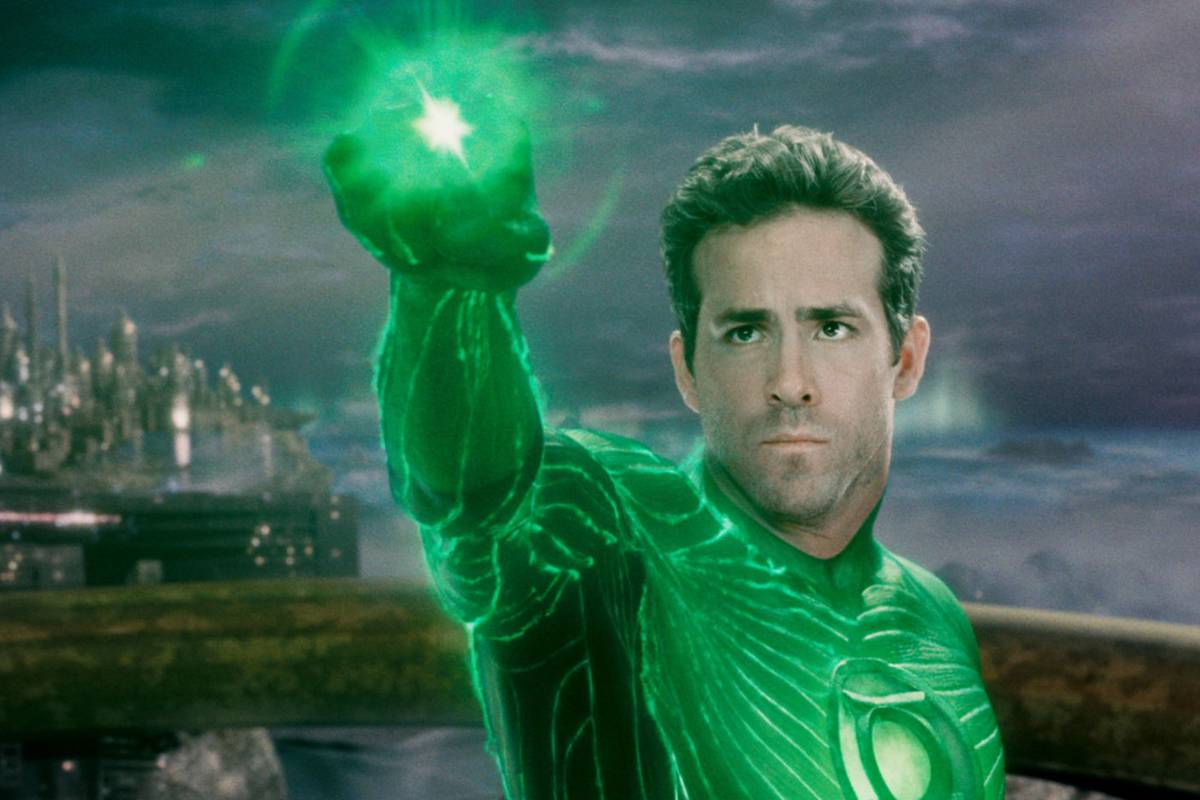
Many critics argue that this game was the first time that general audiences were truly introduced to the concept of the Manhunters as a primary, recurring threat rather than just a one-off comic book cameo. While the film focused heavily on the visual spectacle of the Green Lantern power rings, the game focused on the internal politics and the failure of the Guardians.
Frequently Asked Questions
Why did nobody remember the 2011 Green Lantern game?
The game was released alongside a poorly received film and featured repetitive gameplay, causing it to fall into obscurity despite having a strong narrative connection to the current Lanterns series.
Are the Manhunters in the video game the same as the show?
Yes, both adaptations feature the Manhunters as the ancient, rogue precursors to the Green Lantern Corps, though the show explores their threat with significantly more nuance and depth.
Is it worth playing Rise of the Manhunters today?
Most experts suggest that while the game is not a masterpiece, watching a compilation of the cutscenes provides a fascinating look at how DC lore was adapted years ago.
Final Thoughts on Lanterns Villains
Reflecting on the history of Green Lantern: Rise of the Manhunters offers a unique perspective on how media franchises evolve over time. It is a testament to the richness of the DC Universe that even a forgotten project can inadvertently act as a roadmap for future successes. The Lanterns villains—the Manhunters—have come full circle, moving from a niche video game threat to a central component of high-end prestige television. As you continue to watch the unfolding mystery on HBO, keep in mind that the seeds for this conflict were planted in the digital space long before they ever reached the small screen.
More Like This
For more updates, check out our latest entertainment and sports news.