Key Takeaways
| Companion Project: Aaron Sorkin directs the spiritual successor to 2010’s The Social Network, shifting focus to algorithmic toxicity. |
| Star-Studded Cast: Jeremy Allen White stars as reporter Jeff Horwitz alongside Mikey Madison as whistleblower Frances Haugen. |
| Real-World Leak: Dramatizes the high-stakes leak of the Wall Street Journal’s real-world ‘Facebook Files’ exposé. |
| Genre Reinvention: Repositions the classic procedural investigative thriller in an era governed by rapid, ephemeral digital feeds. |
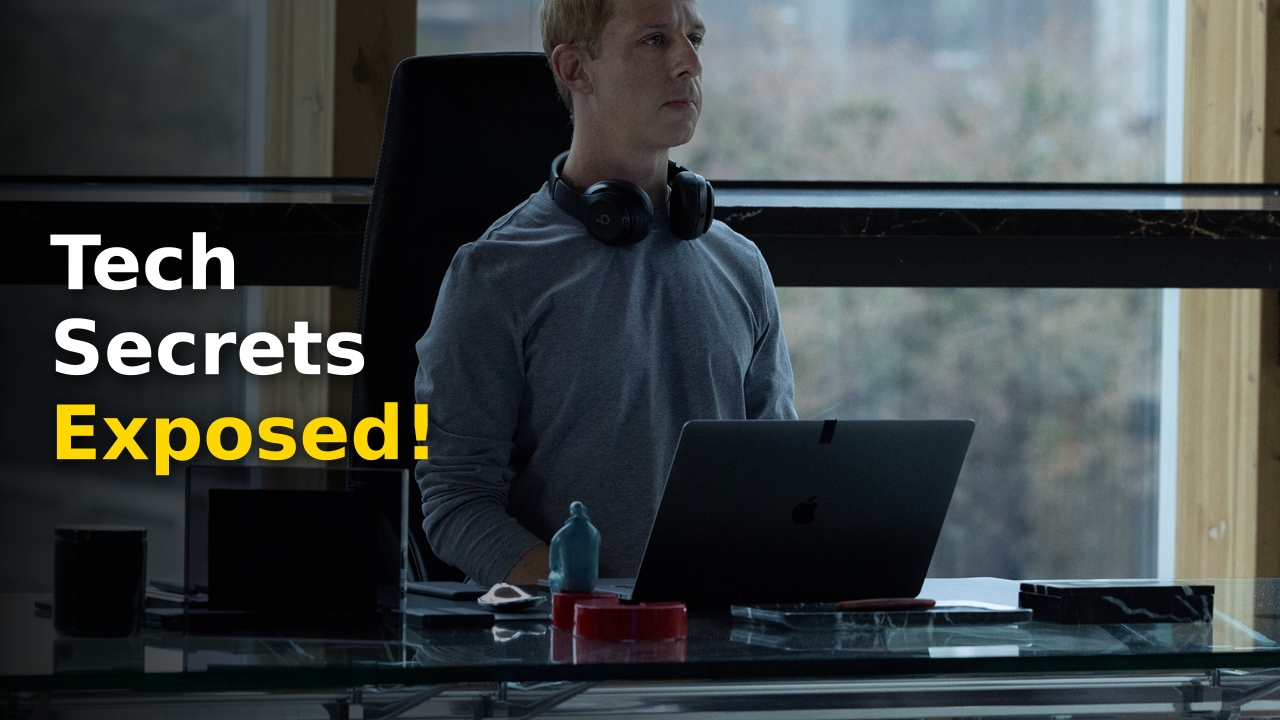
You probably believe modern digital empires operate with reckless impunity, and The Social Reckoning proves every single one of your darkest corporate suspicions true. Written and directed by Aaron Sorkin, the blistering investigative feature tackles the explosive publication of the 2021 Wall Street Journal investigation known worldwide as the ‘Facebook Files.’ By pitting meticulous, old-school reporting directly against multi-billion-dollar algorithmic machinations, the film delivers a searing look at tech titan accountability.
Anchored by heavyweight performances from Jeremy Allen White and Mikey Madison, the film operates not just as corporate drama, but as a defining post-mortem on our modern internet reality. It tracks how former civic integrity manager Frances Haugen gathered internal research proving corporate complicity in teen mental health crises and global political polarization. As legacy media tries to hold Silicon Valley monopolies accountable, this sprawling cinematic effort investigates whether slow journalism can survive in an era dominated by hyper-speed disinformation.
For cinephiles tracking contemporary entertainment history, exploring brightcelebrity trending news reveals how deeply real-world tech scandals have permeated modern award-season cinema. Sorkin trades his hallmark walk-and-talk idealism for a chilly, procedural aesthetic that mirrors real investigative reporting. Rather than relying on explosive car chases, the narrative builds white-knuckle tension entirely out of encrypted signal messages, encrypted flash drives, and redlined drafts.
The Social Reckoning Cast and Story Breakdown
At the beating heart of The Social Reckoning is the fraught partnership forged between Wall Street Journal investigative reporter Jeff Horwitz, played with rumpled, chain-smoking intensity by Jeremy Allen White, and Facebook product manager Frances Haugen, portrayed with steely nerve by Mikey Madison. Madison captures the existential dread of an employee who slowly realizes that the platform she manages prioritizes engagement metrics over human safety. When Haugen decides to copy thousands of internal documents, her act of defiance triggers a massive, systemic corporate crisis.
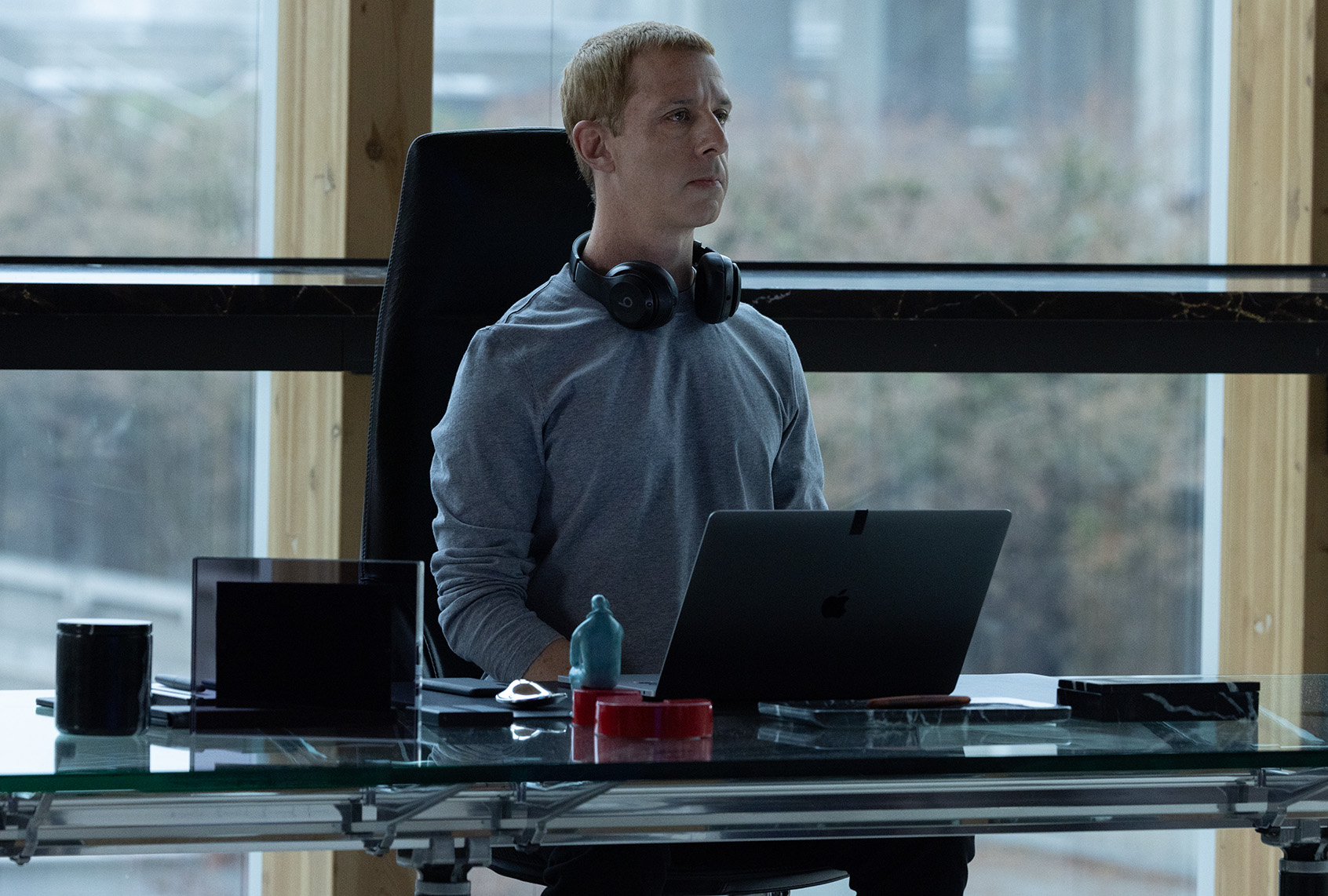
Supporting performances elevate the drama from an office procedural into an intense institutional standoff. Betty Gilpin delivers razor-sharp dialogue as a cynical, hyper-competent Wall Street Journal bureau chief managing intense editorial liabilities. Meanwhile, Jeremy Strong makes a series of chilling, icy appearances as Meta chief Mark Zuckerberg, seen rehearsing congressional testimonies and engineering corporate public relations counter-offensives. Sorkin writes Zuckerberg not as an overt monster, but as a detached technocrat who genuinely views human psychology as an engineering problem waiting for algorithmic optimization.
Inside the Wall Street Journal Newsroom Mechanics
The operational realism depicted inside the newsroom highlights the exhausting logistical burden borne by modern investigative journalists. Sorkin meticulously shows the months-long process of corroborating proprietary internal data, consulting legal counsel, and vetting whistleblowers facing catastrophic non-disclosure agreement penalties. The script pulls direct dialogue from real documentation uncovered during the historical leak, bringing authentic weight to every tense editorial meeting.
- Document Verification: Sifting through tens of thousands of internal presentation decks to establish undeniable corporate liability.
- Legal Jeopardy: Facing severe corporate threats of federal prosecution under trade secret and non-disclosure statutes.
- Psychological Isolation: Navigating safe houses and encrypted digital footprints to preserve source identity prior to publication.
The Social Reckoning Production Data and Timeline
Analyzing the factual architecture of the film illustrates why it resonates so forcefully with audiences who lived through the original news cycle. The production leans heavily on documented reporting timelines, pulling verbatim excerpts from the congressional record and published journalistic series. Detailed coverage from historical tech outlets highlights how the real-world reporting reshaped Capitol Hill scrutiny, mirroring the tension captured on screen.
| Historical Milestone | Real-World Date | Key Cinematic Depiction | Narrative Impact |
|---|---|---|---|
| Whistleblower Onboarding | Late 2019 | Haugen joins Civic Integrity unit | Establishes internal disillusionment |
| Data Exfiltration | Early 2021 | Late-night database downloads | Injects pure espionage thriller pacing |
| The Facebook Files Launch | September 2021 | Multi-part Wall Street Journal rollout | Culmination of newsroom verification |
| Senate Sub-Committee Hearing | October 2021 | Haugen’s public Capitol Hill testimony | Cinematic emotional crescendo |
To fully grasp how modern media shapes pop culture controversies, reading through brightcelebrity entertainment updates provides clear context on how major studios greenlight politically charged projects. The sheer density of information presented in the narrative forces the audience to confront just how complicated holding Silicon Valley accountable truly is.
Investigative Journalism in the Algorithmic Age
The fundamental conflict within this investigative thriller is the impossible war between deep research and rapid feed consumption. While legacy reporters spend six months parsing statistical research to ensure accuracy, social algorithms optimize for immediate outrage within fractions of a second. This terrifying asymmetry sits at the very heart of the script’s philosophical inquiries.
In decades past, classic thrillers like All the President’s Men or Spotlight concluded with the assumption that exposing institutional corruption leads to permanent reform. However, in this modern companion piece, revealing corporate misconduct simply produces another temporary trending topic that gets buried underneath celebrity gossip and political memes forty-eight hours later. It is a bleak, sobering thesis that challenges Hollywood’s romanticized view of journalistic triumph.
The Instagram Teen Mental Health Revelation
Among the most devastating revelations dramatized in the script is Meta’s internal research regarding young demographics. Haugen hands Horwitz damning documentation showing that thirty-two percent of teenage girls who felt bad about their bodies reported that Instagram made those feelings worse. The company’s executives knew these exact metrics, yet actively pursued plans for younger user products to maintain market share against rivals like TikTok.
Sorkin underscores the chilling reality of these internal findings by contrasting executive apathy with public relations doublespeak. For broader industry analysis of how digital privacy and corporate accountability intersect, comprehensive reports like Forbes business analysis on Big Tech regulation offer deep insight into ongoing federal antitrust enforcement. The film forces audiences to realize that platform mechanics are engineered deliberately to harvest human attention regardless of social fallout.

The Sorkin Evolution: Cynicism Versus Liberal Idealism
For more than three decades, Aaron Sorkin has stood as American entertainment’s premier defender of institutional nobility. Through iconic projects like The West Wing and The Newsroom, his work argued that well-intentioned leaders could resolve deep moral crises through soaring speeches and principled debate. Yet here, that optimism completely collapses under the weight of algorithmic realities.
By revisiting the subject matter of his 2010 masterpiece, Sorkin constructs an intentional counterpoint to his own cinematic legacy. The Social Network chronicled the petty resentments and youthful arrogance that created modern tech culture. This project explores the toxic monster that grew out of those early dorm rooms, showing how unchecked greed transformed basic social communication into an existential hazard.
Expert Take: The Death of the Traditional Whistleblower Narrative
Media critics and film historians note that the journalism thriller is currently undergoing an unprecedented identity crisis. When an investigative report no longer guarantees institutional consequences, how does a filmmaker build narrative stakes? Sorkin answers this dilemma by turning the camera directly toward our collective apathy. The drama works precisely because it recognizes that exposing the truth is no longer enough to force real systemic change.
As audiences digest this shift, exploring brightcelebrity media features helps contextualize how modern screenwriters must adapt classical story structures for cynical modern viewers. The power of The Social Reckoning rests in its stubborn refusal to hand out unearned happy endings. Instead, it leaves viewers sitting in the uncomfortable glow of their mobile devices, aware that the very algorithms they use are shaping their perceptions in real time.
People Also Ask
What is The Social Reckoning about?
The Social Reckoning dramatizes the real-world partnership between tech whistleblower Frances Haugen and reporter Jeff Horwitz, detailing how they leaked the explosive ‘Facebook Files’ to the Wall Street Journal.
Who stars in The Social Reckoning?
The film stars Jeremy Allen White as investigative journalist Jeff Horwitz and Mikey Madison as Facebook whistleblower Frances Haugen, with Jeremy Strong portraying Mark Zuckerberg.
Is The Social Reckoning a sequel to The Social Network?
It functions as a thematic companion piece written and directed by Aaron Sorkin, focusing on the real-world algorithmic fallout of the platform more than a decade after the original film’s events.
Why did Frances Haugen leak the Facebook Files?
Haugen leaked tens of thousands of internal documents after discovering that the platform’s leadership consistently chose engagement and profit over user safety, teen mental health, and democratic stability.
Why Aaron Sorkin’s Journalism Thriller Demands Attention
Ultimately, The Social Reckoning stands as a crucial cultural document that demands the full attention of an increasingly distracted global public. By illustrating the exhausting, unglamorous mechanics of real investigative reporting, the production reminds viewers why independent journalism remains an essential pillar of a free society. Even when the corporate titans seem invincible and the public feed moves at lightning speed, holding powerful institutions accountable remains a fight worth fighting.
Rather than providing escapist thrills, the film acts as an urgent public wake-up call regarding our collective relationship with digital platforms. Sorkin crafts a razor-sharp, essential cinematic experience that forces us to question who really controls the information shaping modern reality. As the credits roll, one sobering takeaway lingers: the algorithm knows exactly how you feel, but whether you choose to disconnect remains entirely up to you.
More Like This
For more updates, check out our latest entertainment and sports news.