⚡ Key Takeaways
- The Imagination Library has delivered hundreds of millions of books globally since 1995.
- Local initiatives like the United Way of the Greater Capital Region program continue to expand Parton’s vision.
- Research consistently shows early access to home libraries drives long-term academic success.
- The program operates on the simple, radical belief that every child deserves a home library regardless of income.
The Imagination Library legacy continues to ripple across the globe, ensuring that millions of children gain access to the transformative power of reading regardless of their socioeconomic background. You might know Dolly Parton as the Queen of Country, but her most enduring masterpiece is not a chart-topping hit; it is a meticulously built global infrastructure for childhood literacy.
Born into a family of 12 children in a “dirt poor” cabin in East Tennessee, Dolly understood firsthand that literacy is the ultimate gateway to opportunity. Her father’s inability to read and write fueled a lifelong mission that has now empowered generations of young readers.
The Evolution of Imagination Library Impact
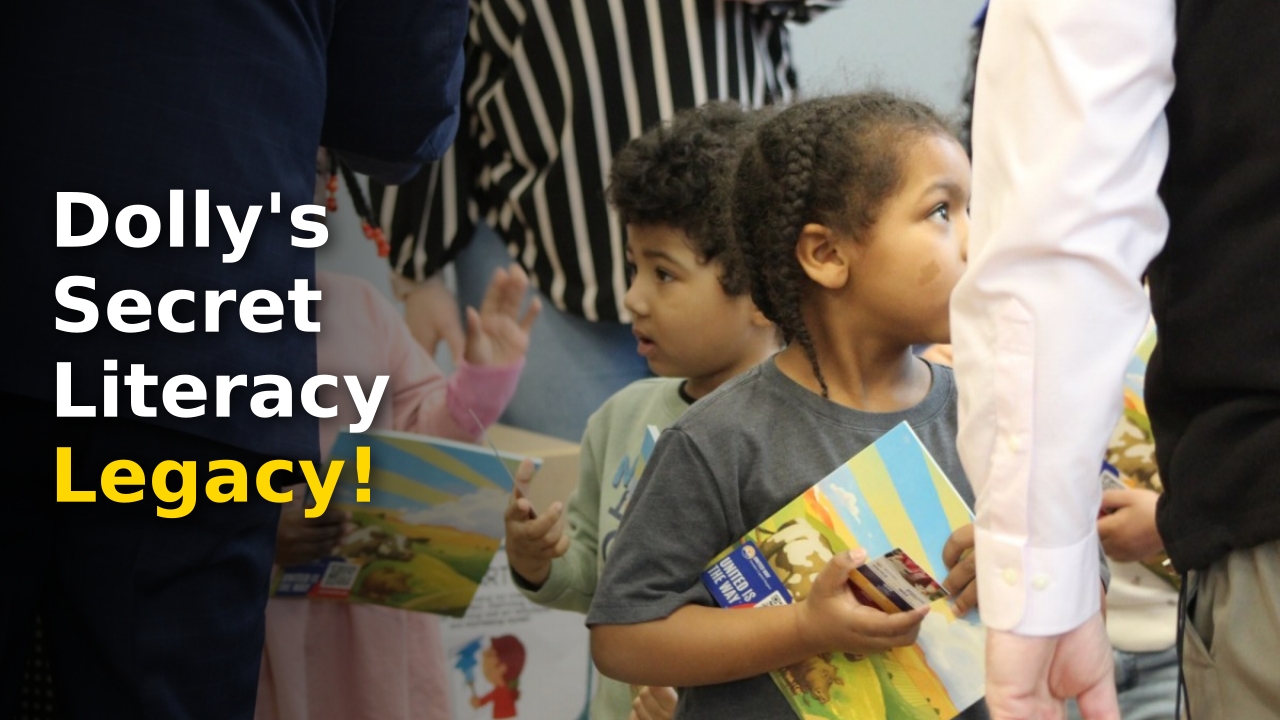
When the program launched in 1995, few expected it to transform from a small county-based project into a worldwide phenomenon. The scalability of the model relies on local partnerships, like the one recently highlighted in the Capital Region of New York. By bridging the gap between national distribution and local advocacy, the program ensures that books reach the rural homes and urban apartments where they are needed most.

For leaders like Peter Gannon, CEO of the United Way of the Greater Capital Region, the mission is personal. Having been raised by a mother who prioritized early reading, Gannon sees the Imagination Library as a tool for economic and social mobility. The program doesn’t just deliver paper and ink; it delivers a sense of belonging and intellectual curiosity to households that might otherwise face barriers to traditional library access.
Why Home Libraries Matter
Research confirms that the presence of books in the home is one of the single strongest predictors of future academic success. Unlike school libraries, which require travel and operating hours, the home library brings the classroom to the living room floor. Children who receive mail addressed to them specifically develop a proprietary and joyful relationship with their books, associating reading with comfort rather than the pressure of standardized testing.
Global Reach and Local Data
The success of the program is best measured by the sheer volume of impact it has achieved in underserved communities. Below is a breakdown of how the Dolly Parton Imagination Library framework supports local regions.
| Metric | Impact Overview |
|---|---|
| Total Books Distributed | 250M+ Globally |
| Eligibility | Birth to Age 5 |
| Local Enrollment | 15,000+ (Capital Region) |
| Funding Model | Public-Private Partnerships |
The Deep-Dive Historical Context
To truly appreciate the Imagination Library, one must look at the historical landscape of Appalachian literacy. In the mid-20th century, generational poverty created systemic barriers to education that were often ignored by national policy makers. Dolly Parton used her celebrity platform to turn the spotlight on these neglected regions, effectively changing the narrative of what rural education could look like.
By the numbers, the program’s influence is staggering. Carolyn Fagan, a retired librarian from the Troy Public Library, emphasizes that the joy of ownership cannot be replicated. When a child owns a book, they revisit the narrative repeatedly, deepening their cognitive engagement and narrative memory. This is not just a philanthropic gesture; it is a calculated, research-backed intervention for early childhood development.

Expert Take: The Socio-Economic Moat
Educational psychologists often point to the “word gap”—a phenomenon where children from lower-income households are exposed to significantly fewer vocabulary words before entering kindergarten. The Imagination Library acts as a direct counter-measure to this gap. By providing a steady stream of age-appropriate, high-quality literature, the program acts as a structural support that narrows the readiness gap before a child even sets foot in a classroom.
Frequently Asked Questions
How can I enroll my child in the Imagination Library?
You can visit the official website to check if your zip code is serviced by a local partner. Many cities, like those in the Capital Region, operate through the United Way or local school districts.
Is the program truly free for all families?
Yes, the program provides books at zero cost to families, regardless of household income, thanks to the generosity of local donors and non-profit partners.
What happens when a child reaches age five?
At age five, the child graduates from the program, having received up to 60 books in their personal library, which are theirs to keep and treasure long after they enter elementary school.
Securing the Future of Literacy
While the world navigates the loss of a legend, the continuity of the Imagination Library remains a testament to the fact that great leaders build institutions that outlast their own existence. As Peter Gannon noted, the program feels like a living, breathing colleague that continues the work of lifting up the next generation.
You hold the power to support these initiatives by volunteering or donating to your local United Way. The legacy of this program serves as a reminder that meaningful change is rarely achieved through grand, singular events, but rather through the consistent, weekly act of putting a book into the hands of a child who needs it. For more insights on celebrity impact and cultural trends, visit Bright Celebrity.
More Like This
For more updates, check out our latest entertainment and sports news.