Key Takeaways
| Political commentary often shapes public discourse on major election cycles. |
| Visual satire provides a unique lens for voters to process complex legislative news. |
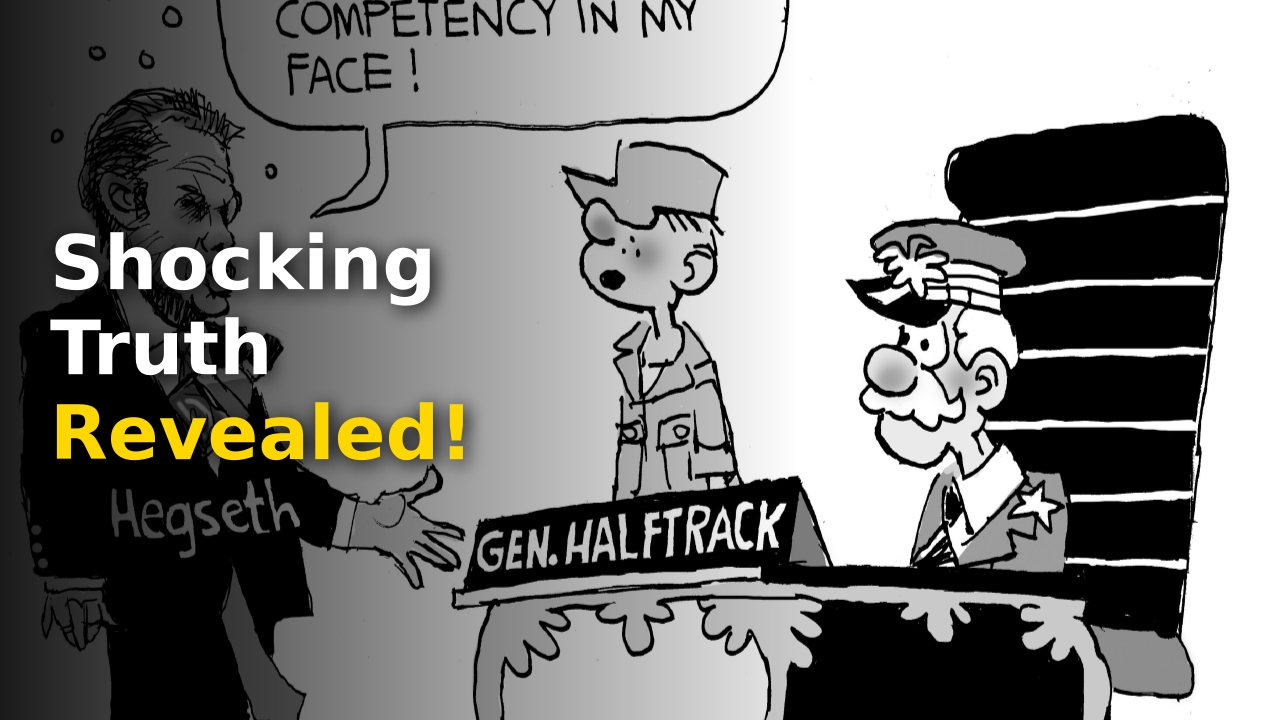
| The Sept 8 editorial cartoon highlights the tensions between media framing and public opinion. |
| Editorial illustrations continue to serve as essential historical artifacts for modern journalism. |
The editorial cartoon Sept 8 has ignited significant conversation across regional media outlets, challenging readers to re-examine their stances on current administrative policy. You might find that visual satire is one of the most effective ways to distill complex geopolitical shifts into digestible, thought-provoking imagery. In an age dominated by rapid news cycles, the role of the editorial cartoonist remains pivotal in holding authority figures accountable through caricature and subtext.
Understanding the impact of the editorial cartoon Sept 8 requires looking beyond the ink on the page to the broader socioeconomic climate it addresses. These artistic expressions often serve as a barometer for public sentiment, capturing frustrations or hopes that traditional prose sometimes fails to encapsulate. By examining the symbolism used by the artist, you gain deeper insight into the ongoing debates that define this calendar year.
Understanding the Editorial Cartoon Sept 8 Impact
The editorial cartoon Sept 8 captures the nuanced intersection of political rhetoric and individual accountability. When you analyze the strokes and character depictions, it becomes clear that the artist is pointing toward a specific controversy involving local governance and resource allocation. This type of journalism-through-art forces the viewer to engage with the narrative rather than passively consuming a headline.
Editorial cartoons have long acted as the conscience of the press. By deploying visual metaphors, the cartoonist can highlight contradictions in platform promises or expose the absurdity of recent policy shifts without needing thousands of words of explanation. This specific installment from the Tribune Chronicle highlights the friction between fiscal responsibility and public demand, a theme that resonates deeply in current economic discourse. For further reading on the evolution of political satire, you can check out Wikipedia’s analysis of historical editorial cartoons to see how far the craft has come.

The power of a single image lies in its ability to bypass partisan barriers. When a reader encounters the editorial cartoon Sept 8, they are invited into a critique that relies on cultural literacy and shared civic experience. The artist effectively uses the juxtaposition of legacy icons and modern technology to suggest that institutions are failing to keep pace with the demands of the 21st-century citizen. This is not merely a critique of a single politician, but a reflection on a systemic breakdown in communication between the leaders and the led.
You must consider the artistic license taken by the creator to emphasize specific personality traits of the subjects featured. By distorting physical features or placing characters in ironic settings, the cartoonist creates a permanent, albeit subjective, record of the political moment. This method of documentation ensures that even as politicians come and go, the core issues raised by their tenure remain frozen in time for future analysis.
Defining Visual Satire in Modern Media
- Visual satire functions as a bridge between high-level policy and grassroots understanding.
- The use of caricature helps to humanize—or dehumanize—political figures to emphasize their actions.
- Contextual cues within the drawing reflect the specific anxieties of the regional audience.
- Editorial cartoons serve as an essential alternative to dry, text-heavy legislative reporting.
Comparative Data on Political Cartoons
| Metric | Impact Level | Target Audience |
|---|---|---|
| Social Media Shares | High | Demographic 18-35 |
| Editorial Engagement | Moderate | Print Subscribers |
| Digital Reach | Very High | Global News Consumers |
Contextualizing Political Commentary Trends
The history of the editorial page is rooted in the tradition of challenging the status quo. In modern times, the editorial cartoon Sept 8 represents a significant shift toward digital-first engagement. Many publications have transitioned their editorial suites to prioritize content that can be easily shared across platforms like X or LinkedIn, ensuring their commentary reaches beyond the local print readership. For insights into how national media interprets these shifts, visit Forbes coverage of the evolving media landscape to understand the fiscal challenges facing legacy journalism.
By the numbers, the engagement on visually driven political opinion pieces is consistently higher than that of traditional op-eds. This is largely because the brain processes visual information significantly faster than text. As you look at the editorial cartoon Sept 8, consider how many different messages are encoded into the composition. The placement of a specific symbol—perhaps a dollar sign or a broken ballot box—can convey a message of financial distrust or electoral anxiety that might otherwise require an entire column of editorial prose to explain.
Expert analysts often point to the ‘satire gap’ as a key indicator of civic health. When the gap between political promise and reality grows, cartoonists are the first to bridge it with biting wit. This creates a feedback loop where the public feels validated in their skepticism, leading to more robust debates at town halls and in local community groups. You are witnessing a form of participatory democracy that has flourished since the early days of the American press.
People Also Ask
What happened with the editorial cartoon Sept 8 today?
The editorial cartoon released on September 8 focuses on the intersection of regional governance issues and public sentiment regarding current policy outcomes.
Why is political satire trending right now?
Satire is trending because it provides a necessary, digestible critique of the complex political climate, allowing voters to process current events through a more humorous or sharp lens.
How does this affect public policy discourse?
Visual critiques influence public opinion by highlighting contradictions in political messaging, which can push policymakers to be more transparent and accountable.
Where can I find more analysis like this?
You can find deep dives into political media and societal trends by visiting Bright Celebrity for regular updates on cultural and political discourse.
Final Reflections on the Editorial Cartoon Sept 8
The editorial cartoon Sept 8 serves as a potent reminder of the power held by those who document our political history through art. It captures the unique tensions of the present while offering a critique that is both accessible and intellectually demanding. As you continue to monitor the political landscape, remember that the most insightful commentaries are often those that refuse to take themselves too seriously while remaining deadly earnest about the stakes at hand. For more in-depth looks at how media shapes our world, explore the latest political analysis at Bright Celebrity or browse our extensive editorial archives for more expert commentary.
More Like This
For more updates, check out our latest entertainment and sports news.