Key Takeaways
| Rising temperatures in Tuscaloosa are pushing the heat index toward 110 degrees. |
| High school and collegiate athletes face severe dehydration risks during opening season games. |
| Stadium officials are implementing mandatory cooling breaks and hydration protocols. |
| Fans are encouraged to seek shade and utilize misting stations to avoid heat-related illness. |
If you are heading to the stadium this weekend, the Alabama football heat threat is the most dangerous opponent you will face. With regional temperatures soaring, the heat index is projected to reach a staggering 110 degrees, turning standard game-day experiences into tests of physical endurance for both players and spectators. You need to prepare for extreme conditions that go well beyond the typical Southern summer afternoon.
The return of college football in 2026 brings excitement, but the environmental reality for Tuscaloosa is undeniably harsh. Whether you are in the stands at a local high school match or watching the Crimson Tide, understanding the physiological stress of these temperatures is essential for your safety and enjoyment.
Alabama football heat risks and safety protocols
As the mercury climbs, the intensity of the Alabama football heat becomes a significant public health concern. Sports medicine professionals emphasize that the combination of high humidity and direct sun creates a dangerous microclimate inside open-air stadiums. When the air temperature hits the high 90s, the “feels-like” index often jumps due to the lack of airflow in packed concrete bowls.
Coaching staffs are adjusting practice schedules and hydration strategies to mitigate the risk of heat exhaustion and heat stroke. Athletic trainers now utilize sophisticated monitoring tools to track individual core temperatures of players during drills. This proactive approach is a massive shift from the training methods of the previous decade, prioritizing long-term athlete welfare over sheer physical conditioning.

For the average fan, the danger is often underestimated. You might feel hydrated, but the rapid rate of fluid loss in a 110-degree environment can lead to sudden fainting or heat cramps. Stadium management is deploying additional water stations and cooling zones, reflecting a comprehensive guide to surviving stadium heat during peak summer season.
The physiological impact on athletes
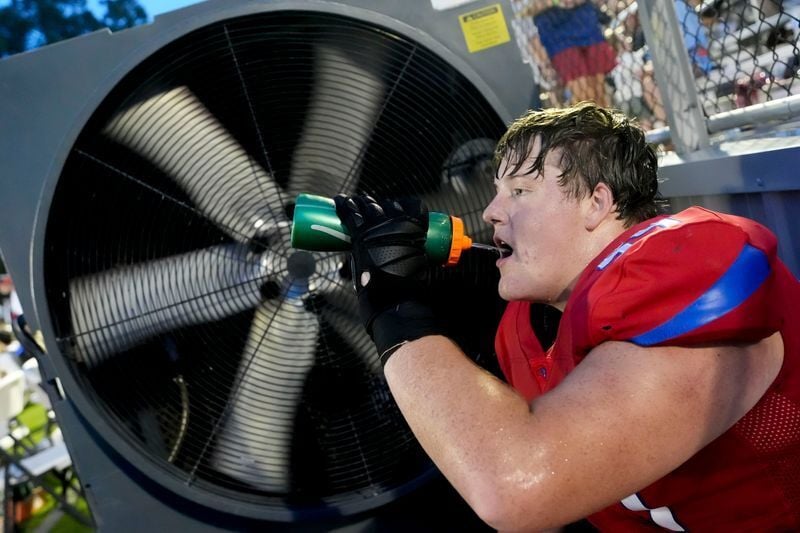
Athletes engaged in high-intensity maneuvers experience a rapid spike in internal body temperature. Without adequate cooling, cognitive function decreases, which elevates the risk of injury on the field. Coaches are now mandated to enforce specific recovery intervals, ensuring players can normalize their heart rates before returning to the action.
Data and statistics on extreme heat
| Condition | Health Risk Level |
|---|---|
| 80°F – 90°F | Moderate Caution |
| 91°F – 103°F | High Caution/Danger |
| 104°F – 110°F+ | Extreme Risk/Emergency |
Background and historical context
Historical trends in Southeastern football show that early-season games have consistently pushed human limits. Since the early 2000s, the expansion of the athletic calendar has forced teams to compete in the hottest weeks of August. This trend has influenced everything from uniform design—which now utilizes advanced wicking fabrics—to the official NCAA guidelines on heat acclimatization for student-athletes.
By the numbers, research suggests that home-field advantage can sometimes be offset by extreme weather if the visiting team is more efficiently acclimated or utilizes better recovery technology. Analysts tracking the latest trends in sports science often note that depth charts become the deciding factor when starters are forced to cycle off the field due to heat exhaustion. This creates an unpredictable environment where bench players suddenly become the difference-makers.
Expert analysis from sports physiologists suggests that the “feels like 110” figure is not just a meteorological observation; it is a critical variable that forces coaching staffs to abandon complex playbooks. Simplified schemes allow players to spend less time in a “high-exertion state,” focusing instead on efficient, high-impact plays that preserve energy. You can see more deep-dive analysis on extreme sports conditions at our dedicated portal.
People Also Ask
What should fans do to stay safe during an Alabama football game in extreme heat?
Fans should drink plenty of water, wear light-colored loose clothing, and utilize designated cooling stations within the stadium. Avoiding alcohol and caffeine is also highly recommended to prevent rapid dehydration.
Why is the Alabama heat index so dangerous for athletes?
High humidity prevents sweat from evaporating efficiently, which means the body cannot cool itself down naturally. This leads to a rapid increase in core body temperature and heightens the risk of heat-related illnesses.
When does the 2026 Alabama football season typically cool down?
While August and early September remain notoriously hot in Tuscaloosa, relief usually begins in late October as the autumn transition brings lower humidity and more comfortable temperatures for outdoor events.
How are high school teams adjusting to the 2026 heatwave?
Many local programs have shifted practice times to the early morning or late evening and have introduced mandatory hydration breaks every 15 to 20 minutes to keep players safe during this intense period.
Final Thoughts
Navigating the Alabama football heat requires respect for the elements and a proactive mindset. Whether you are a dedicated fan cheering from the stands or a spectator tracking the game from home, acknowledging these environmental challenges is part of the modern experience. As the season progresses, we will continue to monitor how these extreme conditions reshape game-day strategy and overall performance across the region.
More Like This
For more updates, check out our latest entertainment and sports news.