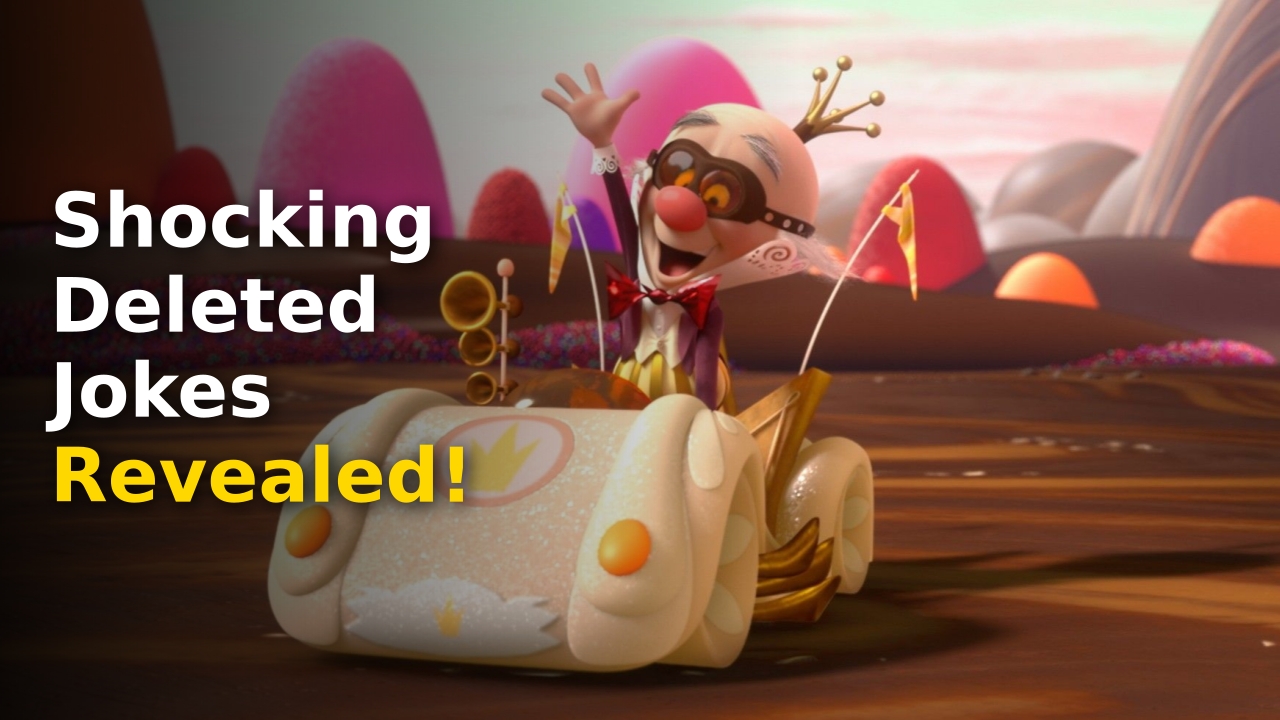
Wreck-It Ralph is widely remembered as a whimsical, family-friendly masterpiece, but you would be stunned to learn it almost included content that would have sparked a massive controversy. During a recent D23 panel, voice acting legend Alan Tudyk pulled back the curtain on a scrapped joke that was so divisive, it was yanked from the final film after just one initial screening.
You likely know Alan Tudyk as the voice behind King Candy, the deceptive antagonist of the 2012 hit. It is hard to imagine a world where the colorful, sugar-coated world of Sugar Rush played host to an adult-oriented pun, yet that is exactly what the creative team dared to test in front of a live audience in Arizona.
The Wreck-It Ralph Controversy
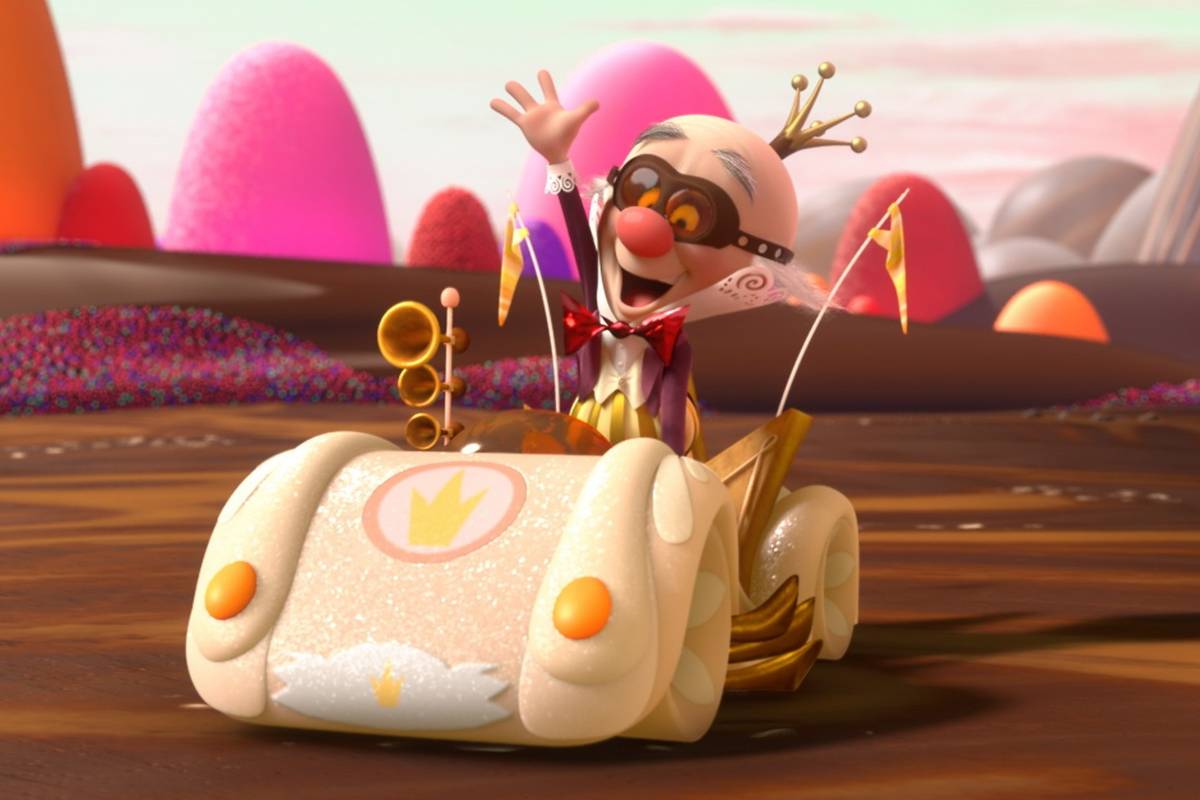
The scene in question occurred as Ralph emerged from the taffy swamp, looking like a terrifying monster. King Candy, attempting to quell the panic of the citizens, delivered a line that director Rich Moore initially thought would land with the crowd. He exclaimed, ‘Stop it! Stop it! Everyone, please, calm down. I don’t want a race riot on my hands. Because it’s a race. And you’re a riot.’
The silence in the theater was deafening, according to Tudyk. While Rich Moore had high hopes for the creative risk, the audience response was non-existent. The realization hit the team instantly: the joke simply did not fit the tone, the character, or the studio’s brand. It was a bold attempt at meta-humor that highlights how much trial and error goes into a $165 million blockbuster.
This moment serves as a rare glimpse into the early drafts of scripts that fans never get to see. Most Disney films undergo dozens of iterations before reaching the screen, but few are so drastically altered due to a singular, awkward silence during a test screening. You can see how the studio pivots when a creative gamble fails to resonate with the target demographic.
For fans who enjoy deep dives into the mechanics of animation, you might want to visit Bright Celebrity to discover more about the secret lives of your favorite voice actors. The industry is full of “what if” scenarios, and this specific cut serves as a testament to the rigorous quality control that maintains Disney’s status at the top of the food chain. Rich Moore eventually moved on to helm other hits, leaving this particular “race riot” joke as nothing more than a curious footnote in Disney history.

The Creative Process
- Director Rich Moore encouraged writers to explore edgy humor.
- Test screenings are the final filter for narrative risks.
- Alan Tudyk has voiced iconic characters in almost every modern Disney hit.
- Arizona test audiences have a major say in final edits.
- Family-friendly branding mandates the removal of overtly adult puns.
- Iconic status requires balancing risk with broad appeal.
More Scrapped Concepts
The controversy didn’t stop with that one line, as animator Eric Goldberg revealed even more disturbing deleted material. Another scene involving King Candy saw him getting consumed and regurgitated by creatures in the film. He later reappears with a bizarre look, which the team jokingly described as a My Little Pony makeover.
The punchline for that sequence was arguably even more jarring for a PG-rated movie. When other characters asked what happened to him, King Candy was scripted to respond, ‘Well, when you pass through someone’s colon several times a day, it changes the person.’ It is truly wild to think that these lines were once considered for a film about a video game character finding his heart.
These deleted scenes demonstrate the gap between a writer’s room and the final theatrical release. Sometimes, humor that is considered clever during brainstorming sessions becomes inappropriate when animated and voiced. The Disney team clearly understood that their core audience deserved a cohesive, charming story over a series of shock-value quips.
You might wonder how many other “lost” jokes exist in the vault. As these Disney Legends continue to share stories, we realize the characters we love were once envisioned in ways that were much darker, weirder, and sometimes downright gross. It brings a new level of appreciation for the editing process that keeps these films polished and timeless.
Even with these cuts, the movie stands as a massive financial titan, earning over $496 million worldwide. Its legacy was further secured by the 2018 sequel, which brought in even more revenue. You are witnessing the evolution of an intellectual property that refuses to take its own success for granted by continuously refining its voice.
Financial Performance Breakdown
| Film Title | Budget | Worldwide Gross |
|---|---|---|
| Wreck-It Ralph (2012) | $165 Million | $496 Million |
| Ralph Breaks the Internet (2018) | $175 Million | $529 Million |
The financial data confirms that sticking to the winning formula was the correct choice. When you look at the critical reception of the franchise, the consensus is clear: audiences prefer the heart-warming journey of Ralph over potential shock humor. The risk-to-reward ratio for these specific jokes was simply too high for the brand, given the family-centric market segment.
When you evaluate the success of John C. Reilly as the voice of the protagonist, it is easy to see why the film connected. His portrayal of a misunderstood arcade villain is grounded and human, despite being trapped in a digital world. The cut jokes would have potentially distracted from this emotional core, making them the right “casualities” of the editing room.
The panel at D23 highlighted that even the biggest stars and creators have moments of failure. It provides a human element to a massive corporation. You are reminded that these legendary figures—like Alan Tudyk—are constantly working to keep the entertainment value high while navigating the strict boundaries of their studio’s reputation.
As you revisit the film on Disney+, keep these tidbits in mind. It gives the viewing experience a fresh perspective, seeing Ralph’s journey through the lens of what could have been. It is a testament to the fact that the most impactful stories are often the ones that are edited down to their most essential, emotional, and pure components.
Final Thoughts
Ultimately, the story of Wreck-It Ralph and its deleted jokes is a fascinating look into the high-stakes world of animated filmmaking. While the “race riot” and “colon” puns were left on the cutting room floor, their existence proves that even the most family-friendly projects start with raw, unfiltered creativity. You now know that Wreck-It Ralph was nearly a very different movie, but you can appreciate the final product for exactly what it is today.
More Like This
For more updates, check out our latest entertainment and sports news.