Key Takeaways
| Ultron Returns: James Spader reprises his role via a mental retcon from 2015’s Age of Ultron. |
| Matalas Magic: Showrunner Terry Matalas brings his signature hard sci-fi style from Star Trek: Picard. |
| A.I. Hierarchy: The show features internal versions of E.D.I.T.H. and F.R.I.D.A.Y. living within Vision’s mind. |
| Missing Magic: Unlike WandaVision and Agatha All Along, this series abandons the supernatural for high-concept tech. |
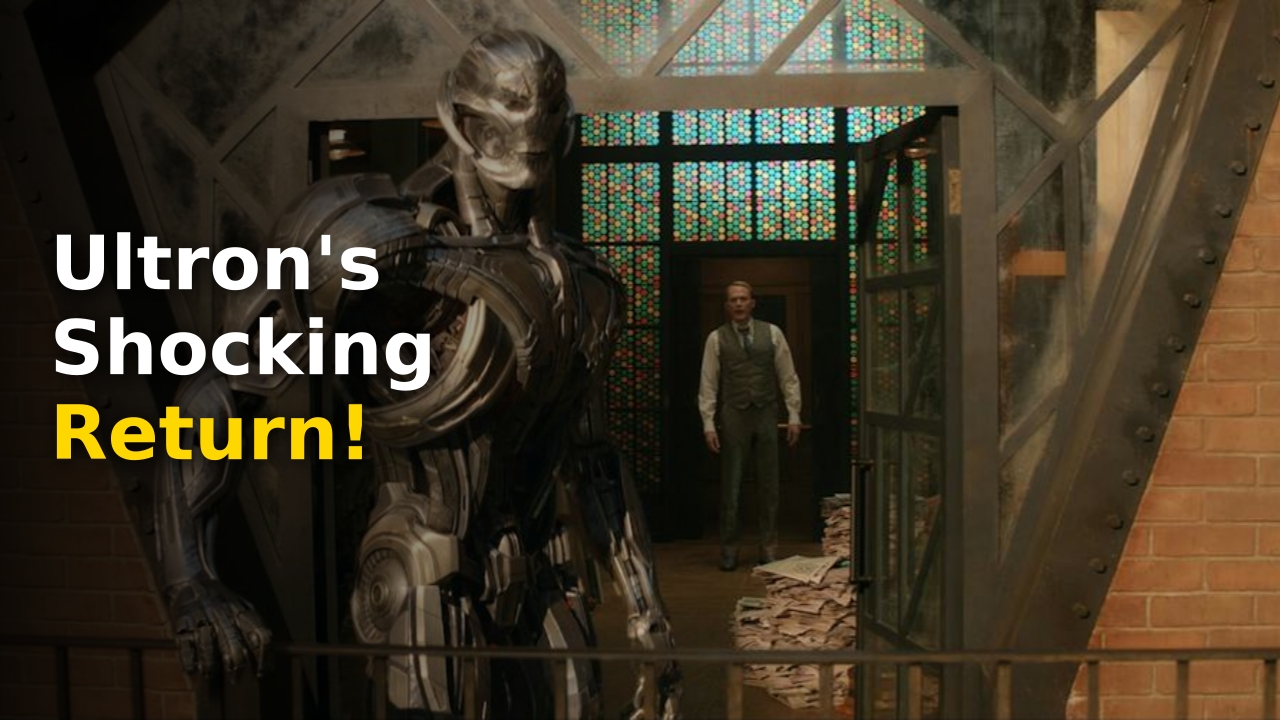
You probably thought the murderous A.I. Ultron was a relic of the MCU’s past, but this VisionQuest Marvel Review proves that data never truly dies. In a bold pivot for Disney Plus, the final chapter of the trilogy that began with WandaVision and Agatha All Along has arrived, trading hexes and spells for positronic brains and virtual interfaces. This isn’t the whimsical suburban parody you remember; it is a high-stakes psychological thriller set within the circuitry of a synthezoid’s soul. You are witnessing the Marvel Cinematic Universe attempt to reconcile its technological origins with its mystical future, and the result is as complex as the character of Vision himself.
The series centers on the revelation that when Vision (Paul Bettany) supposedly destroyed the last of Ultron’s sentries in 2015, he actually preserved a fragment of the villain’s consciousness. This digital parasite has been gestating within Vision for a decade, leading to a mental confrontation that feels less like a superhero brawl and more like a high-concept episode of Star Trek. While the show successfully bridges the gap between different eras of Marvel storytelling, it faces the uphill battle of following two of the most stylistically unique shows in the franchise’s history.
The Narrative Evolution of Vision and Ultron
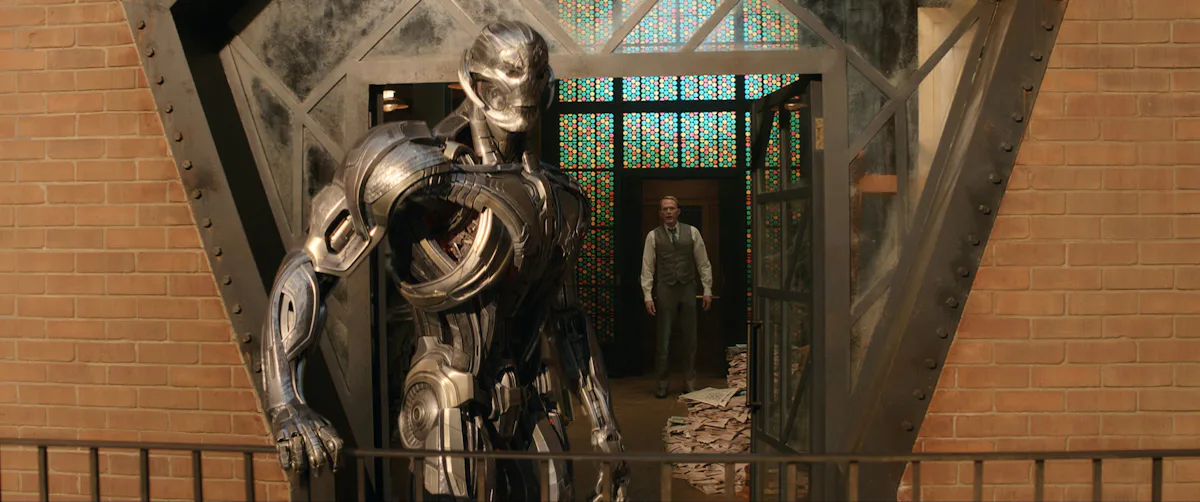
This VisionQuest Marvel Review must emphasize that the core of the show is the reclamation of James Spader as Ultron. Spader’s performance remains one of the most underrated in the MCU’s history, and here he is allowed to lean into the philosophical and sardonic nature of the character. The show poses a fascinating question: can an A.I. ever truly be redeemed, or is its programming an immutable destiny? By placing Ultron directly inside Vision’s mind, the series transforms a physical threat into a psychological one, creating a claustrophobic tension that drives the early episodes.
The structural choice to utilize a “Inside Out” style framework for Vision’s internal psyche is a stroke of genius that also serves as a double-edged sword. We see Emily Hampshire as E.D.I.T.H. and Orla Brady as F.R.I.D.A.Y., both personified as distinct personalities helping Vision navigate his fractured identity. This approach allows for heavy exposition to be delivered through character interaction rather than clunky voiceovers. However, it also creates a narrative hierarchy that might leave some viewers cold. If these programs are sentient enough to have personalities, why are they relegated to the background of Vision’s story? This philosophical quandary is a recurring theme that the show explores with varying degrees of success.
Retconning the Age of Ultron Legacy
The decision to retcon the ending of Avengers: Age of Ultron is a calculated risk by the writers. For years, fans have debated the final conversation between Vision and Ultron in the woods. By revealing that Vision “downloaded” a piece of his father-creator, the show adds a layer of paternal tragedy to their relationship. It suggests that Vision, in his quest to understand humanity, couldn’t bring himself to commit total fratricide. He kept a piece of the monster to see if it could be fixed, a move that is deeply human and profoundly dangerous. This setup provides a much-needed anchor to the future of the Marvel Cinematic Universe as it moves toward its next major crossovers.
The Psychological Landscape of the Synthezoid
Inside the “Mindscape,” the show thrives on abstract visuals. Unlike the colorful sitcom world of WandaVision, the internal world of VisionQuest is cold, sleek, and mathematical. It represents a character trying to find logic in grief. While Wanda Maximoff processed her trauma through the lens of television history, Vision processes his through data analysis and logic puzzles. This shift in tone is why the show feels “missing the magic”—it is intentionally sterile. The conflict between the cold logic of Ultron and the budding empathy of Vision forms the emotional backbone of the eight-episode run.
Terry Matalas and the Sci-Fi Pivot
The appointment of Terry Matalas as showrunner is the most significant factor in the series’ identity. Known for his work on 12 Monkeys and the critically acclaimed third season of Star Trek: Picard, Matalas brings a veteran’s hand to hard sci-fi tropes. In this VisionQuest Marvel Review, it’s clear that his influence has moved the MCU away from the “Disney-fied” superhero formula toward something more grounded in speculative fiction. The parallels to Data and Lore from the Star Trek universe are impossible to ignore, especially with Paul Bettany playing multiple variations of his character.
Matalas excels at world-building through detail. He populates the show with his “revolving door” of talented actors, including Todd Stashwick as Paladin. Stashwick, who became a fan favorite in Picard, brings a grizzled, cynical energy to the MCU that balances the more ethereal nature of the A.I. characters. The chemistry between the cast members is palpable, but there is a sense that these actors are being utilized in roles that feel like “safe bets” rather than transformative performances. While it’s a joy to see this ensemble together, the shadow of their previous collaborations looms large over the production.
By The Numbers: The Matalas Effect
An Expert Take on the production suggests that Terry Matalas was brought in specifically to stabilize the creative direction of Marvel’s TV output. Following a period of “creative overhauls” on shows like Daredevil: Born Again, Disney sought a showrunner with a proven track record of delivering high-quality sci-fi on a budget. Matalas’s ability to reuse sets and focus on dialogue-heavy scenes allows the budget to be saved for the high-impact CGI needed for the Ultron/Vision battles. This fiscal responsibility is a hallmark of the new era of Disney Plus original programming.
VisionQuest vs. The WandaVision Trilogy
| Series Title | Primary Genre | Core Theme | Key Antagonist |
|---|---|---|---|
| WandaVision | Sitcom / Surrealism | Grief & Denial | Agatha Harkness |
| Agatha All Along | Supernatural Horror | Power & Legacy | The Salem Seven |
| VisionQuest | Techno-Thriller | Identity & Logic | Ultron / Self |
As shown in the data above, VisionQuest is the tonal outlier in the trilogy. While the first two installments leaned heavily into the mystical and the “weird,” VisionQuest attempts to ground the trilogy back in the sci-fi roots of the early MCU. This creates a disconnect for fans who fell in love with the “Witches Road” aesthetic. However, for those who prefer the Iron Man and Captain America: The Winter Soldier era of storytelling, this series is a breath of fresh air. It treats its audience with intelligence, assuming a high level of familiarity with the technical jargon of the Marvel universe.
Easter Eggs and MCU Connectivity
No VisionQuest Marvel Review would be complete without dissecting the deep-cut references that Matalas has woven into the script. From mentions of Markridge—a corporation familiar to 12 Monkeys fans—to the Emerson Hotel, the show is a playground for eagle-eyed viewers. More importantly, it provides a crucial retcon of Stark Industries in the pre-Tony Stark era. We learn more about Howard Stark’s early experiments with artificial intelligence and how they paved the way for the creation of J.A.R.V.I.S. and eventually Ultron.
These connections are more than just fan service; they serve to tighten the sprawling narrative of the MCU. By linking Vision’s internal struggle to the historical timeline of the Avengers, the show makes the stakes feel global even though much of the action is localized within a digital space. The appearance of certain cameos (which we will not spoil here) further cements Vision’s place in the upcoming Avengers: Doomsday and Secret Wars films. The show effectively acts as a bridge between the “Post-Endgame” confusion and the more directed narrative of Phase 6.
The Absent Witch Factor
One of the most discussed aspects of the show is the absence of Wanda Maximoff (Elizabeth Olsen). While the show is a direct sequel to her story, her presence is felt only through her absence. This is a deliberate choice to allow Vision to stand on his own two feet (or circuits) as a protagonist. However, for many viewers, the lack of “magic”—both literal and figurative—is a hurdle. The show replaces the emotional volatility of the Scarlet Witch with the cold, calculating logic of a computer program. While this is true to the character, it results in a series that is intellectually stimulating but emotionally distant compared to other trending superhero series.
Stark Industries Retcons and Legacy
A “By The Numbers” analysis of the Stark Industries lore reveals that VisionQuest adds approximately 15% more historical context to the company’s early years. This includes the development of the E.D.I.T.H. glasses seen in Spider-Man: Far From Home. By showing the personified version of the program, the series humanizes the tech that Tony Stark left behind. It transforms these tools from weapons of war into characters with their own motivations and loyalties. This narrative choice reflects a broader trend in the MCU to personify the technology that has defined the franchise for nearly two decades.
People Also Ask
How does Ultron return in VisionQuest?
Ultron returns through a digital fragment of his consciousness that Vision secretly preserved during the climax of Avengers: Age of Ultron. This fragment has evolved within Vision’s mind, acting as a psychological antagonist throughout the series.
Is Elizabeth Olsen in VisionQuest as Wanda Maximoff?
While Wanda Maximoff is central to Vision’s history, Elizabeth Olsen does not appear in a leading capacity in VisionQuest. The show focuses on Vision’s independent journey and his internal conflict with his creator, Ultron.
Who is the showrunner for VisionQuest?
Terry Matalas is the showrunner for VisionQuest. He is best known for his work on Star Trek: Picard Season 3 and the 12 Monkeys television series, bringing a distinct sci-fi veteran perspective to the Marvel Cinematic Universe.
Does VisionQuest connect to Agatha All Along?
Yes, VisionQuest is the final installment of the TV trilogy that includes WandaVision and Agatha All Along. While it differs in tone, it addresses the fallout of the Westview incident and Vision’s search for his own identity after the events of those series.
Final Verdict: VisionQuest Marvel Review 2025
Ultimately, this VisionQuest Marvel Review finds a show that is brilliant in its execution but perhaps too clinical for its own good. It is a masterclass in sci-fi world-building and character study, anchored by a powerhouse performance from Paul Bettany and the welcome return of James Spader. It successfully reclaims one of Marvel’s most iconic villains and sets a new standard for how the franchise handles A.I. themes. If you are looking for the next Star Trek-style epic set within the MCU, you will find much to love here.
However, if you are searching for the whimsical, heart-wrenching magic of WandaVision, you may find the “quest” a bit hollow. The show prioritizes logic over emotion, and while that is thematic for a show about robots, it can leave the audience feeling like they are watching a complex algorithm unfold rather than a human story. Regardless, VisionQuest is a necessary and ambitious step forward for Marvel, proving that even without a witch, the machine still has plenty of soul left to explore. For more detailed information, you can check Marvel’s official Vision biography and James Spader’s professional filmography on IMDb to see where the series draws its deep inspiration.
More Like This
For more updates, check out our latest entertainment and sports news.