Key Takeaways
| The historic Torsö runt regatta has seen a 200% increase in boat entries year-over-year. |
| Organizers at Mariestads SK are targeting aggressive growth to double participation annually. |
| The event traces its roots back to 1937, serving as a pillar of regional Swedish maritime culture. |
| Modernization efforts and strategic outreach are reversing decades of declining interest in local competitive sailing. |
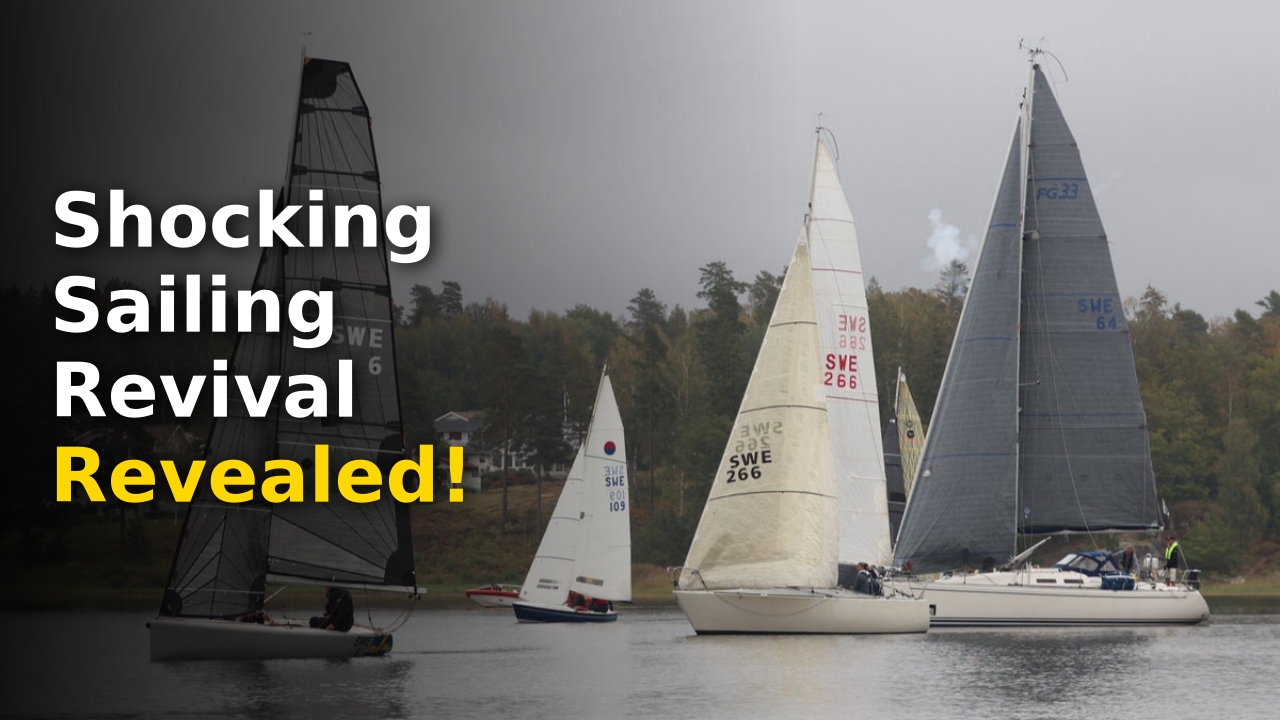
You might think traditional maritime events are fading away, but Torsö runt has officially defied the odds, proving that a storied legacy can indeed find new life. As the local sailing community in Mariestad rallies behind this historic competition, the surge in participants signals a major shift in how regional sports are being revitalized. With the Torsö runt regatta jumping from just seven boats to over twenty in a single year, the momentum is impossible to ignore.
For decades, competitive sailing faced a steady decline in popularity, mirroring a global trend where traditional regattas struggled to maintain relevance. However, the leadership at Mariestads Segelsällskap (MSK) has implemented a aggressive, forward-thinking strategy. By focusing on accessibility and community engagement, the organizers have effectively bridged the gap between historical prestige and modern athletic participation.
The Strategic Revival Of Torsö runt
The transformation of Torsö runt did not happen by accident. Under the stewardship of board chairman Jimmy Söderberg, the organization set clear, quantifiable benchmarks designed to pull the event out of stagnation. The goal is simple yet ambitious: double the number of participating vessels for two consecutive years.
Achieving this growth requires more than just goodwill; it demands a overhaul of how the race is marketed to younger generations. The transition from a local “classic” to an active, growing regatta is a masterclass in grassroots sports management. By leveraging the natural beauty of the Torsö region, MSK has positioned the race as a must-attend event for both professional sailors and enthusiastic hobbyists.

The organizational shift focuses on reducing entry barriers that previously hindered participation. In the past, complex registration processes and a lack of digital infrastructure kept potential sailors away. Today, the focus is on streamlined digital access, ensuring that every sailor—from the seasoned veteran to the newcomer—can participate with ease.
Community Impact And Regional Growth
The success of the race ripples far beyond the water. As more boats hit the starting line, local commerce in Mariestad experiences a tangible boost. Hotels, restaurants, and marine maintenance providers all benefit from the influx of participants and spectators drawn to the spectacle.
- Increased regional tourism during the race weekend.
- Strengthened local sailing school enrollment.
- Revitalized interest in Swedish maritime history.
- Increased revenue for local marine service businesses.
Competitive Data And Historical Participation
Understanding the current resurgence requires looking at the raw data. The leap from seven boats in 2025 to over twenty marks a significant turning point in the event’s timeline. While the peak years of the mid-20th century saw over 200 boats on the water, the current recovery is arguably more impressive given the modern competition for leisure time.
| Era/Year | Approximate Entries | Status |
|---|---|---|
| 1937 | Historic Start | Inception |
| Mid-20th Century | 200+ | Peak Era |
| 2025 Start | 7 | Recent Low |
| Current Trend | 21+ | Active Growth |
The Cultural Legacy Of Swedish Sailing
The history of Torsö runt is deeply intertwined with Sweden’s broader maritime identity. Since its inception in 1937, the race has been more than just a competition; it has been a test of skill against the unique, often challenging conditions of Lake Vänern. Preserving this heritage is a key driver for the current volunteers at MSK.
Expert analysis suggests that for legacy events like Torsö runt to survive, they must evolve from static historical markers into dynamic platforms for modern sailors. The current leadership at MSK has moved away from the “exclusive club” mentality that plagued many European sailing organizations during the late 90s and early 2000s. By opening the race to a wider variety of vessel classes, they are fostering a culture of inclusivity.

By The Numbers: The sustainability of this growth relies on a 3-to-1 conversion rate—turning spectator curiosity into registered participants. If MSK can maintain this, the event could reach 60-80 vessels by 2027, effectively restoring the race to its status as a marquee event in the Swedish sailing calendar. This model is currently being studied by other regional sports organizers looking to reverse similar trends in their own locales.
People Also Ask
What happened with Torsö runt today?
Torsö runt has successfully managed a significant rebound in participation, growing from only seven boats at the 2025 start to over twenty entries for the current season.
Why is Torsö runt trending right now?
The regatta is trending due to its dramatic turnaround in participation numbers, which serves as a rare success story for traditional, locally organized sports in Sweden.
How does this affect regional tourism in Mariestad?
The surge in sailing interest brings increased foot traffic, bookings for local accommodations, and higher demand for services, directly benefiting the Mariestad local economy.
When did the Torsö runt regatta begin?
The Torsö runt competition has a long history, having been established in 1937 as a cornerstone of the regional maritime calendar.
The Future Of Competitive Sailing
As we look toward the next chapter for Torsö runt, the focus will undoubtedly remain on balancing tradition with necessary innovation. The path forward is clear: continue the aggressive recruitment, invest in digital communication tools, and ensure the event remains a welcoming environment for all skill levels. If the trend holds, the regatta will not just return to its former glory, but potentially define a new era for local water sports.
Ultimately, the success of the Torsö runt revival offers a blueprint for any legacy project looking to capture a modern audience. By respecting the past while aggressively targeting future growth, MSK has proven that the spirit of competition in Mariestad is very much alive and sailing toward a brighter, more crowded horizon.
More Like This
For more updates, check out our latest entertainment and sports news.