Key Takeaways
| Childhood Trauma | O’Connell endured bullying and terror, using food as a psychological refuge. |
| Religious Symbolism | He famously identified a supermarket sausage as the physical manifestation of his own soul. |
| Culinary Awakening | A visceral moment on a railroad bridge solidified his belief that food and sex are intrinsically linked. |
| Hidden Underbelly | The memoir reveals the stark contrast between his whimsical Inn at Little Washington and his difficult past. |
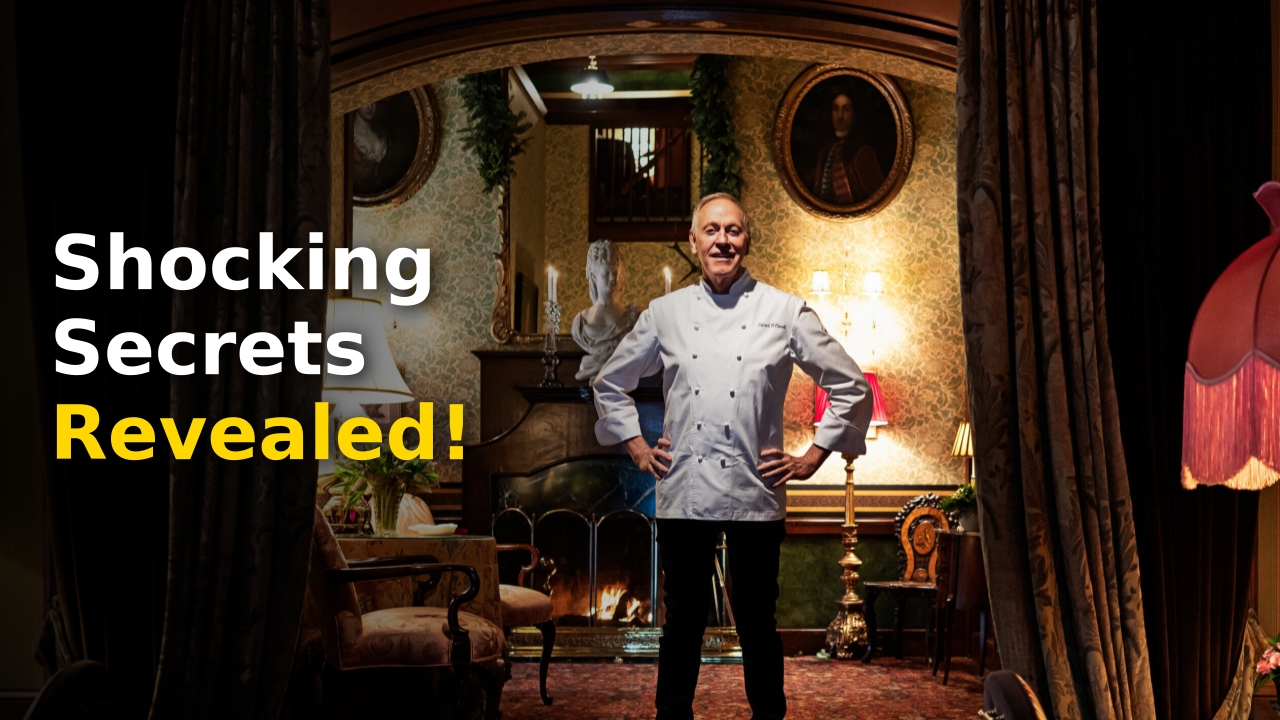
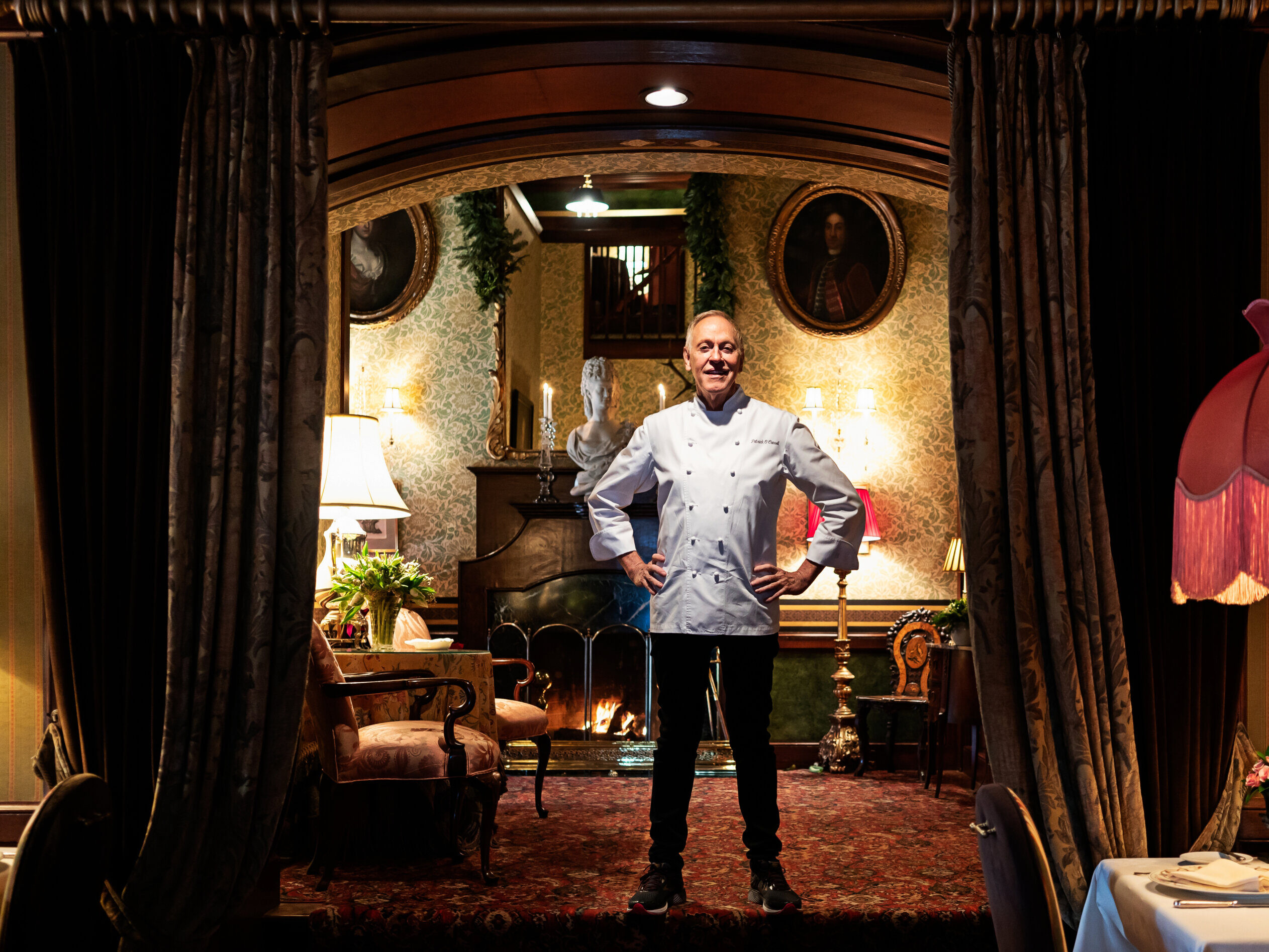
Patrick O’Connell memoir details regarding his early life and the origins of his hospitality empire reveal a man shaped by profound contradictions. You likely know the mastermind behind The Inn at Little Washington as a titan of luxury, but his new book, Main, Middle & Gay, pulls back the curtain on a life defined by terror, beauty, and a singular obsession with the power of food.
For decades, the Michelin-starred chef has built a brand of whimsical perfection in Virginia, yet his journey began in the shadow of primitive rural poverty. This narrative transition from a bullied child in Clinton, Maryland, to a global culinary icon provides the backbone for one of the most eccentric memoirs of the decade.
Understanding Patrick O’Connell Memoir Details
The core of Patrick O’Connell memoir details lies in his early psychological reliance on sustenance as a shield against the world. O’Connell recounts a childhood marked by recurring nightmares about the wolf from Little Red Riding Hood, a fear so potent that it defined his relationship with the world around him. While his peers saw fairy tales, O’Connell saw a masterclass in using food to fend off predators.
This defensive mechanism transformed into a lifelong philosophy. He perceived food not merely as fuel but as a tactile, sensual experience capable of healing deep-seated trauma. The memoir explores how he found refuge in the kitchen, a space he would eventually command with unparalleled authority.
His religious upbringing further warped his perception of the physical world. He describes the Catholic influence of his youth, where the concept of the soul was a constant source of anxiety. In a moment of pure, raw epiphany, he identified Gwaltney’s bulk country sausage as the exact physical representation of his own soul, citing its size and texture as the perfect fit for the human chest.
These anecdotes are not just stories; they are the foundation of his aesthetic. O’Connell’s insistence on the sensuality of ingredients stems from this early need to find something tangible and good in an environment he found frightening. It is this unique perspective that distinguishes him from his contemporaries in the haute cuisine world.
The Intersection of Food and Desire
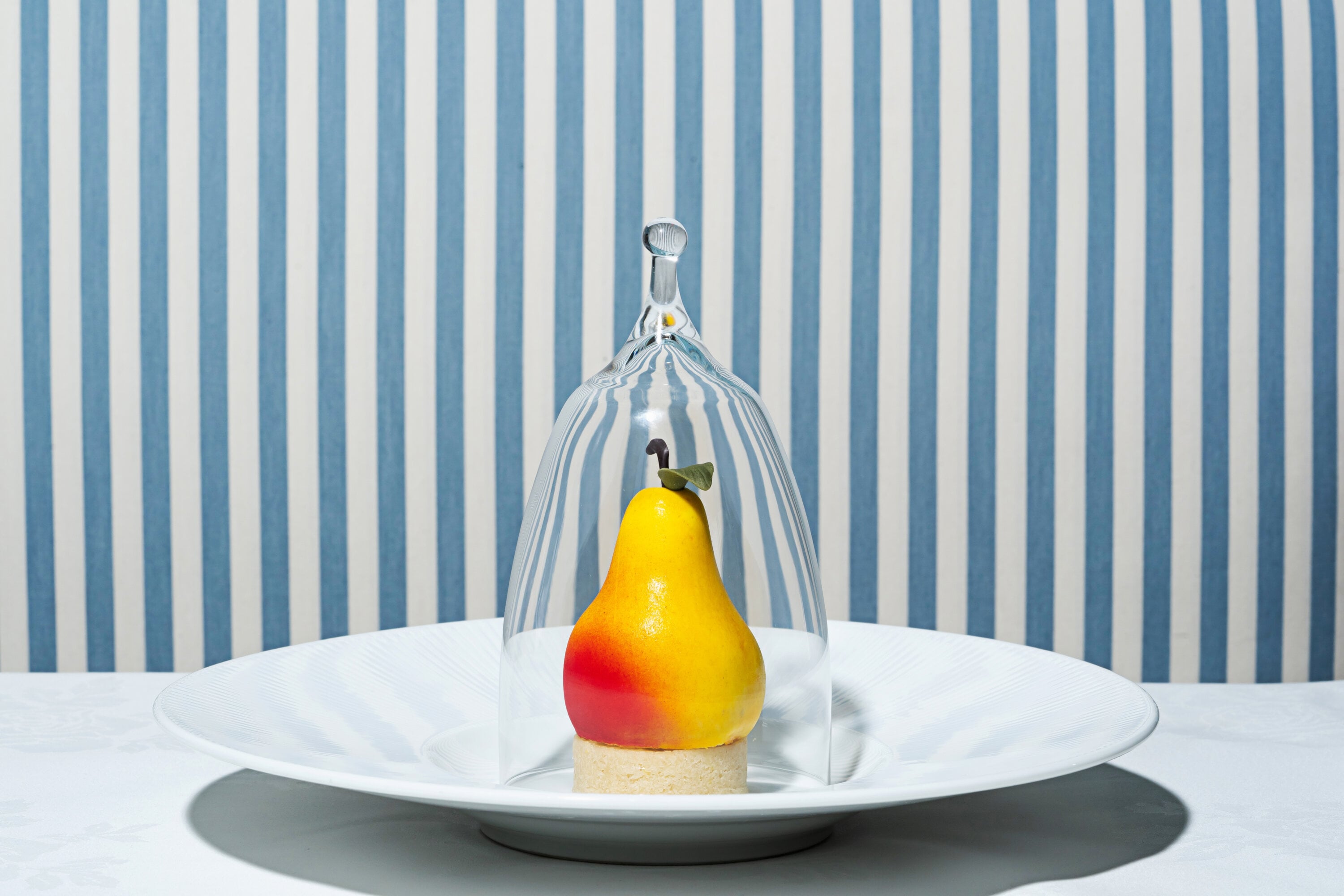
The most eyebrow-raising admission in his book involves a college-era experience on a Brookland railroad bridge. While consuming a succulent pear, the sensory intensity combined with a rumbling train triggered a spontaneous physical response. O’Connell frames this as the moment he realized the absolute, undeniable link between gastronomy and human sexuality.
He frequently pushes back against the puritanical view of dining, often bristling when guests describe a meal as ‘better than sex.’ To O’Connell, the two are not in competition; they are part of the same human spectrum of pleasure. This philosophy informs every plate served at The Inn at Little Washington, where the atmosphere is designed to be an immersive, theatrical experience.
Culinary History by the Numbers
| Era | Location | Key Influence |
|---|---|---|
| 1950s | Clinton, MD | Catholic imagery and fear |
| 1960s | DC Area | Gurus, outcasts, and crime |
| 1970s | Three Thieves Restaurant | Living theater and high society |
This historical trajectory illustrates how a young man from a rural town integrated himself into the fabric of elite DC society. From his early days at the Three Thieves, where power brokers like Jimmy Hoffa dined, to the creation of his own hospitality fiefdom, O’Connell has always occupied the space between the facade and the underbelly.
Background and Context of the Inn
Today, The Inn at Little Washington is a destination defined by its surrealist charm and high-end amenities. Whether it is the garden of scents or the chandelier-adorned chicken coop, the town is a meticulously crafted escape. However, O’Connell is quick to clarify that this is not a Disney-like facade. He describes it as ‘life as it ought to be,’ a reality that he has built to contrast the harshness of his early years.
His family’s signature dish—the infamous ‘Little Nancy Etticoat’ salad—serves as a poignant metaphor for his past. Featuring a banana, a pineapple ring, and a heavy dollop of mayonnaise, the dish was served to guests with absolute innocence. O’Connell, however, viewed it as a bizarre, haunting sculpture that reflected the lack of consciousness in his upbringing. It is a perfect example of the disconnect between his family’s reality and his own artistic, often rebellious mind.
You can find more in-depth reviews of regional culinary legends on Bright Celebrity, where we track the impact of chefs on local culture. It remains clear that O’Connell’s influence extends far beyond the kitchen, touching on themes of identity, sexuality, and the American dream. For more context, Forbes’ analysis of the hospitality industry provides a wider look at the economic power wielded by high-end restaurateurs.
People Also Ask
What is the focus of Patrick O’Connell’s new memoir?
The memoir, titled Main, Middle & Gay, chronicles O’Connell’s transition from a bullied, isolated childhood in Maryland to his status as a renowned chef, focusing on the intersection of trauma, food, and sexuality.
Why does Patrick O’Connell link food and sex?
O’Connell believes the two experiences are inextricably linked due to their shared ability to provide intense, uninhibited sensory pleasure, a realization he traces back to a formative moment in his youth.
How does The Inn at Little Washington reflect his past?
The Inn acts as a meticulously curated refuge that represents the antithesis of his frightening, primitive childhood, functioning as a ‘happy Never-Never Land’ he created for himself and his guests.
What does the sausage represent in his book?
In the memoir, O’Connell describes a supermarket sausage as the physical manifestation of his own soul, finding comfort in the idea that his sins could be erased and his soul maintained.
Final Thoughts
Exploring Patrick O’Connell memoir details is an exercise in understanding how trauma can fuel artistic genius. His ability to turn fear into beauty and to see the profound in the mundane—like a simple sausage or a pear—explains why his restaurant remains a cultural touchstone. Whether you visit the Inn for the food or the theater, you are ultimately participating in a life’s work that is as complex and layered as the cuisine itself. For more, explore our archives on Bright Celebrity and see Wikipedia’s overview of The Inn at Little Washington for further history.
More Like This
For more updates, check out our latest entertainment and sports news.