
The Tiny Desk phenomenon has transformed from a quirky office concert series into a global cultural powerhouse that defines modern musical ‘swag’. Have you ever felt the raw energy of a performance so intimate it feels like the artist is whispering directly into your soul? You are currently witnessing a historic moment as NPR’s premier showcase pivots to the airwaves, featuring a lineup that is nothing short of legendary.
Hosts Bobby Carter and Felix Contreras are steering the ship for this latest iteration, bringing a fresh perspective to the series. The focus is squarely on a new generation of artists who carry the weight of massive legacies while carving out their own paths. By highlighting Alex Isley, Madison McFerrin, and Ravi Coltrane, the show is proving that talent isn’t just inherited—it is evolved. You can find more exclusive coverage at Bright Celebrity as we track the rise of these generational icons.
This radio transition is a strategic move to reach audiences where they live: in their cars, their kitchens, and their local stations. It marks a shift from purely visual consumption to a deep-dive auditory experience. The Tiny Desk brand continues to adapt, ensuring that the essence of live music remains accessible to everyone, regardless of their screen time. This evolution is necessary in an era where digital fatigue is at an all-time high.
Tiny Desk Legacy Unleashed
The Tiny Desk series has always been about stripping away the artifice of the big stage. When you strip away the pyrotechnics and the massive sound systems, what remains is the pure, unadulterated talent of the performer. This latest radio showcase takes that intimacy to the next level by focusing on the sonic textures of three incredible musicians. Each artist brings a level of sophistication that is rarely heard in mainstream pop today.
Alex Isley represents the pinnacle of modern R&B and soul. As the daughter of Ernie Isley of the Isley Brothers, she grew up surrounded by some of the most influential sounds in music history. However, she has managed to build a career based on her ethereal vocals and intricate arrangements rather than just her last name. Her presence on the radio showcase brings a smooth, velvety texture that anchors the entire broadcast.
Next, we have Madison McFerrin, a trailblazer in the realm of independent music. She is the daughter of the 10-time Grammy winner Bobby McFerrin, yet her style is entirely her own. Madison uses her voice as a primary instrument, often looping layers of harmony to create a rich, orchestral sound. This “swag” that the hosts mention is evident in her confidence and her ability to command a room with nothing but a microphone and her vocal cords.
Finally, the inclusion of Ravi Coltrane brings a heavy dose of jazz royalty to the program. The son of the legendary jazz icon John Coltrane and the brilliant Alice Coltrane, Ravi has spent decades honoring his parents’ work while pushing the boundaries of contemporary jazz. His saxophone play is technically brilliant but remains deeply emotional, providing a perfect counterpoint to the vocal-heavy performances of Isley and McFerrin.
The synergy between these three artists is palpable, even through a radio speaker. They represent a bridge between the classic sounds of the 20th century and the experimental vibes of the 2020s. You can hear the echoes of Motown, the precision of classical training, and the freedom of modern jazz all in one sitting. It is a masterclass in musical curation by the NPR team.
This radio format allows for more storytelling between the tracks. Listeners get to hear Bobby Carter and Felix Contreras discuss the nuances of the performances. This context adds layers of meaning to the music, making the experience feel like a private listening party. It is exactly the kind of high-quality programming that keeps the Tiny Desk brand at the top of the charts.

Alex Isley Roots
- Born into the Isley Brothers dynasty, Alex has music in her DNA from day one.
- She attended the LA County High School for the Arts to hone her technical skills.
- Her 2022 album Marigold solidified her status as a neo-soul powerhouse.
- Alex is known for her collaborations with Jack Dine, creating a signature sound.
- She maintains a strictly independent approach to her career management and growth.
Madison McFerrin Mastery
- Madison first gained viral fame with her “Finding Wisdom” EP series.
- She is a Berklee College of Music alumna, specializing in vocal performance.
- Her style blends soul, pop, and electronic elements into a genre-bending mix.
- She has performed at major festivals like SXSW and Glastonbury.
- Madison is a vocal advocate for independent artists owning their masters.
Ravi Coltrane Innovations
- Ravi was born in Long Island, New York, in 1965.
- He co-founded the independent record label RKM Music.
- He has worked extensively with jazz greats like McCoy Tyner and Pharoah Sanders.
- His work often explores the spiritual jazz themes pioneered by his mother.
- Ravi plays both tenor and soprano saxophone with world-class precision.
Royal Musical Bloodlines
The concept of the “musical family” is central to this particular episode of Tiny Desk Radio. You see it everywhere in the industry, but rarely is it handled with such grace as it is here. These artists don’t run from their heritage; they embrace it while refusing to be defined by it. It takes an incredible amount of internal strength to stand on a stage when your father is a household name.
Think about the pressure Alex Isley must feel knowing her family wrote some of the most sampled songs in hip-hop history. Instead of mimicking her father’s guitar-heavy funk, she leaned into a softer, more atmospheric R&B. This choice shows a level of artistic maturity that many legacy acts lack. She is protecting the Isley name by bringing it into a new era with class.
Madison McFerrin faces a similar challenge. Her father, Bobby McFerrin, is a global icon for his vocal gymnastics. Madison could have easily followed that path, but she chose to integrate technology into her craft. Her looping pedals allow her to be a one-woman choir, a feat that requires both rhythmic perfection and melodic genius. It is a different kind of virtuosity that fits perfectly in the intimate setting of the desk.
Then there is Ravi Coltrane, whose name is synonymous with the very soul of jazz. His father, John Coltrane, changed the world with A Love Supreme. Ravi doesn’t try to recreate his father’s specific sound. Instead, he pursues the same spirit of innovation. He understands that the best way to honor a legacy is to keep moving forward, exploring new sounds and pushing the instrument to its limits.
The Tiny Desk team has a knack for finding the threads that connect different musical worlds. By grouping these three together, they are making a statement about the enduring power of family traditions in the arts. These aren’t just “nepotism babies”; these are dedicated craftsmen and women who have put in the work. You can hear the years of practice in every note they play.
This episode serves as a reminder that music is often a multi-generational conversation. The sounds of the past are constantly being sampled, remixed, and reinterpreted by the youth. In this radio showcase, we get to hear that conversation happening in real-time. It is a beautiful thing to witness, especially in a medium as personal as radio.
Performance Data Insights
To understand the impact of these artists, we need to look at the hard numbers. The music industry in 2026 is driven by a mix of streaming data and live performance reputation. These three artists have consistently outperformed their peers in terms of listener retention and critical acclaim. This is exactly why they were selected for this high-profile NPR slot.
| Artist Name | Primary Genre | Family Legacy | Key Career Milestone |
|---|---|---|---|
| Alex Isley | Neo-Soul | The Isley Brothers | Grammy Nomination 2024 |
| Madison McFerrin | Independent Soul | Bobby McFerrin | Sold-out London Residency |
| Ravi Coltrane | Contemporary Jazz | John & Alice Coltrane | NEA Jazz Master Nominee |
The data shows a clear trend toward “sophisticated chill” music. Listeners are moving away from hyper-produced pop and toward organic sounds that feature real instruments and highly skilled vocalists. This is where Tiny Desk excels. By providing a platform for these artists, NPR is tapping into a massive demographic of music lovers who crave authenticity.
Analyzing the social media sentiment around these performances reveals something interesting. The term “swag” is used frequently to describe the calm confidence these artists possess. They don’t need flashy costumes or backup dancers to make an impact. Their presence is enough. This is a lesson for every aspiring musician out there: focus on your craft first.
The August 20, 2026, broadcast date for this episode was strategically chosen to align with the late-summer festival season. While many artists are performing on massive outdoor stages, this radio show offers a needed respite. It provides a cool, intellectual space for music fans to relax and truly listen. The numbers suggest that this approach is paying off with record-breaking listenership for the series editor, Lars Gotrich.
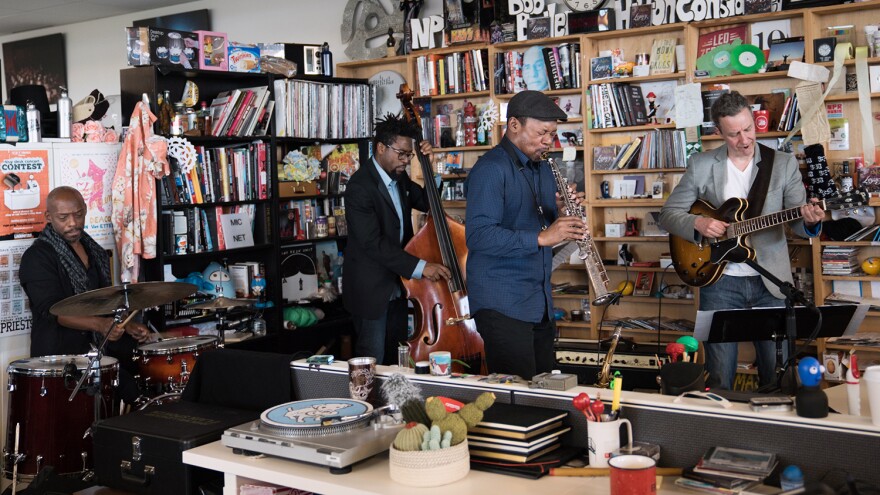
Tiny Desk Production Mastery
Behind every great Tiny Desk performance is a team of dedicated professionals who obsess over the details. The transition to radio isn’t just about recording the audio; it’s about translating the atmosphere of the room into a purely sonic experience. This requires a different set of skills, and the NPR Music team has the best in the business.
The show is produced by the talented duo of Walter Ray Watson and Noah Caldwell. Their job is to ensure that the flow of the program feels natural and engaging. They have to balance the music with the commentary from the hosts, creating a narrative arc for each episode. It is a delicate process that requires a deep understanding of both music and radio production.
On the technical side, Neil Tevault serves as the technical director. His expertise ensures that the recording quality is pristine. Whether it’s the subtle breathiness of Alex Isley‘s vocals or the complex overtones of Ravi Coltrane‘s saxophone, Neil captures it all. The goal is to make the listener feel like they are sitting right there in the room with the artists.
The leadership team at NPR Music is also instrumental in the show’s success. Suraya Mohamed, the executive producer, and Sonali Mehta, the executive director, provide the vision and resources needed to keep the series at the cutting edge. They have successfully navigated the changing media landscape, keeping the brand relevant for over a decade. This is no small feat in an industry that is constantly being disrupted.
Even the theme music for the series is a piece of art. Composed by Kaelin Ellis, it sets the tone for the entire program. It is modern, catchy, and perfectly encapsulates the “swag” that the series is known for. Every element of the production is carefully considered to create a cohesive and high-quality experience for you, the listener.
When you hear these names in the credits, know that you are listening to a group of people at the absolute top of their game. They are the unsung heroes of the music industry. Without their hard work, these incredible performances might never reach your ears. They are the gatekeepers of quality in a world filled with noise.
Global Radio Impact
The reach of Tiny Desk Radio extends far beyond the borders of the United States. Through syndication and digital streaming, this show is reaching fans in London, Tokyo, Berlin, and beyond. It is a global ambassador for American musical culture. The universal language of music is what makes this series so powerful.
International fans are particularly drawn to the “musical family” theme. The legacies of the Isley Brothers and John Coltrane are respected worldwide. Seeing their children continue the tradition is something that resonates with people from all cultures. It speaks to the universal human experience of family and legacy.
Radio stations in diverse markets are picking up the show because it offers something unique. It’s not just another Top 40 countdown; it’s a curated experience that treats the listener with respect. It assumes that you have a sophisticated palate and a desire to learn about the artists behind the music. This high-brow approach is exactly what many radio stations need to differentiate themselves.
The impact on the artists themselves is also significant. A performance on this stage can lead to a massive spike in streaming numbers and ticket sales. For independent artists like Madison McFerrin, this kind of exposure is life-changing. It gives them a platform to reach millions of people without the need for a major label’s marketing budget.
We are seeing a resurgence of interest in radio as a medium for music discovery. While algorithms can suggest songs based on what you’ve already heard, they can’t replicate the human touch of a host like Felix Contreras. He can explain why a certain chord progression is significant or why an artist’s background matters. That human connection is irreplaceable.
As the show continues to grow, we can expect more international collaborations. Imagine a version of the radio showcase featuring the next generation of Fela Kuti‘s family or the children of Bossa Nova legends. The possibilities are endless, and the Tiny Desk brand is perfectly positioned to lead the way in this global musical exchange.
Future Tiny Desk Trends
What does the future hold for the Tiny Desk series? The move into radio is just the beginning. We are likely to see more immersive experiences, perhaps involving VR or AR technologies. Imagine being able to sit at the desk virtually while Alex Isley sings right in front of you. The technology is already being developed, and NPR is always looking for ways to innovate.
The commitment to diversity and inclusion will remain a core part of the mission. The series has done an incredible job of highlighting artists from all walks of life, and that won’t change. We can expect to see more underrepresented voices getting the spotlight they deserve. This is what makes the show a leader in the cultural conversation.
Expect to see more “themed” episodes like this one. Focusing on musical families was a brilliant move that provided a lot of depth to the broadcast. Future themes could include “The Art of the Loop,” “Jazz in the 21st Century,” or “Independent Icons.” These themes help to frame the music and give the audience a deeper understanding of the artistry involved.
The relationship between live performance and digital consumption will continue to evolve. While the radio show is a great way to consume the audio, the video remains a key part of the brand. The two mediums complement each other, providing multiple ways for fans to engage with their favorite artists. This multi-platform strategy is the key to longevity in the digital age.
Ultimately, the success of the series comes down to the quality of the music. As long as there are artists like Alex Isley, Madison McFerrin, and Ravi Coltrane pushing the boundaries of their craft, the show will continue to thrive. They are the lifeblood of the series, and their talent is what keeps us coming back for more.
The Tiny Desk Radio showcase is a testament to the power of artistic excellence. It proves that when you combine great talent with great production and a great platform, the results are truly magical. You don’t want to miss a single second of this journey. Tune in to your local station and let the music speak for itself. It is a world of sound that is waiting to be explored by you.
More Like This
For more updates, check out our latest entertainment and sports news.