Key Takeaways
| Poor Pacing: The film fails to establish genuine scares despite its premise. |
| Writing Flaws: Critics highlight thin character development and implausible acting. |
| Practical Effects: Real animals and physical sets provide a rare visual highlight. |
| Derivative Twist: The ending mirrors themes found in 2003 French cinema. |
Charlie Shaw’s Revenge review outcomes have hit the industry hard, revealing a production that struggles to find its footing among modern slasher competition. If you were expecting a breakout horror hit, the latest project centered on a murderous amusement park clown falls short of even the most basic genre expectations. While the film attempts to capitalize on the popularity of creepy clown tropes, it unfortunately lacks the visceral punch needed to captivate an audience in the current 2026 theatrical landscape.
The narrative centers on a struggling theme park where the staff becomes trapped in a deadly game of cat and mouse. While the premise offers significant potential for high-octane suspense and creative kills, the execution remains painfully thin. The film’s inability to deliver a genuinely terrifying experience leaves viewers feeling detached from the carnage on screen, resulting in a project that feels more like a student exercise than a polished, professional feature.
Charlie Shaw’s Revenge Review Analysis
The primary critique of this production lies in its fundamental lack of atmosphere. A successful horror movie doesn’t necessarily require a groundbreaking script, but it does demand a commitment to being either disgusting, funny, or genuinely unnerving. Charlie Shaw’s Revenge, however, fails to land on any of these tonal targets, leaving the audience in a strange, lukewarm void where the scares never materialize. 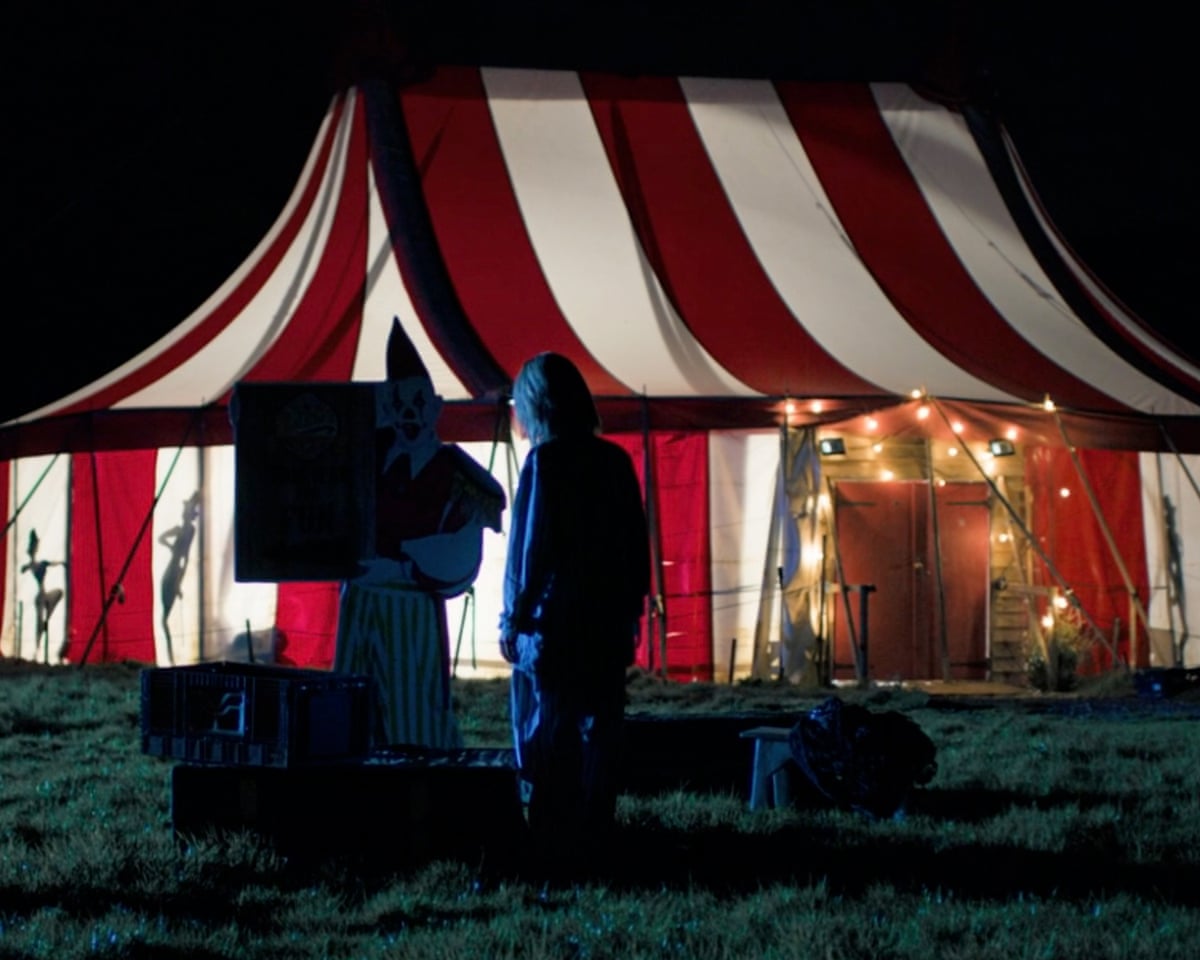
Despite the shortcomings in tension, the technical side of the film deserves a modicum of credit. In an era dominated by heavy green-screen usage and rushed CGI, the director’s decision to utilize real locations and genuine animals adds a textured, tactile quality to the environment. It is refreshing to see practical filmmaking, though even the best physical sets cannot save a script that lacks logical character motivations or plausible dialogue.
The Clowning Problem
Clown-based horror has seen a massive resurgence recently, thanks largely to the success of high-intensity franchises like Terrifier. Those films succeed because they understand their audience’s hunger for transgressive, over-the-top imagery. By comparison, Charlie Shaw’s Revenge feels sanitized and hesitant, lacking the courage to go as far as its premise demands. For more context on the current state of horror, you can look at the latest industry ratings on IMDb to see how this film compares to top-tier entries.
Production Performance Metrics
| Category | Performance Rating |
|---|---|
| Practical Effects | Above Average |
| Screenplay Depth | Well Below Par |
| Tension & Scares | Poor |
| Late-Stage Twist | Strong |
Background and Industry Context
Independent horror remains a high-risk, high-reward sector for emerging filmmakers. When a project hits the mark, it can spawn a multi-film franchise with minimal overhead. When it misses, as seen here, it often highlights the gap between creative ambition and technical execution. The industry often notes that modern audiences are hyper-aware of genre tropes, making it increasingly difficult for mid-budget slashers to break through the noise of streaming alternatives.
Expert analysts tracking the 2026 box office suggest that for films in this category to survive, they must cultivate a distinct visual identity or a viral gimmick. By relying on a fairly standard “struggling park” setup, this film misses the opportunity to reinvent the wheel. The reliance on a twist borrowed from a 2003 French slasher further cements the feeling that the director is looking backward rather than innovating for a new generation of fans. Learn more about trends in independent cinema to understand why this film failed to gain traction with critics.
People Also Ask
What happened with Charlie Shaw’s Revenge in 2026?
The film was released to critical disappointment, with reviewers citing thin writing and a failure to deliver effective scares despite the high-stakes amusement park premise.
Why is this clown-themed movie trending?
It is trending primarily due to the ongoing popularity of the ‘creepy clown’ subgenre and discussions comparing its lackluster performance to more successful slashers.
How does this affect low-budget horror production?
It serves as a cautionary tale for indie studios about the necessity of strong, original writing over mere reliance on genre cliches and practical effects.
Is Charlie Shaw’s Revenge worth watching?
Most critics advise skipping it unless you are a completionist for niche slasher films, noting that the late-stage twist is the only true standout moment.
Final Thoughts on the Horror Genre
In the final analysis, Charlie Shaw’s Revenge stands as a missed opportunity. While the dedication to real-world locations provides a gritty foundation, the lack of narrative cohesion and scares results in a forgettable experience. If filmmakers want to capture the attention of 2026 audiences, they must move beyond tired tropes and invest more heavily in original, high-impact storytelling that truly unnerves the viewer. To keep up with upcoming horror releases, continue following our dedicated coverage of the industry’s most divisive films.
More Like This
For more updates, check out our latest entertainment and sports news.