Key Takeaways
| Director Lene Berg is turning her personal family tragedy into a hybrid cinematic masterpiece. |
| The project acts as the final piece of a thematic trilogy including an art exhibition and a novel. |
| The film navigates the complexity of a 1975 murder charge against her father, filmmaker Arnljot Berg. |
| Production is currently seeking final gap financing at the Venice Film Festival to complete post-production. |
The Horsemen of the Apocalypse is the haunting new hybrid feature that forces you to confront how we construct narratives from the rubble of childhood trauma. When filmmaker Lene Berg decided to revisit the 1975 arrest of her father, the acclaimed director Arnljot Berg, for the murder of her mother, Evelyne, she wasn’t just making a movie; she was excavating a buried, devastating family history.
As you dive into this story, you find yourself questioning the very nature of memory and guilt. The film, which is nearing the end of its edit, doesn’t offer easy answers, choosing instead to lean into the discomfort of a daughter trying to understand a man who was both a creative icon and a deeply troubled figure. This is not just a film; it is a profound exploration of personal and public storytelling.
The Horsemen of the Apocalypse: An Unconventional Cinematic Journey
The genesis of The Horsemen of the Apocalypse lies in a desperate need for clarity. For decades, the shadow of her father’s actions loomed over Berg’s life, creating a narrative that was far too complex for standard documentary filmmaking. By blending fictional reenactments with archival documents and her father’s own voice, Berg creates an immersive experience that feels less like a traditional biopic and more like a psychological puzzle.
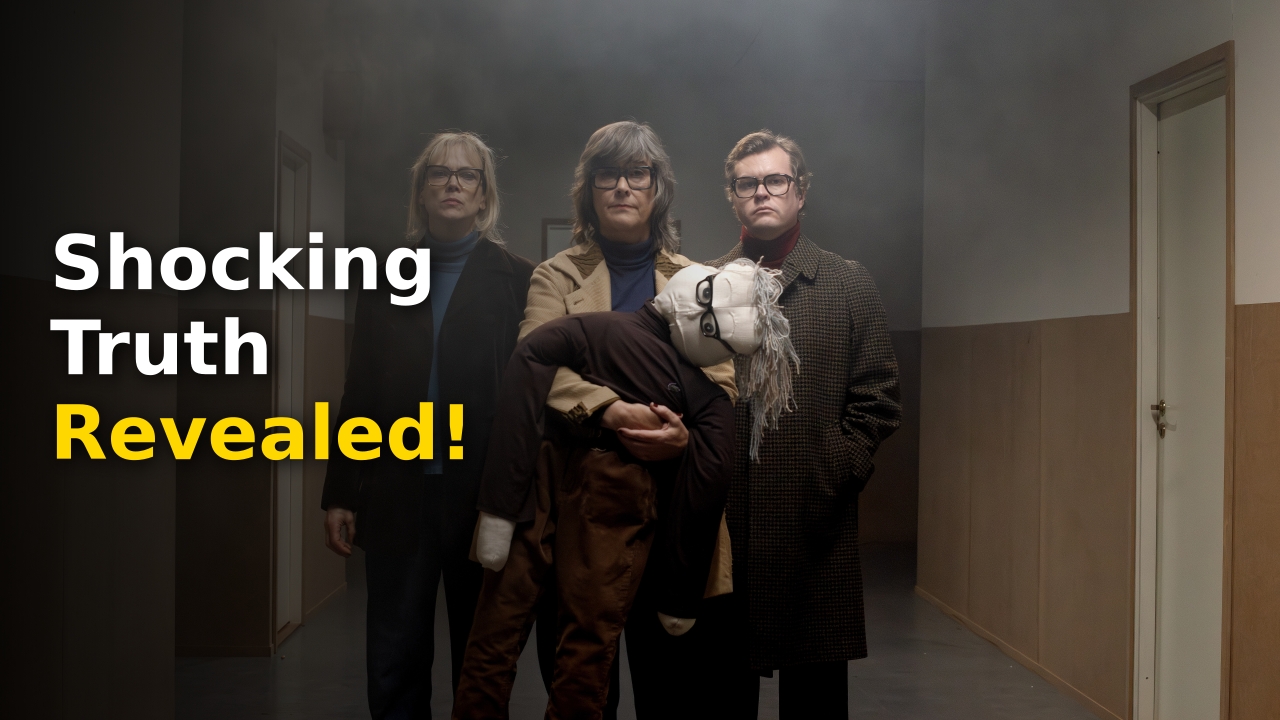
You might wonder why she chose such a vulnerable path, essentially placing herself and her alter ego, played by Ane Dahl Torp, in the center of the frame. This creative choice serves as a metaphor for the struggle to direct one’s own trauma. While the crew members in the film represent the various voices of doubt and support that exist in any artistic endeavor, the core of the story remains the unresolved tension of 1982, when her father took his own life.

The film is intentionally broken, avoiding a clean third-act resolution. Berg’s commitment to this fragmentation reflects the reality of living with a complicated parental legacy. As you witness the interplay between Olav Waastad—who portrays the father with striking charisma—and the modern-day reflections, you realize that the “apocalypse” mentioned in the title is not just an ending, but a state of clarity that remains perpetually out of reach.
Exploring the Trilogy Format
Unlike standard film adaptations, The Horsemen of the Apocalypse stands alone as the final installment in a personal trilogy. Berg previously channeled these family ghosts into a critically recognized art exhibition and a published novel titled From Father. This multi-media approach allowed her to peel back the layers of her history before ever calling “action” on the film set.
- Exhibition: Served as the initial testing ground for complex visual ideas.
- Novel: Provided a deeper textual investigation into the emotional aftermath of the 1975 tragedy.
- Feature Film: Offers the final, visceral, and performative closure to the trilogy.
By The Numbers: The Production Scope
| Category | Details |
|---|---|
| Production House | Twentyone Pictures (Norway) |
| Key Financing Gap | €130,000 ($151,000) |
| Lead Alter Ego | Ane Dahl Torp |
| Supporting Production | Story (Sweden) & Alma Bäng (Germany) |
Navigating Trauma and Artistic Integrity
The decision to avoid the “true-crime” label is a bold strategic move. While the story touches on a murder case, categorizing it as true crime would distract from the film’s philosophical intent. Berg wants to engage audiences who are prepared for a personal, tragic-comic drama, not a salacious recap of a historical crime. In an age where digital content is often reduced to simplified clickbait, this boundary-setting is essential for artistic integrity.
Working on the film allowed the director to reconcile her childhood memories with the man she recognizes now as a flawed, complex person. In interviews, Berg mentions that the process felt like “blowing new life” into her father. By having Olav Waastad inhabit the role of Arnljot Berg, she creates a space where the past and present collide, allowing for a form of catharsis that is rarely seen in cinema.

This project is heavily supported by major cultural institutions including the Norwegian Film Institute and ARTE. The breadth of support highlights the project’s significance as both a piece of cultural history and a work of art. You can find more about how these complex cinematic structures are funded by checking out our latest coverage of European production models.
People Also Ask
What happened with Lene Berg’s father today?
Lene Berg’s father, Arnljot Berg, passed away by suicide in 1982, seven years after he was charged with the 1975 murder of his wife, Evelyne. The story is currently trending because Lene Berg is using her new film to process these historical events.
Why is The Horsemen of the Apocalypse trending right now?
The film is attracting attention at the Venice Film Festival’s Gap-Financing Market. It is being highlighted for its unique hybrid approach to storytelling and its deeply personal connection to a well-known Norwegian director’s family tragedy.
How does this project affect the legacy of Arnljot Berg?
The project re-contextualizes Arnljot Berg’s legacy by moving beyond his criminal history to examine his personality and career as a director. It allows him to be remembered as a multifaceted, complex individual rather than just a headline.
When is the film expected to be finished?
The film is in the final stages of the editing process. The production team is currently seeking the final €130,000 in financing at the Venice Film Festival to complete the project.
Reflections on a Complicated Legacy
As you reach the end of this journey, you are left with the same lingering questions that haunt The Horsemen of the Apocalypse. Can we ever truly understand those who came before us, or are we destined to interpret their lives through our own, equally distorted lenses? The film is not designed to resolve these tensions, but rather to ensure that the conversation continues long after the screen goes black.
For those interested in how directors handle such delicate subject matter, the insights provided by Lene Berg serve as a masterclass in transparency and creative courage. By choosing to show the “reluctant director” within the film, she bridges the gap between the filmmaker and the audience, turning a private investigation into a universal exploration of memory and the fallibility of narrative. Whether you are a fan of high-concept cinema or deeply personal memoirs, this film challenges you to look at your own history with a fresh, perhaps more forgiving, eye.
More Like This
For more updates, check out our latest entertainment and sports news.