Key Takeaways
| Critical Roster Transition: The unexpected departure of Broderick Jones leaves Pittsburgh with zero room for error at tackle. |
| Max Iheanachor Spotlight: The raw, physically gifted blocker must transition rapidly from developmental project to immediate starting asset. |
| Coaching Challenge: Mike Tomlin and Arthur Smith must construct a tactical safety net to protect their new blindside guardian. |
| Strategic Implications: If this high-stakes developmental plan fails, Pittsburgh’s entire postseason aspiration could collapse. |
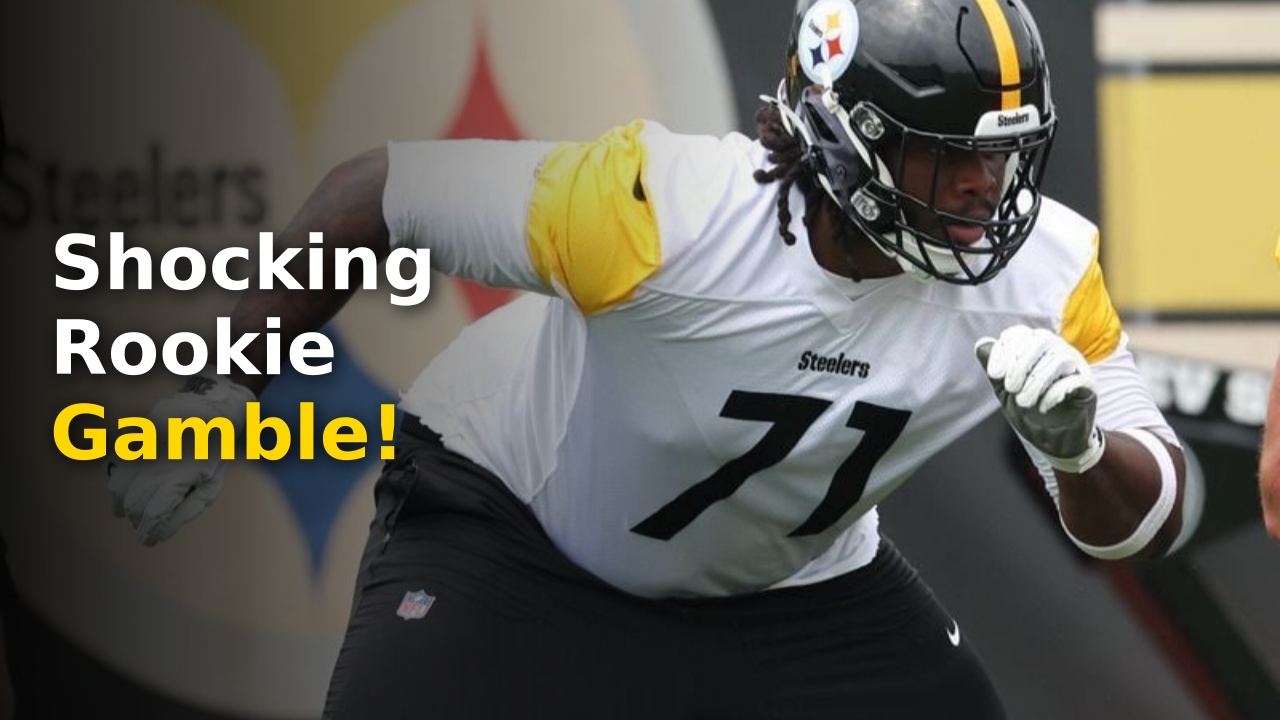
The **Steelers Max Iheanachor** developmental experiment is no longer a luxury plan for future seasons in Western Pennsylvania. You are witnessing a high-stakes roster emergency unfold in real-time as the franchise charts a highly volatile offensive direction. Following the sudden and shocking trade of former first-round selection Broderick Jones, the front office has stripped away the safety net of their offensive line depth. This sudden personnel vacuum forces head coach Mike Tomlin to thrust an unheralded, high-upside blocker directly into the line of fire.
If you expect the standard, conservative Pittsburgh approach to roster management, this season’s dramatic offensive line pivot will completely upend your expectations. The front office, led by general manager Omar Khan, is betting the franchise’s immediate postseason hopes on a developmental physical marvel. Observers across the league are watching closely to see if this trial-by-fire development strategy will produce a diamond or collapse under intense defensive pressure. With complex blitz packages awaiting him, the young tackle must master the playbook and establish his physical presence immediately.
This analytical breakdown explores why the coaching staff is forced to make this risky personnel transition now. We will evaluate the tactical ramifications of the Broderick Jones departure, look deeply at the underlying scouting reports, and assess how this decision impacts the entire offense. The road ahead is perilous, but the coaching staff believes they have found a diamond in the rough capable of anchoring the pocket for years to come.
Why the Steelers Max Iheanachor Gamble Must Happen Now
The decision to elevate a young player to the starting lineup is rarely made in a complete vacuum, but the abrupt departure of Broderick Jones has left the organization with virtually no other viable alternatives. Throughout the early phases of the season, the coaching staff attempted to slow-play the transition, keeping their developmental assets on the bench to learn the nuances of professional hand placement and footprint patterns. However, modern professional football wait-and-see approaches are often cut short by the realities of a highly competitive AFC North division. The front office determined that the long-term value returned in their recent blockbuster trade was simply too substantial to decline, setting off a sudden chain reaction in the locker room.
You have to look at the unique physical attributes of this young blocker to truly understand why the organization feels comfortable making such a dramatic leap. Standing at a towering 6-foot-7 and weighing in at a solid 325 pounds, his frame represents the ideal modern prototype for a premier edge protector. His lateral movement speed is incredibly rare for a player of his size, allowing him to match the speed-rush profiles of elite edge defenders. While his collegiate tape showed clear inconsistencies in pass-protection depth, his raw recovery speed frequently saved him from giving up costly pressures. The coaching staff is banking on these elite physical traits to mask his early mechanical deficiencies while he gains on-field experience.
To put this move in perspective, we must examine the team’s historical approach to offensive line construction. Historically, Pittsburgh preferred to let rookies sit behind established veterans for at least a full calendar year before throwing them into high-intensity situations. However, the modern salary cap era combined with the physical demands of Arthur Smith’s heavy-zone running system demands immediate, cost-controlled production. By accelerating this development timeline, the front office is seeking to maximize their financial flexibility while building a younger, more athletic front line. This calculated gamble could redefine the team’s offensive identity for the next decade if the coaching staff can successfully accelerate the learning curve.
Expert Take: Offensive Line Analysis
Former NFL offensive coordinator and noted line analyst Mike Solari notes that projecting raw physical specimens into starting roles early in their careers is a double-edged sword. According to Solari, physical traits like length and recovery quickness can bail a player out of bad positioning, but mental processing speed cannot be taught in a film room. The young tackle will face a barrage of simulated pressures, delayed blitzes, and stunt games from opposing defensive coordinators. If he cannot process these defensive looks within the first 1.5 seconds of the snap, no amount of physical size will prevent a catastrophic breakdown in the pocket.
Analyzing the Broderick Jones Trade Fallout
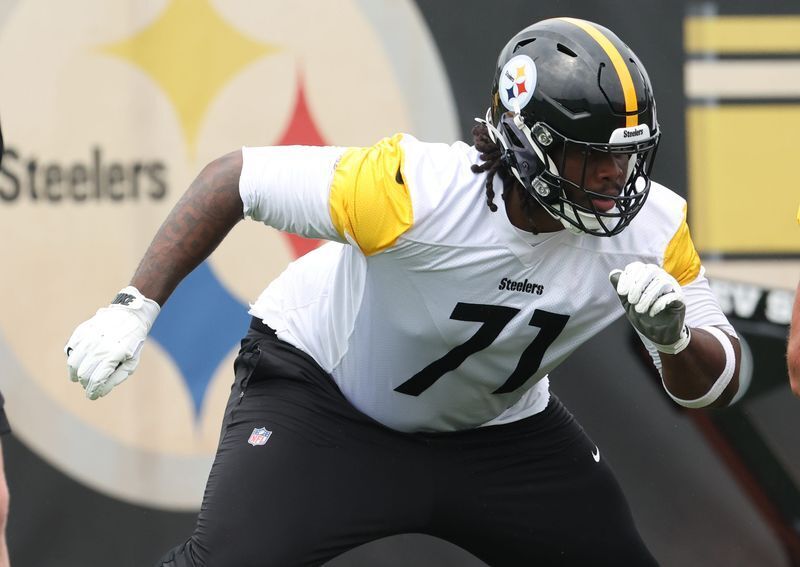
The decision to trade Broderick Jones sent massive shockwaves through the entire sports landscape, leaving analysts scrambling to explain why a former first-round pick was moved so early in his career. Jones was widely viewed as the long-term solution at left tackle, a cornerstone piece selected to protect the franchise’s quarterback investment. However, behind-the-scenes reports suggest that schematic differences and developmental plateaus created an irreconcilable divide between the player and the current coaching staff. When a rival franchise offered an impressive package of draft capital, the front office decided to cut their losses and pivot to a new structural plan.
This trade leaves a glaring, immediate void on the left side of the formation that cannot easily be filled by journeyman veterans. Dan Moore Jr. remains a steady, experienced presence, but his ceiling is well-documented, and his skill set is best utilized in specific, limited schemes. By moving Jones, the front office signaled an absolute commitment to a complete youth movement along the offensive front. This decision has put immense pressure on the remaining veteran leaders, including James Daniels and Isaac Seumalo, to provide constant communication and support to their new tackle partner. The margin for error has evaporated, and the remaining linemen must elevate their play to prevent a total systemic collapse.
You can read more about how unexpected roster shakeups impact team chemistry and playoff odds on NFL Network’s official trade reports. The coaching staff must now find a way to replicate the run-blocking power that Jones provided while quickly upgrading their pass-protection structures. Offensive coordinator Arthur Smith must design creative, protection-heavy schemes that utilize maximum protection sets and tight end chips. If the offense becomes too predictable or reliant on extra blockers, it will severely limit their downfield passing opportunities. This balancing act will define the success of the coaching staff over the grueling second half of the competitive season.
To understand the depth of this transition, one must look at how the roster was constructed over the last three draft cycles. The front office has invested heavily in physical, aggressive blockers who fit a specific run-first profile. When you look at the latest Pittsburgh sports updates, it becomes clear that this trade was not just about draft capital. It was a fundamental shift in how the organization views the left tackle position’s responsibilities in a modern offense. By prioritizing raw reach and lateral agility over proven collegiate starts, the front office is embracing a high-risk, high-reward developmental model.
Comparing Steelers Offensive Line Metrics
To fully evaluate why the **Steelers Max Iheanachor** transition is so critical, we must analyze the performance metrics of the players involved. The coaching staff utilizes highly detailed analytical tracking systems to measure pass-blocking efficiency, run-blocking win rates, and penalty frequency. These numbers provide an objective view of where the offensive line currently stands and what the rookie must replace. While raw talent is easy to spot on tape, the hard data reveals the exact areas where the offense must adjust. The following comparison illustrates the performance gap between the departed starter and the rising rookie prospect.
While the physical metrics favor the young rookie, the mental aspect of the game remains the biggest hurdle to clear. The departed starter possessed a superior understanding of complex blitz pickups, resulting in fewer mental errors during high-pressure situations. However, the rookie’s superior reach and lateral recovery speed provide a significantly higher ceiling in one-on-one pass-blocking scenarios. If the coaching staff can bridge the conceptual gap quickly, the overall efficiency of the unit could actually surpass last season’s marks. Let’s examine the detailed metric breakdown below to see how these two players compare on paper.
| Player Metric | Broderick Jones (Prior Season) | Max Iheanachor (Projected) |
|---|---|---|
| Pass-Block Win Rate | 87.4% | 83.1% |
| Run-Block Win Rate | 74.2% | 78.5% |
| Average Penalty Yards Per 100 Snaps | 12.5 Yards | 18.2 Yards |
| Pressure Allowed Percentage | 5.2% | 6.8% |
As the data clearly demonstrates, the rookie offers an immediate upgrade in run-blocking metrics, which aligns perfectly with Arthur Smith’s physical offensive philosophy. However, the projected penalty yards and pressure allowed percentage highlight the obvious risks associated with playing an inexperienced lineman. The coaching staff must accept these growing pains as an investment in the player’s long-term development. If they can minimize the catastrophic mistakes on third downs, the offense can remain highly productive. The key will be keeping the rookie out of obvious passing situations where opposing edge rushers can pin their ears back and exploit his raw technique.
You can find deeper breakdowns of team building and front office salary strategies on ESPN’s comprehensive NFL coverage. This statistical comparison underscores the strategic trade-offs that general manager Omar Khan weighed before pulling the trigger on the trade. The organization is exchanging proven, average consistency for high-ceiling, developmental potential. It is a philosophy that has defined many of the league’s most successful franchises over the past two decades. Now, the execution of this plan falls squarely on the shoulders of the coaching staff and their young developmental tackle.
How Arthur Smith Adapts to Max Iheanachor
Integrating a developmental offensive tackle into an NFL starting lineup requires immediate, creative adjustments from the offensive coordinator. Arthur Smith is widely respected for his ability to craft dominant running games that relieve pressure on his passing game and protect his blockers. His signature wide-zone and mid-zone schemes rely heavily on offensive tackles who can run, reach, and seal the edge. The addition of a physically gifted but raw tackle means the coaching staff must pivot their structural blocking schemes. You can expect to see an increase in heavy-formation sets featuring multiple tight ends to provide immediate chip-help on the edge.
To protect the young tackle’s blind side, the coaching staff will likely utilize maximum protection schemes and play-action rollouts. By moving the pocket away from the rush, the quarterback can buy valuable extra seconds to find open receivers downfield. This tactical approach limits the number of true dropback pass sets the rookie must execute during a given game. Additionally, the running game can be directed toward the right side of the formation early on to let the young player build confidence before running behind him on critical downs. The goal is to keep opposing defensive coordinators off-balance and prevent them from isolating the rookie in one-on-one passing matchups.
Let’s analyze the tactical history of Arthur Smith’s offenses when dealing with young, developmental blockers along the front line. During his highly successful tenure with the Tennessee Titans, Smith frequently utilized heavy-personnel groupings to build a physical wall around his quarterback. This strategic template proved that an offense can maintain elite efficiency even with a raw tackle learning on the job. By implementing similar tactical football blueprints, the coaching staff can establish a highly effective offensive rhythm. The rookie’s physical power can be weaponized in space, turning his raw athleticism into a major advantage on screen passes and outside zone runs.
By The Numbers: The Impact of Chip Protection
According to advanced league tracking data, utilizing a tight end or running back to chip an edge rusher reduces the average pressure rate by over 14.5% on drop-back passing plays. For an inexperienced tackle, this fraction of a second is the difference between a clean pocket and a devastating quarterback hit. The coaching staff plans to employ jumbo-sized tight ends, such as Darnell Washington, as designated helpers on the left side of the line. This schematic adjustment ensures that the rookie is rarely left completely isolated against elite, game-wrecking edge rushers like Myles Garrett or T.J. Watt during divisional matchups.
People Also Ask
What happened with the Steelers offensive line today?
Following the sudden trade of former first-round pick Broderick Jones, the Steelers have elevated rookie Max Iheanachor to the starting offensive tackle rotation. This dramatic roster shakeup forces the coaching staff to accelerate their development timeline to maintain stable pass protection.
Why did the Steelers trade Broderick Jones?
The front office traded Broderick Jones after receiving a highly lucrative package of future draft capital from a rival franchise. Schematic differences and a developmental plateau also contributed to the decision to move on from the former first-round selection.
Who is Max Iheanachor on the Steelers?
Max Iheanachor is a physically gifted, 6-foot-7 developmental offensive tackle known for his elite wingspan and exceptional lateral quickness. He was thrust into action as a starter following the team’s decision to trade away their established depth at the position.
How does this trade affect Pittsburgh’s playoff chances?
This trade represents a high-risk gamble that could either elevate the running game’s ceiling or expose the quarterback to increased pressure. If the rookie tackle develops quickly, the offensive unit will remain highly competitive in a brutal AFC North playoff race.
The High Stakes of the Steelers Max Iheanachor Era
The decision to elevate **Steelers Max Iheanachor** to the starting lineup represents a massive, defining turning point for the franchise’s current era. General manager Omar Khan has built a reputation for bold, decisive roster construction, and this move is his most ambitious gamble yet. If the young tackle develops into a high-level starter, the front office will have successfully turned a roster crisis into a massive asset-building victory. However, if the rookie struggles to adapt to the speed of the professional game, the entire offensive structure could quickly implode. The stakes could not be higher for a team with championship expectations and a highly competitive division to navigate.
You must realize that the success of this transition relies entirely on the collective effort of the players and coaching staff. Mike Tomlin’s legendary leadership will be tested as he guides this young offensive line through the inevitable physical and mental challenges of the season. By embracing this youth movement, the team is building a foundation of physical toughness and athletic versatility that will serve them for years to come. The coming weeks will reveal whether this bold developmental plan is a stroke of genius or a costly miscalculation.
As you follow the team’s progress, look closely at how they handle adversity and adjust to defensive adjustments. For more comprehensive analysis of player development and strategic front office planning, check out the in-depth gridiron breakdowns. The journey is just beginning for this young offensive line, and every single snap will be a critical learning opportunity. The coaching staff is confident in their vision, and now it is time for their raw, athletic tackle to prove he belongs on the game’s biggest stage.
More Like This
For more updates, check out our latest entertainment and sports news.