Key Takeaways
| Comparison to mid-20th century tobacco marketing tactics. |
| Top stars like LeBron James and Sydney Sweeney are leading massive campaigns. |
| Gambling addiction helplines report a significant surge in calls nationwide. |
| Shift toward high-frequency “micro-betting” increases financial risk. |
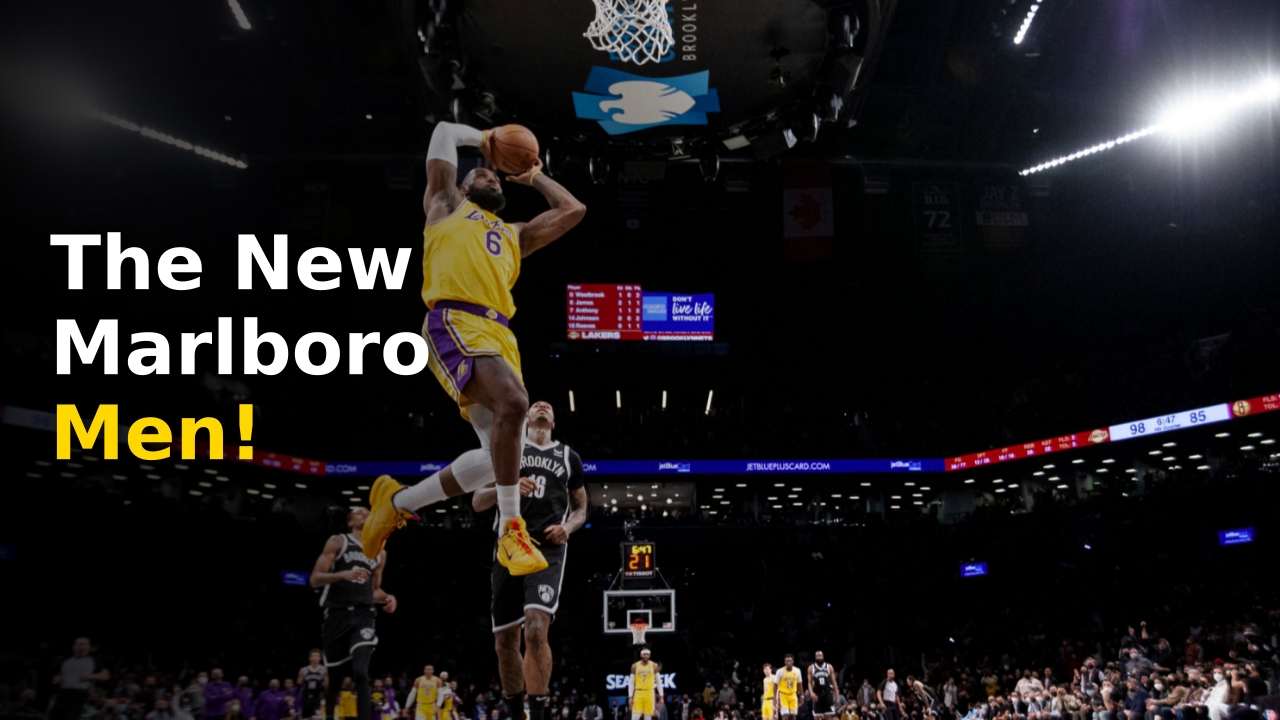
You might think you are simply watching a Sunday afternoon football game, but in reality, you are the primary target of a multibillion-dollar marketing machine fronted by Sports Betting Celebrities. In 2026, the intersection of elite athletics and digital wagering has reached a fever pitch, transforming the world’s most beloved icons into the modern-day equivalent of the Marlboro Men. These pitchmen and women are no longer just selling sneakers or soft drinks; they are moving billions of dollars into high-risk prediction markets and sportsbooks.
The ubiquity of these endorsements is impossible to ignore. Whether it is LeBron James calmly observing the chaos of a Polymarket office or Kevin Hart encouraging a “risk-free” parlay, the message remains the same: gambling is cool, safe, and an essential part of the modern fan experience. However, beneath the gloss of confetti-filled commercials lies a growing public health concern that mirrors the tobacco crisis of the 1950s.
As legalized gambling continues to penetrate every corner of American culture, the role of Sports Betting Celebrities has transitioned from simple spokesperson to cultural validator. By lending their reputations to platforms like DraftKings, FanDuel, and BetMGM, these stars normalize a product that, for millions, leads to severe financial ruin and psychological distress. The lack of cautionary messaging in these high-budget spots has led critics to demand a reckoning similar to the one that eventually purged cigarette ads from our screens.
The Explosive Growth of Sports Betting Celebrities in 2026
The current landscape of sports marketing underwent a seismic shift following the 2018 Supreme Court decision to lift the federal ban on sports wagering. Fast forward to 2026, and 39 states plus the District of Columbia have embraced the industry, creating a vacuum that only the most recognizable faces in the world could fill. The recruitment of Sports Betting Celebrities has become a primary strategy for platforms looking to capture the loyalty of the 18-to-49-year-old male demographic.
Names that once stood for pure athletic excellence or cinematic charm—such as Tom Brady, Derek Jeter, and Jamie Foxx—are now inextricably linked to the betting slip. This trend isn’t limited to veteran legends; rising stars like Sydney Sweeney and Timothée Chalamet have also been brought into the fold to reach younger, tech-savvy audiences. The result is a cultural environment where betting is presented not as a gamble, but as a lifestyle choice devoid of consequence.
Experts suggest that the current wave of endorsements is “inherently deceptive,” according to Mark Gottlieb, executive director of the Public Health Advocacy Institute at Northeastern University. The framing of these products as harmless entertainment ignores the reality of problem gambling, which currently afflicts millions of Americans. These celebrities act as a buffer, shielding the platforms from the “stigma” traditionally associated with the local bookie or the back-alley dice game.
The Psychology of the Celebrity Co-Sign
Why do these endorsements work so effectively? The answer lies in the parasocial relationship fans have with their idols. When a figure like Charles Barkley or Shaquille O’Neal tells you that a specific “prop bet” is a winner, it bypasses the logical centers of the brain that weigh risk and reward. Fans feel a sense of camaraderie with the celebrity, making the act of placing a bet feel like a shared social experience rather than a solitary financial transaction.
This psychological leverage is particularly dangerous when applied to the prediction markets that have gained traction in 2026. Platforms like Kalshi and Polymarket allow users to bet on everything from election results to weather patterns. By using Sports Betting Celebrities to promote these markets, companies are essentially gamifying the entire spectrum of human events, turning real-world consequences into a digital playground for speculators.
Mapping the Financial Empire of Betting Endorsements
The financial scale of these deals is staggering, often dwarfing the actual playing salaries of the athletes involved. In the mid-20th century, athletes hawked cigarettes because they needed the offseason income to survive. Today, even billionaires like LeBron James are lured by the massive payouts offered by betting conglomerates. James recently pivoted from a partnership with DraftKings to a deal with Polymarket reportedly worth $15 million.
These figures represent more than just a paycheck; they indicate the massive liquidity within the gambling industry. As professional sports leagues and media networks become active partners in the sportsbooks they advertise, the conflict of interest becomes a tangled web. You can no longer watch an ESPN broadcast or a local game without being bombarded by live odds and “locks of the day” provided by these very celebrities.
| Celebrity Name | Platform Partner | Est. Deal Value | Target Market |
|---|---|---|---|
| LeBron James | Polymarket | $15,000,000 | Global Sports & Prediction |
| Tom Brady | DraftKings | Undisclosed (Equity) | NFL Fans / Lifestyle |
| Jamie Foxx | BetMGM | Multi-million | Entertainment / General |
| Sydney Sweeney | FanDuel | Undisclosed | Gen Z / Young Adults |

Expert Take: The Socioeconomic Impact
According to Dr. Timothy Fong, co-director of the UCLA Gambling Studies Program, the true cost of these celebrity-led campaigns isn’t measured in dollars, but in “emotional and financial pain.” He notes that nothing creates shame and embarrassment quite like losing significant sums of money, yet this reality is never shown in the ads. While Sports Betting Celebrities celebrate in “confetti-fogged” scenes of victory, the average user is often left dealing with the fallout of failed parlays.
By the Numbers: A recent 2026 survey revealed that more than 50% of American men aged 18 to 49 now hold active accounts with at least one online gambling platform. This saturation has led to a 300% increase in calls to national gambling helplines since the 2018 legalization. The data suggests that the aggressive marketing tactics, fueled by celebrity influence, are successfully creating a new generation of high-frequency gamblers who view wagering as a standard component of social media and entertainment Consumption.
The Historical Echo: From Tobacco to Touchdowns
To understand the current controversy surrounding Sports Betting Celebrities, one must look back at the marketing strategies of the mid-20th century. During that era, tobacco companies utilized the exact same playbook. Baseball legends like Ted Williams and Willie Mays, alongside Hollywood stars like Errol Flynn, were paid to testify that smoking helped them maintain focus, relax, and live a vibrant life. The ads never mentioned lung cancer or cardiovascular disease.
The current parallels are striking. Just as Ronald Reagan once claimed he was sending Chesterfield cigarettes to all his friends for Christmas, modern stars are “sending” betting bonuses and “boosted odds” to their followers via social media. The technology has changed, but the underlying strategy of using a trusted, aspirational figure to promote an addictive behavior remains identical. This historical context is vital for understanding the Hollywood marketing strategies that now drive the betting industry.
Today, the stigma associated with “greed” or “selling out” has largely evaporated. In the 1950s, a celebrity might fear reputational harm from promoting an unsafe product. In 2026, the accumulation of wealth is often seen as its own justification. This shift in values has allowed the Sports Betting Celebrities phenomenon to grow unchecked, as the public perception focuses more on the star’s net worth than the ethics of their endorsements.
Micro-Betting and the Role of Artificial Intelligence
One of the most dangerous developments in 2026 is the rise of “micro-betting.” Unlike traditional wagers on the final score of a game, micro-betting allows users to gamble on every pitch, every pass, and every strikeout in real-time. This high-speed gaming experience is powered by artificial intelligence and granular league statistics, creating an environment that is far more addictive than traditional betting.
These products are marketed by celebrities as the ultimate way to “stay engaged” with the game. However, consumer advocates argue that these are the most dangerous gambling products ever created. The speed at which a user can lose their entire bankroll is unprecedented, yet Sports Betting Celebrities continue to frame these features as exciting innovations rather than high-risk traps. This evolution of the industry is a central topic in athlete endorsements 2026 discussions.
Why the ‘Marlboro Men’ Label Matters Now
The label “Modern Marlboro Men” is more than just a catchy phrase; it is a warning. Just as the public eventually turned against tobacco advertising once the health impacts were undeniable, we may be approaching a similar tipping point for sports gambling. The long-term societal impact of having 24/7 access to a sportsbook in every smartphone is still being calculated, but the early indicators—broken families, financial ruin, and increased suicide rates among problem gamblers—are grim.
The role of the celebrity is crucial in this debate. If Sports Betting Celebrities are the faces of the industry, they must also be the faces of the accountability movement. Critics argue that these stars have a moral obligation to include prominent, unvarnished warnings about the risks of gambling in their promotions. Without these safeguards, the “celebratory hype” we see today may eventually be viewed with the same disdain and surprise we feel when looking at a vintage ad of a doctor recommending a specific cigarette brand.
As we look toward the future, the question remains whether the federal government will intervene. There are already rumblings in Congress about restricting the types of ads that can be shown during live sports broadcasts, specifically those that feature athletes. Until then, the gold rush continues, and the list of Sports Betting Celebrities only grows longer, cementing their place in the annals of controversial marketing history. For more on how these deals affect the industry, see our report on trending celebrity news and the business of fame.
People Also Ask
Which celebrities promote sports betting in 2026?
A wide array of A-list talent, including LeBron James, Tom Brady, Kevin Hart, Sydney Sweeney, and Jamie Foxx, currently serve as brand ambassadors for major sportsbooks like DraftKings, FanDuel, and Polymarket.
Why is sports betting compared to tobacco marketing?
Critics argue that like 1950s cigarette ads, sports betting commercials use celebrities to make an addictive and potentially harmful product seem safe, healthy, and part of a normal social lifestyle without highlighting the risks.
How much does LeBron James earn from betting deals?
In 2026, LeBron James reportedly signed a partnership with the prediction market platform Polymarket worth an estimated $15 million, marking one of the largest individual endorsements in the industry.
Is sports betting marketing regulated in the United States?
While regulated at the state level, there is currently no federal ban on celebrity endorsements for gambling. However, rising addiction rates have led to increased calls for stricter advertising standards similar to those used for tobacco and alcohol.
The Future of Celebrity-Driven Gambling Markets
The era of Sports Betting Celebrities is far from over, but the landscape is beginning to shift. As more data emerges regarding the societal costs of widespread gambling, the pressure on these stars to distance themselves from the industry may increase. For now, the financial rewards are too great to ignore, and the legal framework remains supportive of the status quo. However, history teaches us that public perception can change rapidly once the true cost of a product is revealed.
Whether these icons will be remembered for their achievements on the court and screen or for their role in facilitating a national addiction crisis remains to be seen. What is clear is that the “Marlboro Men” of the 21st century have traded the cigarette for the smartphone, and the consequences for the American public are just beginning to unfold. Keep a close watch on these Sports Betting Celebrities as the debate over ethics and earnings continues to dominate the headlines of 2026.
More Like This
For more updates, check out our latest entertainment and sports news.