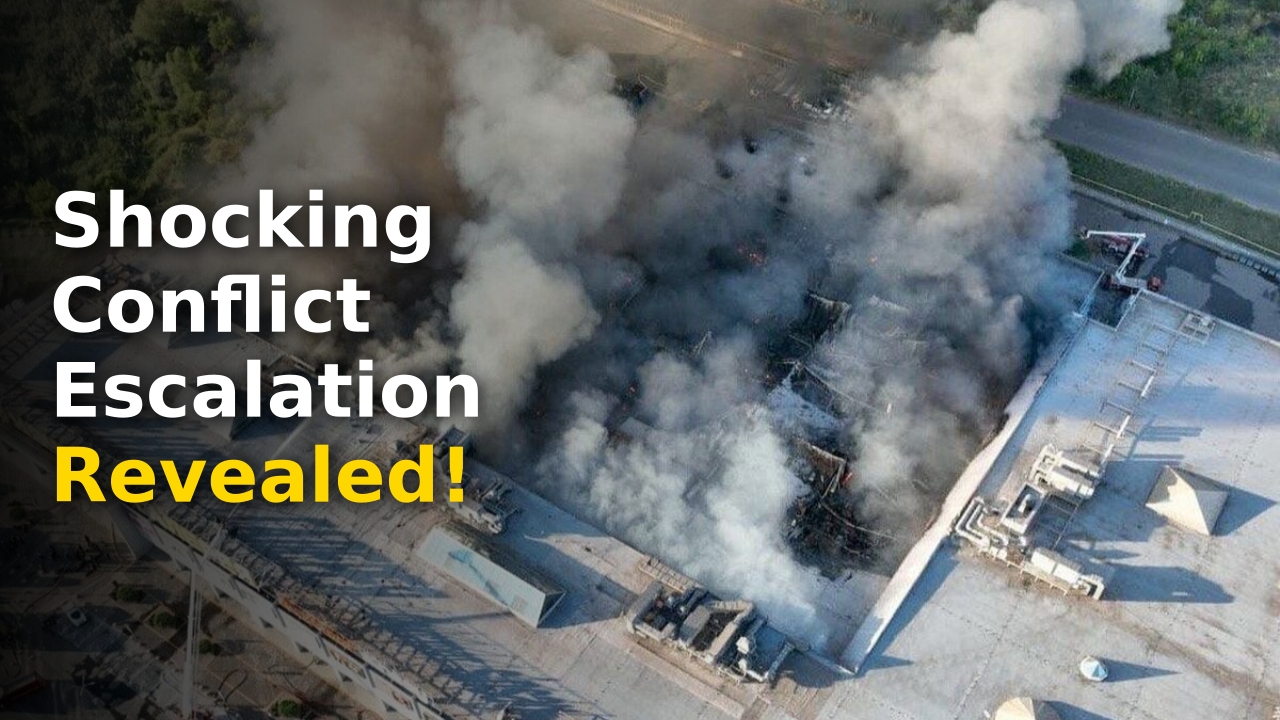
Russian attacks have once again shattered the silence of Ukrainian morning hours, marking a grim escalation that leaves the international community reeling. When you look at the escalating death tolls across both Ukraine and Russia, it becomes clear that this conflict has moved into a volatile, high-stakes phase where civilian centers are increasingly caught in the crossfire.
As you process the reports of ballistic missiles striking railway infrastructure and busy shopping hubs, you must understand that the human cost is rising at an unsustainable rate. This analysis breaks down the strategic, political, and human elements of these recent developments to help you navigate the complexity of this ongoing crisis.
Understanding Russian attacks and escalation
The recent barrage of strikes on Kyiv and regional hubs like Kryvyi Rih signals a shift in tactical priorities for Moscow’s forces. By intensifying ballistic missile usage, Russian military leadership is clearly aiming to exploit the current shortage of U.S.-made Patriot air defense systems. These weapons are often the only shield for residents, and their absence changes the survival landscape for millions.
You might wonder why these specific targets are selected, such as the railway depot or the shopping mall in Kryvyi Rih. Military analysts suggest that these strikes are designed to cripple logistics while simultaneously eroding public morale by bringing the war directly to daily life. The tragic reality is that Russian attacks are now a regular feature of summer, following a pattern that the United Nations documented as causing significant civilian casualties throughout July.
The concept of the double-tap strike, as described by President Volodymyr Zelenskyy regarding the Kryvyi Rih mall, reveals a chilling evolution in combat tactics. First responders are targeted specifically during rescue operations, a move that fundamentally undermines humanitarian efforts. This specific strike alone claimed at least 16 lives, leaving over 130 individuals wounded and many others missing in the debris.
Furthermore, the geopolitical environment remains as tense as ever, with officials emphasizing the economic toll and the hardening of positions. When you hear Vladimir Putin discuss these events, he minimizes the strategic impact, yet the logistical reality on the ground—such as the burning of oil refineries—tells a story of attrition. You can find more detailed geopolitical analysis on how these global figures handle public image during wartime on our dedicated portal.
The Zaporizhzhia region has also faced devastating strikes on minibuses and civilian infrastructure, proving that no area is truly removed from the danger zone. As the intensity of these strikes fluctuates, the civilian population bears the heaviest burden. It is essential to recognize that every headline involving a missile strike corresponds to real families and shattered livelihoods across the border.

Military aid and the procurement of defense hardware remain the most contested topics in Washington and Brussels. With the Patriots being in short supply, Ukraine is forced to adapt, often relying on long-range drone strikes to offset the disadvantage. This mirror-image warfare, where Russia strikes Ukrainian shopping centers and Ukraine hits Russian oil refineries, suggests that the conflict is entering a protracted phase of mutual destruction.
The human cost of war
- Total reported casualties from the most recent weekend strikes exceeding 20 lives.
- Over 130 civilians wounded in a single shopping mall incident in Kryvyi Rih.
- The psychological impact on the civilian population living in constant alarm.
- Targeting of critical railway and logistic infrastructure affecting supply chains.
- The tragic loss of life, including children, in cross-border drone exchanges.
Comparative Data and Regional Impact
Understanding the sheer scale of this escalation requires looking at the regional statistics. The table below outlines the major strike points and the associated human toll reported by local authorities in both Ukrainian and Russian territories during the most recent 48-hour window.
| Location | Type of Incident | Casualties Reported |
|---|---|---|
| Kryvyi Rih, Ukraine | Shopping Mall Strike | 16 Dead / 130 Wounded |
| Kyiv, Ukraine | Railway/Infrastructure | 1 Dead / 1 Wounded |
| Zaporizhzhia, Ukraine | Daytime Drone Attack | 4 Dead / 15 Wounded |
| Krasnodar, Russia | Drone Strike | 3 Dead / 2 Wounded |
You can see how the geography of the war has expanded, with Krasnodar becoming a flashpoint for long-range drone technology. The strike on the Novokuibyshevsk oil refinery, located 620 miles from the front, demonstrates that Ukraine has successfully extended its reach, forcing Russia to divert resources for domestic protection. This tactical change is intended to cause fuel shortages and economic friction, effectively bringing the battlefield to the Russian doorstep.
As you evaluate the severity of these events, it is worth noting the involvement of major international monitoring bodies. Reports from the Reuters news agency and other international observers confirm that the frequency of these large-scale strikes has reached an alarming cadence this summer. Whether these events will lead to a shift in policy remains to be seen, but the current trajectory points toward continued, intense engagement on both sides.

The psychological toll is amplified by the fact that many of these attacks occur in the hometowns of key political figures, such as Kryvyi Rih for Zelenskyy. When you consider the history of this city, including the tragic loss of 20 people in April 2025, the weight of this conflict becomes palpable. Families are living in a cycle of grief and resilience, constantly waiting for the next alert to sound.
Strategic Shifts and Future Projections
Looking ahead, the central question for you as a reader is whether the current stalemate can be broken through technological or diplomatic means. With the depletion of specific air defense assets, the reliance on passive defense and long-range retaliation will likely continue. The Russian defense ministry continues to claim these strikes are strategic hits on industrial and logistics facilities, yet the civilian impact remains undeniably high.
The role of international online retailers and logistics centers, such as the Wildberries and Ozon facilities, becoming targets is a new development. It reflects a total war approach where the distinction between economic infrastructure and military targets is blurred. You should expect this trend of non-traditional target selection to continue as long as the kinetic phase of the war persists.
Moreover, the political rhetoric emanating from Moscow suggests that the government is prepared for a long haul. Despite the economic damage caused by refinery strikes and internal instability, there is little indication of a willingness to negotiate. You must therefore interpret these developments not as isolated events, but as part of a larger, systemic breakdown in relations that shows no signs of resolution.
Finally, keep an eye on the diplomatic maneuvers occurring behind the scenes. While the headlines focus on missiles and drones, the real outcome of this war will likely be decided by the endurance of supply chains and the willingness of international partners to replenish Ukraine’s defense capabilities. You are witnessing a defining chapter in modern European history where the rules of engagement are being rewritten daily.
Final Reflections on the Crisis
In wrapping up our look at these developments, it is clear that Russian attacks remain the dominant factor shaping the landscape of this war. The intensity of the strikes, the sophistication of the targeting, and the resulting human tragedy indicate that we are far from seeing a peaceful conclusion to these hostilities. You have seen how the war has moved from the trenches to the skies and into the depths of industrial regions, affecting everyone from factory workers to the highest levels of government.
As the situation continues to unfold, staying informed through reliable, verified sources is your best defense against misinformation. The complexity of these events is daunting, yet understanding the motivations behind them is crucial for anyone following global affairs in 2026. Keep watching the developments, as the shifts in strategy occurring today will dictate the geopolitical reality for years to come.
More Like This
For more updates, check out our latest entertainment and sports news.