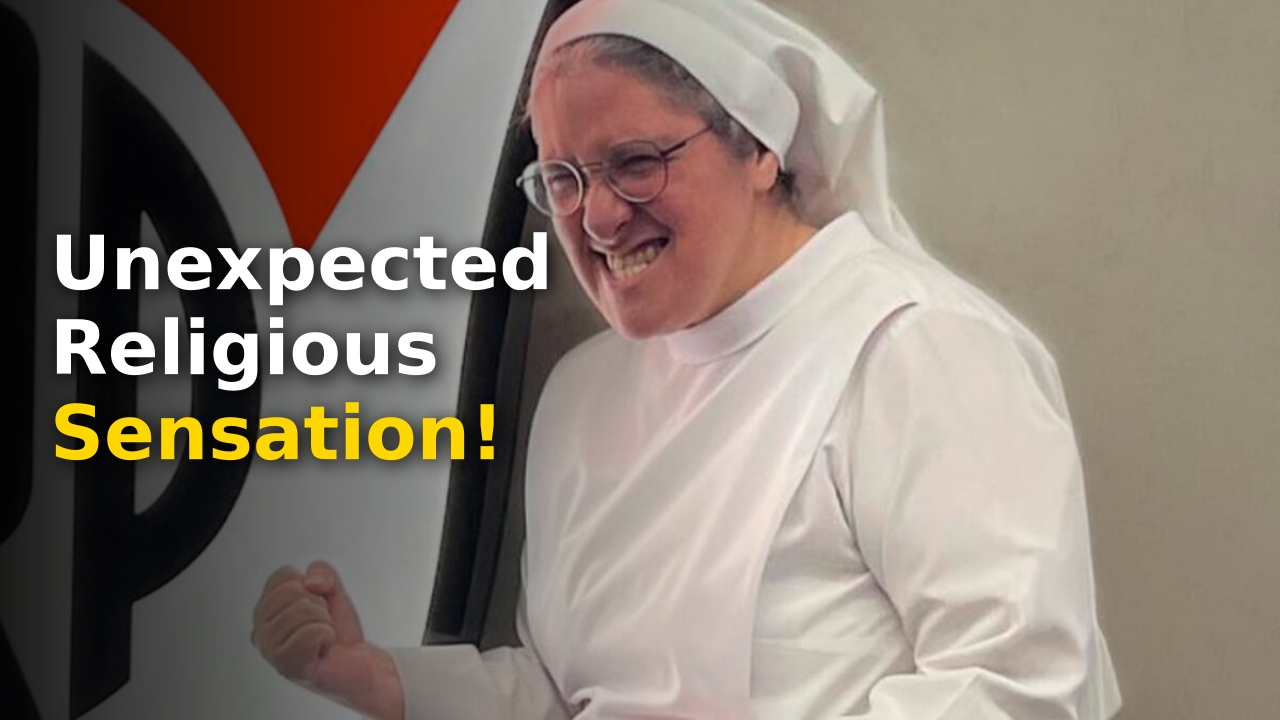
Hermana Verito has become an unexpected digital phenomenon, shattering the traditional mold of what it means to be a nun in the 21st century. You might be surprised to learn that behind the habit lies a woman who grew up listening to Soda Stereo, navigating the complexities of adolescent dating, and finding her true calling after a life-changing encounter with the works of Saint Francis of Assisi.
In a world where stereotypes often distance the public from the reality of religious life, she uses her platform on El Gourmet to bridge the gap. By blending her daily monastic routine with candid discussions on sexuality, rock music, and human connection, she proves that faith doesn’t have to be stagnant or disconnected from modern existence.
Understanding the Hermana Verito Phenomenon
The journey of Verónica began in the vibrant neighborhood of Belgrano R, where she spent her formative years like any typical child of the 80s. Her childhood was not without its shadows, as she spent significant time supporting her family through her younger brother’s long-term illness. This formative experience taught her empathy and resilience, traits that define her teaching style today.
Before finding her place in the monastery, she experienced life as an average teenager who loved music and managed to collect twenty amonestations during her school years. She admits to being part of the ‘back of the class’ group, often breaking rules that ranged from eating fruit during meditation to skipping classes with her best friends. This rebellious spark, she argues, is not a contradiction to her current life but rather a testament to her full humanity.
Her decision to pursue a religious vocation was far from a sudden impulse. It involved a rigorous process of self-discovery that took four years, during which she weighed her past experiences against the profound sense of purpose she felt. She remains a proponent of the idea that individuals from all walks of life can encounter the divine, whether through books, personal relationships, or intense life events.

She emphasizes that her life within the convent is far more active than many might imagine. Far from being a reclusive figure, she engages with the outside world through teaching geography, managing pastoral activities, and sharing her culinary passions. For those interested in the evolving landscape of digital spirituality and lifestyle personalities, you can find more intriguing profiles at Bright Celebrity.
The role of the Hermana Verito in the kitchen is not just about entertainment; it is an extension of her ministry. She approaches her cooking with the same dedication she applies to her prayers, viewing the preparation of meals as a way to care for those around her. By opening her doors, she invites viewers to see that a life of service is compatible with laughter, music, and the simple joy of sharing a good meal.
The Reality of Monastic Life
- Daily schedules commence at 5:30 AM with prayer cycles.
- Strict balance between manual labor, communal service, and personal study.
- Active use of technology for educational purposes, including Instagram and communication apps.
- Shared economic model where personal wealth is renounced in favor of community sustainment.
Data and Community Impact
The transition from a life of personal pursuits to a life of shared mission has seen a significant evolution in her community’s structure. As the congregation adapts to new generational needs, the emphasis on transparency and authentic connection has become a cornerstone of their outreach. The following table illustrates the shift in their community dynamic over the recent decades.
| Category | Historical Context | Current Status |
|---|---|---|
| Congregation Size | 3,000+ Members | ~1,500 Members |
| Average Age of Intake | Very Young/Early 20s | Mature/Post-Graduate |
| Focus Area | Traditional Internal Rituals | Social Outreach & Education |

Candid Views on Modern Challenges
When you ask her about the delicate topics of the day, such as youth sexual health or the role of women in the church, she does not shy away. She advocates for a perspective rooted in deep respect for the individual, noting that understanding the reality of adolescents is the only way to effectively guide them. Her approach is non-judgmental, focusing on the protection and dignity of every student she encounters.
Regarding the institutional aspects of the church, she maintains a critical but committed stance. She believes that the church is made of people, and people are inherently fallible. When faced with news of systemic failures, she acknowledges the immense pain caused but finds hope in the ongoing evolution of the community and the capacity for change. She is not fighting a battle for power, but for the relevance of compassion in a changing world.
Her relationship with figures like Pope Francis, whom she knew during his time as the Archbishop of Buenos Aires, has shaped her belief in accessible leadership. She recalls his ability to listen to difficult questions from teenagers without hesitation, a trait she tries to emulate in her own classrooms and on-air appearances. It is this proximity to the person that she believes is the most powerful tool for faith.
Faith as a Path to Freedom
Ultimately, her life is a testament to the idea that true freedom is found in one’s choices, regardless of the path taken. She argues that whether one chooses the priesthood, a religious order, or a traditional family life, the common denominator is the commitment to love and service. She is a firm believer that modern celebrities like Lionel Messi openly expressing their faith helps normalize spiritual conversations in secular spaces.
She rejects the idea of a punishing God, preferring a narrative of infinite forgiveness and constant invitation to goodness. Her daily routine, despite its strict nature, is fueled by gratitude, which she identifies as her first thought every morning. She continues to challenge the status quo, proving that the most traditional paths can lead to the most revolutionary lifestyles if one has the courage to live them with authenticity.
Hermana Verito remains focused on the future, planning missions to areas like Santiago del Estero where she continues her advocacy for children’s needs. As she navigates the balance between her monastic duties and her growing public influence, her message remains simple: find what brings you to your highest expression of self and commit to it wholeheartedly. In the end, the story of this unconventional sister is a invitation for you to look at your own life and wonder what you might be called to change, to love, or to give.
More Like This
For more updates, check out our latest entertainment and sports news.