Political Influencers across California are currently standing at a legal crossroads that could cost them thousands in unexpected penalties. Have you ever scrolled through your Instagram feed and wondered if your favorite creator was truly passionate about a candidate or simply cashing a massive check? The lines between genuine advocacy and paid propaganda are blurring, and the state of California is finally ready to drop the hammer on anyone hiding the truth from their audience.
As the 2026 election season heats up, the California Fair Political Practices Commission (FPPC) is signaling a massive shift in how digital campaigns operate. You can no longer post a ‘day in the life’ video that ends with a political endorsement without being crystal clear about who paid for that message. This isn’t just about ethics; it is about the fundamental integrity of the democratic process in the digital age.
The era of the ‘stealth’ political ad is ending, and the consequences for non-compliance are becoming increasingly severe for creators and the agencies that hire them. Understanding these new regulations is vital for anyone with a following, as the state moves to ensure transparency in digital advertising is more than just a buzzword. 
Political Influencers and Disclosure
Political Influencers are now the primary targets of a legislative push to clean up social media feeds before the next major voting cycle. State regulators have watched as millions of dollars transitioned from traditional television spots to viral TikToks and Instagram Stories. This shift left a massive loophole where voters were being influenced by paid content that looked like organic recommendations.
You must realize that the FPPC treats these posts with the same gravity as a billboard or a radio ad. If money changes hands, the public has a legal right to know immediately. This includes not just direct cash payments, but also gifts, travel perks, or any ‘thing of value’ exchanged for a political shoutout. Many creators are unaware that even a free trip to a campaign rally could trigger a mandatory disclosure requirement.
The definition of a political post is also expanding to include more than just a direct ‘Vote for Candidate X’ message. It now covers any content intended to influence a voter’s choice, including critiques of opposition policies or praise for specific legislative agendas. The vagueness of past regulations is being replaced by strict, enforceable standards that leave little room for error.
Failure to adhere to these rules can lead to public shaming and massive financial hits. The state is making an example of high-profile accounts to send a message to the entire industry. This is a wake-up call for the influencer marketing trends that have dominated the last five years of digital strategy. You cannot afford to ignore the fine print when the stakes involve the future of the state government.
Agencies are also being put on notice, as they are often the intermediaries facilitating these deals. The law is looking at the entire chain of command, from the candidate’s campaign committee to the talent manager. This holistic approach ensures that nobody can claim ignorance when a secret deal is uncovered by digital forensic teams.
Ultimately, the goal is to rebuild trust between creators and their fans. When you are honest about your partnerships, you maintain your credibility even when your opinions are bought and paid for. The Political Influencers who thrive in this new environment will be those who embrace radical transparency as a core part of their personal brand.
Disclosure Best Practices
- Place the disclosure at the very beginning of the video or caption to ensure it is seen.
- Use clear language like ‘Paid for by’ followed by the name of the specific campaign committee.
- Avoid hiding the disclosure in a sea of hashtags or behind the ‘read more’ button.
- Ensure the text color contrasts sharply with the background for maximum legibility.
- Verbally announce the partnership within the first five seconds of any audio or video content.
Massive Fines for Secrecy
The financial impact of these new regulations is designed to be a deterrent, not just a slap on the wrist for wealthy creators. We are talking about fines that can reach $5,000 per violation, which adds up quickly if a creator posts a series of undisclosed videos. For an influencer with a multi-post contract, a single campaign could result in tens of thousands of dollars in state penalties.
You need to understand that the FPPC is actively monitoring high-traffic accounts during election cycles. They use a combination of AI-driven sentiment analysis and manual audits to flag suspicious content that lacks proper labeling. This proactive approach means that regulators aren’t waiting for a complaint to be filed; they are hunting for non-compliance in real-time.
Beyond the state-level fines, creators risk losing their standing with major social media platforms. Instagram, TikTok, and YouTube have their own internal policies regarding political content, and a state violation often triggers a platform-wide shadowban or account suspension. Losing access to your primary source of income is a risk that most creators simply cannot afford to take.
Legal fees are another massive hidden cost of these disclosure battles. Defending yourself against a state investigation requires specialized election law attorneys who charge premium rates. Even if you eventually win the case, the cost of the legal defense can easily outweigh the original payment you received for the post.
The damage to a creator’s reputation is perhaps the most lasting ‘fine’ of all. In an industry built on authenticity, being labeled a ‘paid shill’ who hides their sponsors can lead to a massive drop in engagement and follower count. Brands in the lifestyle, fashion, and tech sectors often distance themselves from creators who are embroiled in legal controversies related to election integrity.
Tax implications also play a significant role in these undisclosed deals. The IRS and the California Franchise Tax Board are increasingly sharing data with the FPPC. If you didn’t disclose a political payment to your audience, chances are you might have missed it on your tax returns as well, leading to a multi-agency headache that could last for years.
The Shaka Smith Precedent
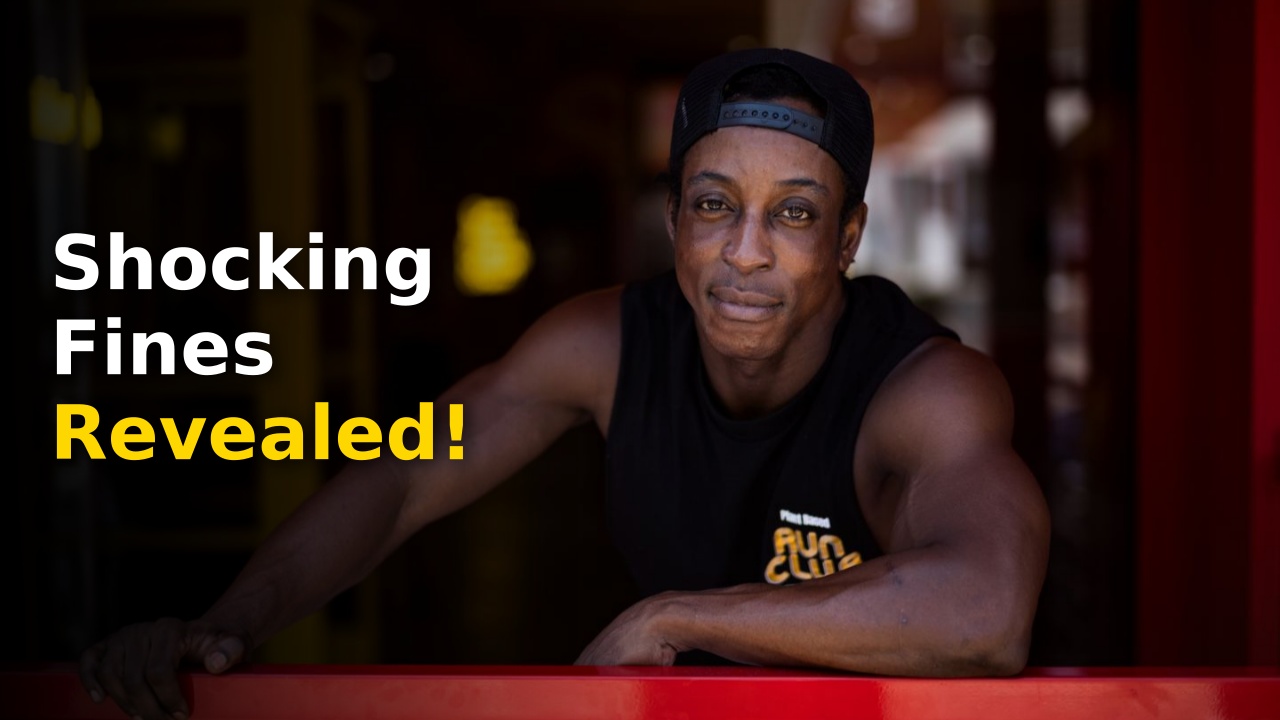
The case of Los Angeles-based influencer Shaka Smith serves as a cautionary tale for the entire industry. With over 700,000 followers on Instagram, Smith’s endorsement of a gubernatorial candidate reached a massive audience just weeks before the primary. His posts highlighted the candidate’s platform, but the lack of clear disclosure sparked an immediate investigation into the nature of the content.
Smith, known for his fitness and lifestyle content, represents the exact type of creator that campaigns are now targeting. These ‘lifestyle’ endorsements often feel more personal and trustworthy than a standard political ad. However, the FPPC argues that this trust is exactly why disclosure is so vital; followers deserve to know if the fitness guru they admire is being paid to pivot into political commentary.
The investigation into Smith’s posts looked at whether the content was a spontaneous expression of personal belief or a coordinated campaign effort. This distinction is the core of many legal battles in the creator space. Regulators look for ‘badges of coordination,’ such as using specific campaign talking points or high-quality assets provided by a political committee.
This case highlighted the massive reach that individual creators now command, often rivaling traditional local news outlets. When a single person can influence nearly a million voters with a thumb-swipe, the state has a compelling interest in regulating that speech for fairness. Shaka Smith was just the beginning of a much larger trend of enforcement.
Since the Smith case, many talent agencies have completely overhauled their onboarding processes for political clients. They now require strict ‘disclosure clauses’ in every contract to protect the agency from liability. Creators are being forced to undergo training on election law before they are even allowed to bid on political contracts.
This precedent ensures that the ‘I didn’t know’ defense no longer works in the state of California. If you have a following of a certain size, the law assumes you are a professional who should be aware of the regulations governing your industry. The Shaka Smith situation proved that no creator is too big or too niche to escape the watchful eye of state regulators.
Legislative Impact and Statistics
The data behind digital political spending is truly staggering, showing why these laws were necessary in the first place. Over the last decade, digital ad spend in California elections has increased by over 400%. A significant portion of this growth is attributed to ‘untraditional’ media, including influencer partnerships and viral meme pages.
According to recent filings, some candidates are now allocating up to 30% of their total advertising budget specifically for social media influencers. This shift represents a move away from the highly regulated world of television, where every ad must contain a ‘Stand by Your Ad’ disclaimer. The digital world has been the ‘Wild West’ for far too long, and these new statistics prove that voluntary compliance was not working.
| Platform | Political Ad Growth (2022-2026) | Average Fine (Per Violation) |
|---|---|---|
| TikTok | 215% | $2,500 – $5,000 |
| 140% | $1,500 – $4,500 | |
| X (Twitter) | 85% | $1,000 – $3,000 |
| YouTube | 110% | $2,000 – $5,000 |
These numbers show that TikTok has become the primary battleground for younger voters, making it the highest priority for regulators. The high growth rate on these platforms correlates directly with the increase in enforcement actions being taken by the state. You can see how the financial penalties are tiered based on the potential reach and impact of the non-disclosed content.
Furthermore, surveys indicate that over 65% of Gen Z and Millennial voters trust influencer recommendations more than traditional campaign mailers. This high level of trust makes the impact of a ‘hidden’ ad even more damaging to the electoral process. If a voter makes a decision based on a lie of omission, the democratic foundation of the state is weakened.
Global Trends in Transparency
California is often a bellwether for national and even international law. What starts in Sacramento frequently spreads to Washington D.C. and Brussels. Other states are already watching California’s rollout of these influencer fines to see if they should implement similar measures. The push for transparency in digital advertising is a global movement that shows no signs of slowing down.
In the European Union, the Digital Services Act is already placing massive responsibilities on platforms to police this kind of content. However, California is unique in its focus on the individual creator’s liability. By targeting the person making the post, the state is creating a culture of personal responsibility that many believe is the only way to truly stop the spread of dark money in politics.
You might see similar laws popping up in states like New York and Washington, where high concentrations of media professionals live. The goal is to create a standardized set of rules so that a creator in LA and a creator in NYC don’t have to follow different disclosure guidelines for the same national campaign. However, for now, California remains the strictest jurisdiction in the country.
This global trend also includes a crackdown on ‘deepfake’ political content. As AI becomes more sophisticated, regulators are worried that Political Influencers might be used to spread realistic but entirely fake endorsements. These new disclosure laws lay the groundwork for future AI-specific regulations that will require any synthetic content to be clearly labeled as such.
We are seeing a shift where ‘authenticity’ is no longer just a marketing buzzword but a legal requirement. In the UK, the Advertising Standards Authority has already begun naming and shaming influencers who fail to disclose any type of paid partnership, political or otherwise. The world is getting smaller, and the rules are getting much tougher.
Creators who operate internationally need to be especially careful. A post made in California that violates state law could also trigger investigations in other countries if the content is promoted to audiences abroad. Managing a global brand now requires a deep understanding of local election laws, making the role of a ‘political influencer’ more complex than ever before.
Protecting Political Influencers
The best way to protect yourself as one of the many Political Influencers in the modern economy is to over-disclose. If there is even a 1% chance that a post could be seen as a paid political endorsement, add a disclaimer. It is much better to have a slightly less ‘organic’ looking post than it is to deal with a state investigation and a $5,000 fine.
You should keep a meticulous paper trail of every interaction you have with a political group or candidate. Save every email, DM, and contract. If you are ever questioned by the FPPC, being able to provide clear documentation of your agreement will be your strongest defense. Many creators fall into trouble because they handle these deals through informal verbal agreements or disappearing messages.
Educate your audience on why you are disclosing. Your followers will appreciate the honesty, and it can actually strengthen your bond with them. Tell them that you are being transparent because you value their trust and want to follow the law. This turns a potential negative into a massive positive for your personal brand.
Consult with a legal expert before signing any multi-post deal involving a candidate or a political cause. While it might seem expensive upfront, it is a fraction of the cost of a fine. Professionalism is the key to longevity in this industry, and treating your political content with the same rigmarole as a Fortune 500 brand deal is the only way to survive.
As we move toward the 2026 election, the spotlight on Political Influencers will only get brighter. The state of California is committed to ensuring that every voter knows who is paying for the content on their screen. By staying informed and staying honest, you can navigate this new legal landscape without losing your following or your bank account.
Ultimately, these laws are about protecting the power of your voice. When everyone knows the rules of the game, the truly talented creators can shine without being overshadowed by those who cheat the system with dark money. Stay transparent, stay loud, and keep your content within the lines of the law.
More Like This
For more updates, check out our latest entertainment and sports news.