Key Takeaways
| Unique Initiative: Germantown teenagers are self-producing original theater for the Philadelphia Fringe Festival. |
| Cognitive Growth: Research confirms theater acts as a flexible toolkit for developing decision-making and collaborative skills. |
| Student-Led Writing: Teens used dystopian tropes to mirror real-world anxieties regarding climate change and political division. |
| Professional Impact: The program serves as a bridge for youth to master professional-grade collaborative habits. |
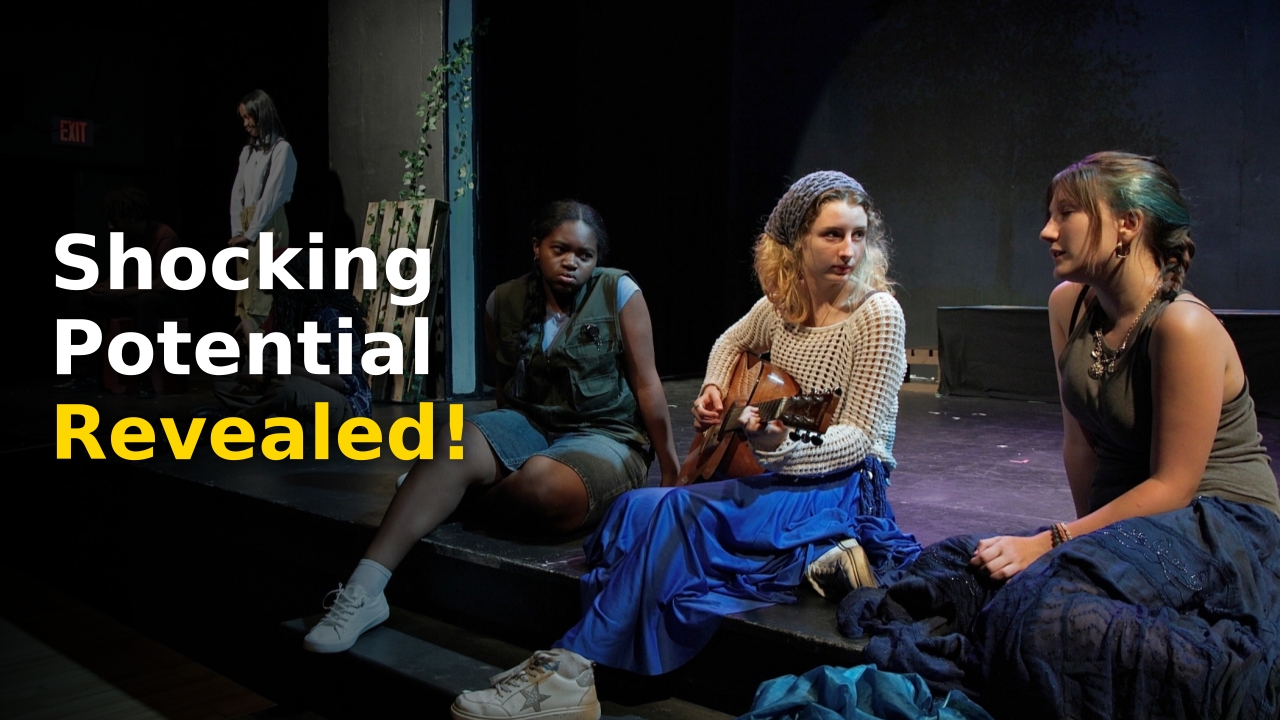
The Germantown youth theater movement is providing the ultimate toolkit for teenagers to navigate the complexities of modern adulthood. You might be surprised to learn that a group of thirteen students from Philadelphia has turned climate anxiety and political polarization into a sophisticated, dark-comedy production for the prestigious Philadelphia Fringe Festival. By stepping into roles both behind and in front of the curtain, these young creators are building neurological and social resilience that traditional classrooms often overlook.
This innovative program, run by the Yes! And…Collaborative Theater, challenges the status quo of youth arts education. Rather than simply memorizing lines from a pre-existing script, these participants are forced to synthesize their collective worldviews. As the educational impact of arts continues to gain recognition, programs like these are becoming a gold standard for fostering civic engagement and creative confidence among Gen Z.
Understanding the Germantown Youth Theater Impact
At the heart of this initiative is the Shadow Company, where teenagers are not just performing; they are authors of their own destiny. By creating ‘When Tides Collide,’ these youth authors explored the collapse of society after a disaster known as ‘The Reckoning.’ This narrative structure mirrors the findings of George Mason University researchers who argue that the adolescent brain is uniquely wired to seek new identity-building experiences through the arts.
When you observe these students at work, you see more than just a play rehearsal. You see a laboratory for adult decision-making. The process requires them to negotiate creative differences, manage strict production timelines, and accept that their personal ideas might need to merge with the collective vision of their peers. This is the Germantown youth theater advantage: a safe, controlled environment where ‘being weird’ is rewarded and social intelligence is sharpened through constant, active participation.

The Science of Performance
Why does acting have such a profound impact on teen development? Thalia Goldstein, a prominent expert in applied developmental psychology, notes that theater requires a physical and mental understanding of space. Teens must track not only their own actions but also the mental states and movements of those around them. This level of meta-cognition is the key to mastering complex life problems.
The program director, Gabriele Preston, consistently pushes students to interrogate the stories they consume, such as ‘The Hunger Games’ or ‘Hadestown.’ By dissecting these mythic structures, the teens learn to bridge the gap between abstract storytelling and their lived realities. This synthesis is critical for any student aiming to navigate the unpredictable landscape of the 21st-century job market.
Data and Performance Milestones
The success of the Shadow Company is measurable through their integration into the professional Philadelphia Fringe Festival landscape. Unlike school-based theater which focuses on performance for family, this program demands a high level of accountability to a ticket-paying public audience.
| Metric | Program Feature |
|---|---|
| Production Cycle | Year-long devisive process |
| Age Demographic | 14-17 years old |
| Skill Development | Metacognition and mental agility |
| Collaborative Focus | Democratic script authorship |
Refining the Creative Process
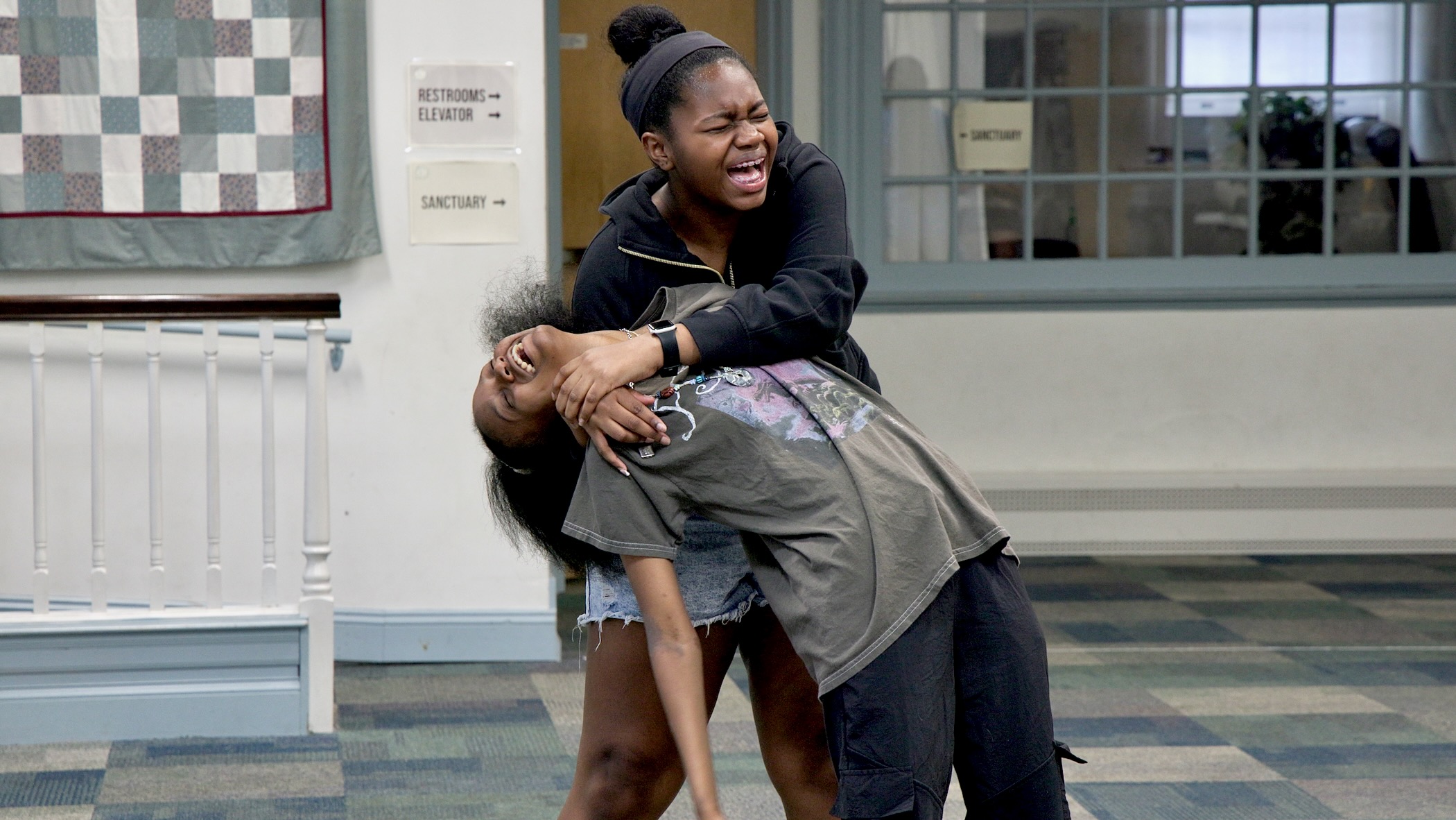
The transition from a loose idea to a coherent narrative is where the true character development happens. Zion Nalah Petty, a sixteen-year-old co-author, described the difficulty of turning random sparks of genius into a story that makes sense to an audience. This struggle for coherence is a direct lesson in professional project management and communication efficacy.
Participants regularly split into small groups for fifteen-minute, high-intensity writing sprints. These sessions often involve energetic debate and even moments of unproductive joking, but they always return to the core mission: delivering a product. This resilience in the face of creative distraction is what turns these students into capable young adults ready for the complexities of modern, inter-disciplinary creative project management.
Expert Take: The Power of Collaborative Art
According to executive director Christine Herrman, the goal is not to produce professional actors, but to produce professional citizens. By learning to listen to diverse opinions and integrate them into a singular vision, these teens are practicing a form of civic discourse that is increasingly rare in broader society. The ability to pivot when an idea is challenged is a skill that will serve them in boardrooms, classrooms, and community centers throughout their lives.
People Also Ask
What is the Yes! And…Collaborative Theater program?
It is a youth-focused theater program based in Germantown, Philadelphia, that empowers teenagers to write, devise, and perform original stage productions for the Philadelphia Fringe Festival.
How does theater impact adolescent brain development?
Research suggests theater fosters neurological and social development by helping teens explore new identities, improve mental agility, and practice metacognition in a safe environment.
Why is the Philadelphia Fringe Festival important for these students?
The festival offers students the chance to perform for a professional, ticketed audience of strangers, which creates a more authentic “real world” experience than school-based performances.
What specific skills do these teenagers gain from the play?
Participants develop decision-making skills, collaborative thinking, physical awareness, and the ability to listen and integrate diverse viewpoints into a collective, coherent narrative.
Final Thoughts on Youth Empowerment
As we witness a changing educational landscape, the Germantown youth theater model offers a promising path forward. By treating young people as creators rather than consumers, programs like Yes! And…Collaborative Theater are effectively fostering a generation capable of profound collaboration and critical thought. If you are looking for evidence that the arts are the ultimate toolkit for the future of our society, look no further than the stages of Philadelphia.
More Like This
For more updates, check out our latest entertainment and sports news.