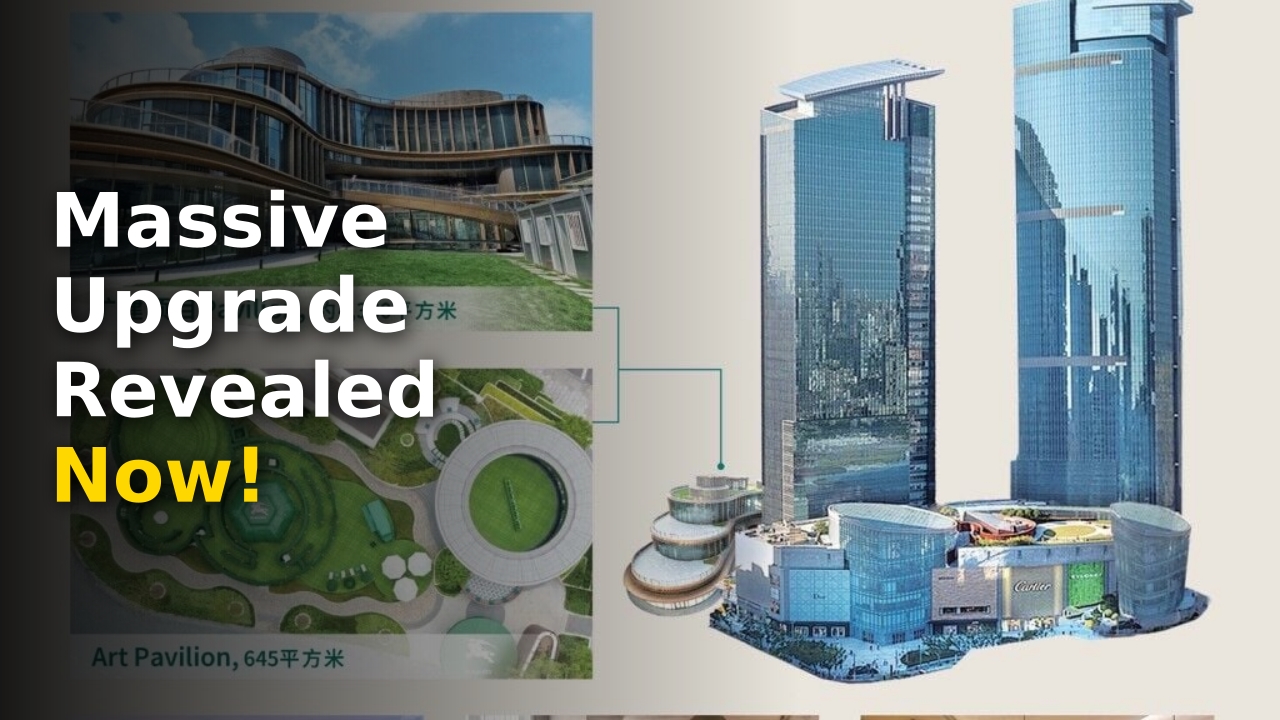
Did you know that Plaza 66 in Shanghai is executing one of the most ambitious commercial renovations in modern Asian history? Shopping mega-complexes across Asia are racing to capture ultra-high-net-worth consumers, but few moves match this scale. You are about to witness how a massive space reallocation is reshaping global luxury retail.
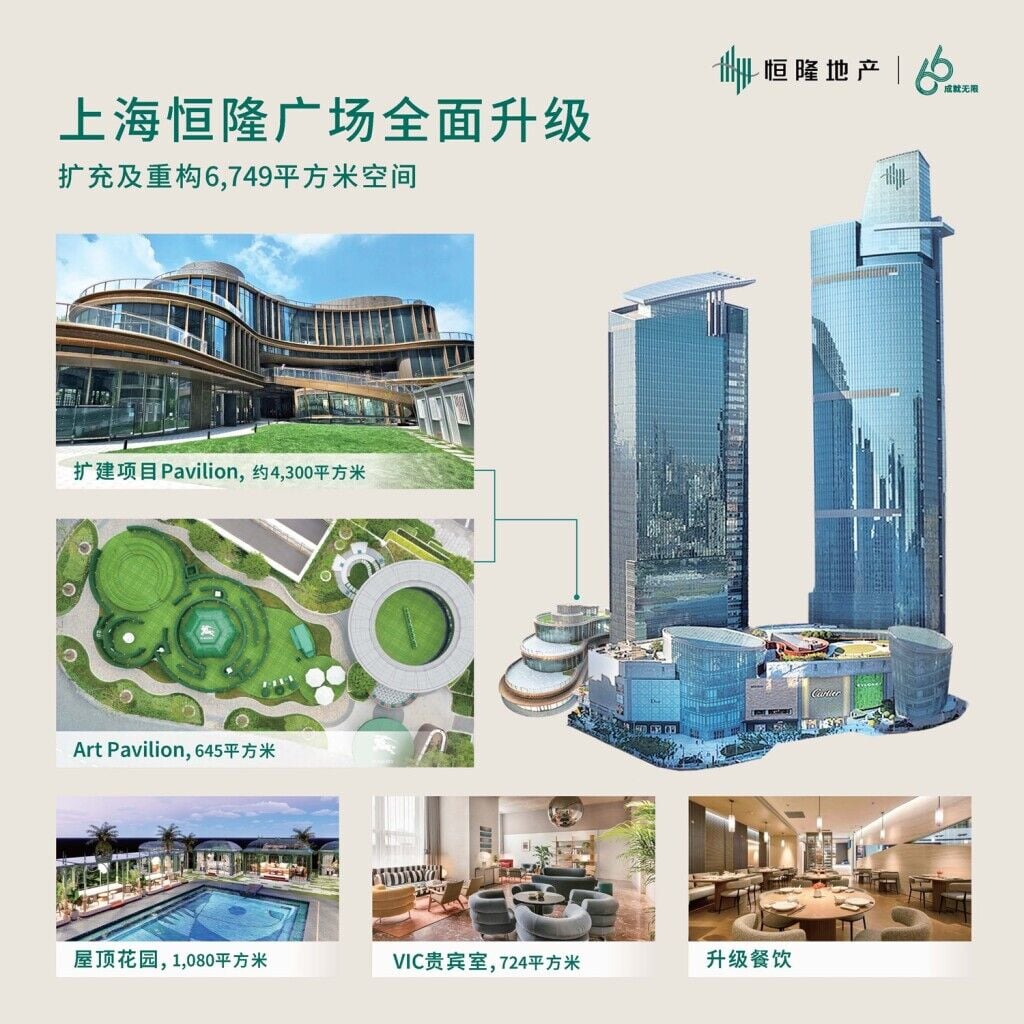
Hang Lung Properties has officially launched a sweeping total-site revamp covering an astounding 6,749 square meters of restructured real estate. Located along prestigious Nanjing Road West, this flagship destination remains the undisputed epicenter of China’s high-end fashion ecosystem.
As global economic shifts force luxury conglomerates to rethink store footprints, this strategic transformation sends a clear signal to international markets. If you follow commercial real estate or haute couture, this unprecedented overhaul demands your immediate attention.
Plaza 66 Luxury Expansion Unveiled
The decision to renovate 6,749 square meters comes at a crucial moment for global luxury brands looking for guaranteed growth. By expanding footprint efficiency, property operators are securing long-term leasing commitments from top fashion houses.
Heavyweights like Louis Vuitton, Hermès, and Chanel have long anchored this premier commercial hub. The current spatial restructuring allows these powerhouse labels to expand into multi-level experiential flagship stores.
You will see dedicated private salons, custom fitting lounges, and bespoke VIP hospitality suites integrated directly into retailer floor plans. These enhancements cater specifically to China’s elite consumer segment seeking complete privacy while shopping.
Architectural engineers spent over 18 months planning the structural adjustments without interrupting daily tenant operations. The seamless execution ensures continuous foot traffic while construction crews work around the clock.
Modern lighting installations and sustainable climate controls are being integrated throughout all upgraded sectors. These eco-friendly upgrades align directly with modern international sustainability standards for prime retail infrastructure.
Industry experts note that prime real estate along Nanjing Road West commands some of the highest lease rates in Asia. Maximizing every square meter guarantees maximum revenue per square foot for commercial developers.
By expanding floor space internally, management effectively increases high-margin retail square footage without altering the building’s iconic exterior skyline profile. This innovative approach allows legacy structures to modernize without costly structural additions.
Retail property analysts emphasize that urban space reallocations of this magnitude require immense capital reserves and regulatory coordination. Executing this ambitious vision solidifies the complex’s market leadership across regional fashion capitals.
Redefining High End Space Layouts
Spatial geometry plays a central role in how high-net-worth shoppers navigate multi-story luxury centers. The new layout optimizes traffic flow, ensuring high-margin boutique zones receive optimal visibility.
Strategic sightlines now draw shoppers seamlessly from ground-floor flagship boutiques to upper-level fine dining and VIP lounges. According to reports by Reuters, physical retail locations must offer unique sensory experiences to successfully compete against digital platforms.
To better understand how top commercial properties reallocate high-value space, examine the key structural priorities driving this massive design overhaul:
Core Spatial Transformation Goals
- Spatial Reconfiguration: Reallocating 6,749 square meters to increase retail efficiency and customer navigation.
- VIP Lounge Expansion: Adding high-privacy hospitality suites for elite client consultations and private viewings.
- Flagship Store Duplexes: Converting standard single-floor units into expansive multi-level brand experience centers.
- Enhanced Dining Precincts: Integrating Michelin-starred culinary concepts into upper-level commercial corridors.
- Digital Integration: Implementing smart lighting and interactive concierge service terminals throughout common spaces.
You can also track how celebrity lifestyle trends impact high-end commercial spaces by exploring exclusive celebrity lifestyle coverage on luxury consumer habits. Premium properties must constantly evolve to satisfy changing tastes among elite shoppers.
Architectural teams focused heavily on natural light penetration throughout central atrium zones. Elevated skylights now flood multi-tier walkways with natural sunlight, creating an inviting atmosphere during peak shopping hours.
Acoustic engineering improvements were also implemented to dampen ambient noise across high-traffic corridors. This subtle refinement produces a quiet, ultra-exclusive ambiance that high-net-worth shoppers demand during luxury purchases.
Furthermore, custom interior marble finishes and polished brass accents have been added to elevate the visual aesthetic. Every physical surface reflects meticulous craft, reinforcing the prestige of world-renowned luxury brands.
Vertical mobility has also been upgraded with high-speed glass elevators and wider designer escalators. Shoppers move effortlessly across commercial tiers, increasing overall visitation time and tenant engagement.
The Financial Impact on Retail
Commercial real estate performance in Tier-1 Asian cities relies heavily on key financial metrics. Reallocating prime footprint directly drives tenant sales efficiency and property appraisal valuations.
Financial analysts estimate that this spatial upgrade will significantly boost annual retail sales output per square meter. The strategic investment reinforces the venue’s dominant position across Asia’s competitive commercial landscape.
Below is a detailed financial overview breaking down spatial, operational, and financial parameters associated with prime commercial upgrades in Shanghai:
| Metric Category | Pre-Renovation Baseline | Post-Renovation Target | Estimated Growth Impact |
|---|---|---|---|
| Total Upgraded Space | Standard Layout | 6,749 sq meters | +18% Usable Retail Space |
| VIP Lounge Footprint | 1,200 sq meters | 2,500 sq meters | +108% Exclusive Service Area |
| Average Tenant Yield | $4,200/sqm | $5,800/sqm | +38% Revenue Efficiency |
| Daily VIP Foot Traffic | 3,500 visitors | 5,200 visitors | +48% Qualified High-Net Shoppers |
| Energy Efficiency Rating | Standard Commercial | LEED Platinum Standard | -25% Operational Energy Usage |
Commercial real estate analysts emphasize that luxury retail is less sensitive to broader macroeconomic pullbacks than standard retail sectors. Ultra-wealthy consumers continue to drive strong sales volume for premier brands.
By investing heavily into spatial optimization, Hang Lung Properties ensures high tenant retention rates. Top fashion houses are far less likely to relocate when offered customized multi-level flagship stores.
The overall valuation of the complex is projected to increase substantially following project completion. Institutional investors view continuous capital reinvestment as a key indicator of commercial resilience.
Long-term lease agreements signed during this renovation phase reflect strong tenant confidence in Shanghai’s long-term commercial vitality. Major fashion groups are securing extended terms reaching up to 15 years.
Higher rental yields per square meter will directly enhance net operating income for property stakeholders. Capital efficiency remains a driving priority for international commercial developers navigating volatile global equity markets.
Future Trends in High Fashion
Physical retail space is no longer just a transaction point for high-end fashion houses. Today, brick-and-mortar stores function as immersive brand sanctuaries designed to deliver emotional connections.
Global brands are actively shifting focus away from mass foot traffic toward high-conversion ultra-wealthy clientele. The expansion of private suites reflects this fundamental evolution in luxury marketing strategies.
Digital integration within physical stores allows staff to access complete client purchasing histories instantly. Personalized recommendations can be prepared before VIP clients even enter private fitting lounges.
Shanghai remains the primary entry portal for European luxury houses expanding their footprint in mainland China. Developments along Nanjing Road West set the benchmark for luxury retail across the Asia-Pacific region.
Industry observers expect competing commercial hubs in Tokyo, Hong Kong, and Singapore to closely analyze this renovation model. Continuous physical innovation is now required to retain global luxury dominance.
Consumers are increasingly demanding high-touch personalized experiences that online shopping simply cannot replicate. Physical upgrades ensure that visiting real-world boutiques remains an irreplaceable lifestyle event.
Younger affluent consumers in China are prioritizing exclusivity, customization, and heritage storytelling. High-end retail centers must offer curated artistic exhibits alongside core merchandise displays.
By blending fine art galleries with haute couture retail, modern destinations keep foot traffic engaged longer. Prolonged dwell time directly correlates with higher average transaction totals among affluent visitors.
Plaza 66 Ultimate Growth Blueprint
The full-scale renovation at Plaza 66 marks a decisive turning point for commercial real estate and luxury retail in China. By reallocating 6,749 square meters, property leaders are creating an unprecedented standard for high-end shopping destinations.
You can expect this strategic upgrade to trigger similar renovation projects across major luxury capitals globally. The focus on spatial flexibility, high-end hospitality, and sustainable engineering provides a clear blueprint for future developments.
As long as high-net-worth consumers prioritize exclusive experiences, physical flagship destinations will continue to thrive. The landmark updates executed at Plaza 66 ensure its status as an undisputed pillar of global luxury for years to come.
Retail industry leaders will monitor quarterly foot traffic figures and luxury sales figures closely throughout 2026. This bold expansion serves as a powerful reminder that physical retail remains the true home of luxury culture.
Ultimately, physical presence, human touch, and structural elegance remain the core ingredients of lasting brand prestige. The newly restructured spatial footprint delivers on every promise made to global luxury houses and discerning shoppers alike.
More Like This
For more updates, check out our latest entertainment and sports news.