Key Takeaways
| The Lanterns buddy cop show dynamic officially arrives with the manifestation of the Halogram. |
| Kyle Chandler brings a lighter, more adventurous Hal Jordan to contrast with John Stewart’s rigid intensity. |
| Emotional stakes are raised through themes of generational trauma and the haunting legacy of the Jordan boys. |
| Despite narrative improvements, the series remains rooted in an atmospheric tone of deep loss and regret. |
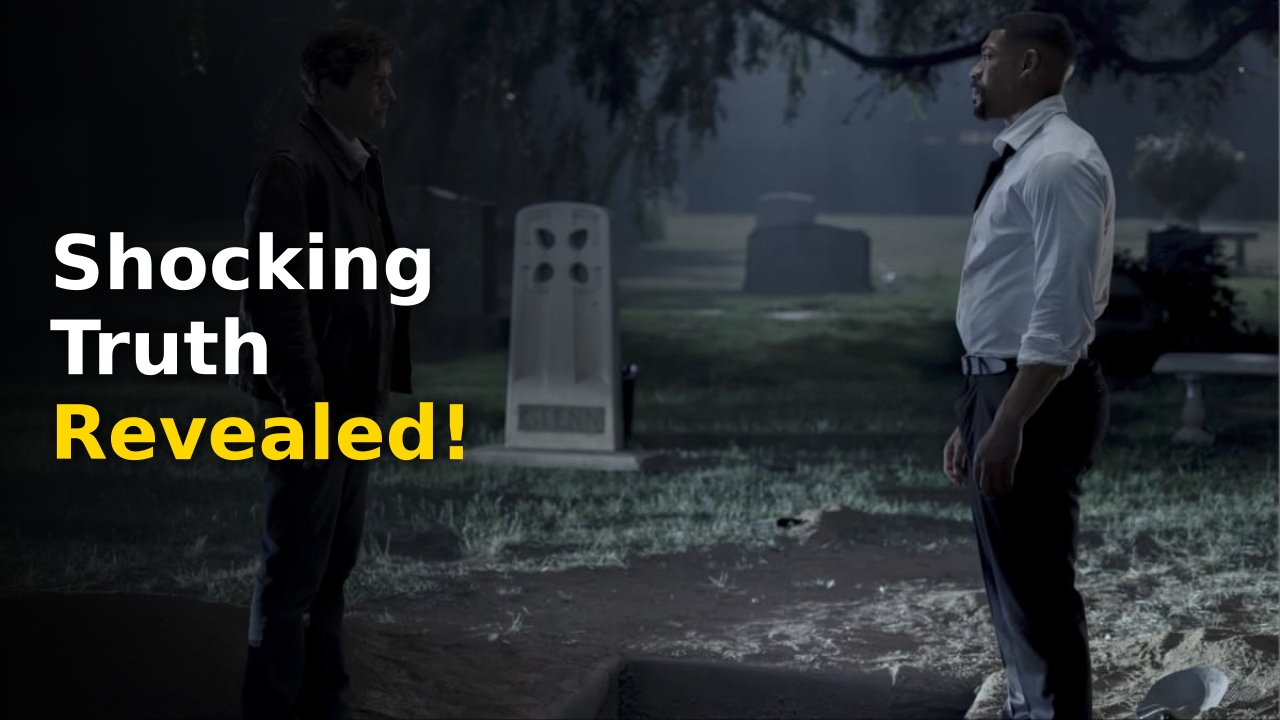
Lanterns buddy cop show tropes finally manifest in the latest episode, “The Jordan Boys,” but the arrival comes with a melancholy cost that redefines the series’ trajectory. You have likely waited for the witty banter and mismatched partnership promised in the initial marketing, yet this iteration of the Green Lantern mythos prefers existential dread over traditional action. By killing off the primary version of Hal Jordan, the writers have ironically freed the show to explore the dynamic fans clamored for all season.
The introduction of the Halogram allows Kyle Chandler to deliver a version of the iconic hero who is not yet burdened by a decade of decay. As he interacts with John Stewart, played by the formidable Aaron Pierre, the chemistry finally clicks into the classic trope structure. While the show gives us the banter we craved, it refuses to abandon the somber, grounded reality that distinguishes this DC universe entry from its predecessors.
The Evolution of the Lanterns Buddy Cop Show
The core tension in this week’s narrative shift revolves around the realization that John finally has the mentor he never asked for. By using the Halogram as a digital echo of a lost legend, the creative team avoids the trap of a standard resurrection. This version of Hal is reckless, fun, and profoundly confused, offering a stark contrast to John’s disciplined military background. Their interactions feel earned because they are built upon the wreckage of a failed mentorship.
Aaron Pierre shines as John Stewart, displaying a newfound agency that was previously suppressed by his status as a trainee. Watching John realize he can literally mute his mentor with a simple command—or a track from Outkast—adds a layer of absurdity that highlights the show’s potential for dark humor. This is no longer just a procedural; it is a character study of two men trying to bridge a gap that spans time and death itself.
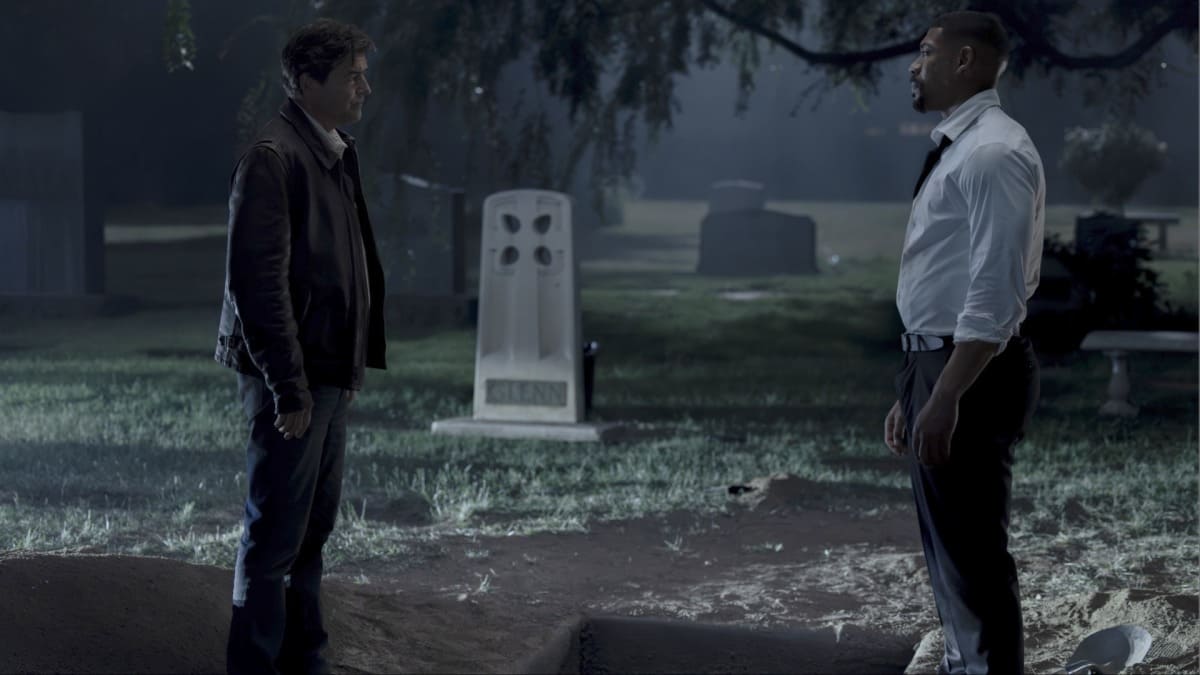
The narrative decision to limit the Halogram’s battery life to five percent acts as a ticking clock that heightens every interaction. Without a central power battery to recharge, each moment between the two is fleeting and precious. This constraint forces the audience to view their relationship not as a permanent fixture, but as a temporary, volatile experiment in cooperation.
Key Performance Metrics and Character Dynamics
| Character | Role | Emotional State |
|---|---|---|
| Hal Jordan | Halogram/Mentor | Reckless/Confused |
| John Stewart | Trainee/Lead | Wary/Determined |
| Kerry | Confidante/Anchor | Heartbroken/Stoic |
Kelly Macdonald provides the emotional grounding that keeps the series from floating away into pure sci-fi abstraction. Her performance as Kerry in the aftermath of the Halogram reveal is a masterclass in subtlety. When she flinches at the sight of her dead lover, she communicates more about the show’s themes of loss than any monologue could. She represents the “non-super” perspective, effectively anchoring the cosmic stakes in a very human, painful reality.
By the numbers, the show’s success hinges on whether it can balance this intimate drama with the grander, IMDb records regarding DC series reception and audience expectations. The shift toward a more dynamic Lanterns narrative suggests that showrunners are listening to criticism. They are weaving together the personal failures of the Jordan lineage with the high-stakes world-building fans expect from a Green Lantern story.
Background and Generational Trauma
The backstory of the Jordan family serves as the structural backbone of this episode, exploring the cyclical nature of fear and suicide. The flashback sequences featuring young Hal and his father, Martin Jordan, provide necessary, albeit heavy, context for why Hal is so broken. It is a bold choice to frame a superhero’s origin through the lens of generational inadequacy, yet it resonates with the grounded tone Bright Celebrity has tracked throughout the season.
Expert analysts often point to the “hero’s burden” as a trope in comic adaptations, but here, the burden is literalized as a suicide note and a locked safe. By deconstructing the myth of the heroic father figure, the episode forces us to confront the fact that Hal Jordan was never invincible. As he admits to John, he is not fearless; he is simply someone who learned to hide his broken pieces better than most. This vulnerability is the key to why the buddy cop dynamic works—John isn’t looking up to a god; he is trying to support a ghost who never felt like a man.
People Also Ask
What happened with the Halogram in the latest episode?
The Halogram is a digital manifestation of Hal Jordan created after his death. It allows Kyle Chandler to play an earlier, more adventurous version of the character while John Stewart attempts to navigate his new responsibilities.
Why is the show being compared to a buddy cop series?
The show relies on the classic trope of a veteran mentor and a reluctant trainee. The banter between the Halogram and John Stewart finally delivers the personality contrast that trailers originally promised viewers.
How does Kerry’s character affect the plot of Lanterns?
Kerry serves as the emotional heart of the trio, providing a human connection to the tragedy of the Jordan family. Her reaction to the Halogram highlights the painful complexity of the show’s themes regarding love and loss.
Will there be more focus on Sinestro moving forward?
Yes, the episode confirms that the villain Sinestro is operating from a remote, desolate planet. His impending conflict with the younger, less experienced Hal and John signals a shift toward more traditional, universe-spanning adventure.
Final Thoughts on the Series
The Lanterns buddy cop show is finally here, even if it is built on a foundation of grief. While fans may still be waiting for the standard, colorful superhero spectacle, the current direction offers something far more compelling: a deep dive into the cost of power. By embracing the broken nature of its protagonists, the series has found its footing. It is a show about human limits, the weight of the past, and the terrifying reality of what happens when the ring is finally removed.
More Like This
For more updates, check out our latest entertainment and sports news.