⚡ Key Takeaways
- Charles Schulz’s most profound quote was hidden in a 1966 spelling bee storyline.
- The iconic line was inexplicably left out of the 1969 feature film adaptation.
- Schulz remarkably passed away just one day before his final comic strip was published.
- The ‘Peanuts’ creator produced nearly 18,000 strips over his legendary 50-year career.
You are likely overlooking the most essential piece of Peanuts Wisdom ever penned by the legendary Charles Schulz. While the world remembers the holiday specials and the iconic zig-zag shirt, a specific 1966 comic strip contains a philosophical bombshell that remains largely ignored by the mainstream today. This single line of dialogue provides more insight into the human condition than most modern self-help books combined.
For over five decades, Charlie Brown served as the vessel for our collective anxieties, failures, and quiet hopes. On February 3, 1966, Charles Schulz gifted us a perspective on life that defines the very essence of the American spirit. This wasn’t just a gag for the funny pages; it was a manifesto for anyone who has ever been afraid to fail. You need to understand the weight of these words to truly appreciate the depth of the Peanuts legacy.
The brilliance of this moment lies in its simplicity and its setting within a high-stakes elementary school spelling bee. Charlie Brown, the perennial underdog, decided to do something uncharacteristic: he volunteered to compete. It is within this struggle that we find a quote so sharp and so true that it echoes through the decades. Let’s dive deep into the 1966 archives to uncover why this specific piece of Peanuts Wisdom matters more now than ever before.
Peanuts Wisdom Unveiled Today
The story arc began on February 2, 1966, and stretched across sixteen consecutive daily strips. Charlie Brown felt the sudden urge to prove himself, a rare burst of confidence that often leads to his most heartbreaking moments. When he tells Lucy van Pelt about his decision to enter the spelling bee, she reacts with her trademark skepticism and mockery. Lucy represents the voice of the critic, the one who reminds us of our past failures to keep us from future growth.
In response to her ridicule, Charlie Brown doesn’t just mope or sigh; he snaps back with a profound existential defense. He shouts, “Well, what’s wrong? What’s wrong with trying?! I can try, can’t I?” It is then that he delivers the heavy hitter: “What’s the good of living if you don’t try a few things?” This is the peak of Peanuts Wisdom, encapsulated in eleven simple words that challenge the reader to evaluate their own willingness to risk embarrassment for the sake of experience.
This particular strip highlights the recurring theme of the “Everyman” struggle that Charles Schulz mastered throughout his career. Charlie Brown isn’t asking for success; he is merely demanding the right to attempt it. In a world increasingly obsessed with perfection and viral success, this 60-year-old quote serves as a necessary corrective. It reminds us that the value of a life is found in the effort, not just the trophy case.
Surprisingly, even Charles Schulz may have underestimated the power of this specific line. When he later adapted the spelling bee storyline for the 1969 film A Boy Named Charlie Brown, this profound piece of Peanuts Wisdom was left on the cutting room floor. The movie followed the same narrative beats, but it missed the philosophical anchor that made the original comic strip so poignant for adult readers. It is a rare instance where the source material outshines a successful cinematic adaptation in intellectual depth.

The Spelling Bee Disaster
The spelling bee itself serves as a masterclass in tension and character-driven comedy. Charlie Brown makes it through the initial rounds, building a sense of hope that is almost palpable for the reader. We want him to win, even though we know the DNA of the strip rarely allows for a clean victory. The stakes were high, and Charles Schulz used this narrative to explore the crushing weight of public expectation on a young child’s shoulders.
When the moment of truth arrived, Charlie Brown faced the word “maze.” In a tragic twist of fate, he spelled it “m-a-y-s,” likely influenced by his admiration for baseball legend Willie Mays. This error wasn’t just a spelling mistake; it was a collision of his personal passions and his public performance. The resulting shame sent him back to his desk in tears, a visual representation of the “trying” he had defended only days earlier.
Expert Take: Historians at the Charles M. Schulz Museum note that 1966 was a pivotal year for the strip’s transition into “existential minimalism.” By this point, Peanuts was appearing in over 2,600 newspapers worldwide. Schulz was no longer just drawing cartoons; he was conducting a daily psychological experiment on a global scale. This quote about the “good of living” reflects the artist’s own philosophy of persistent labor despite his battles with chronic anxiety and health issues.
Data Analysis of Peanuts Success
| Metric Category | Statistical Figure | Historical Impact |
|---|---|---|
| Total Comic Strips | 17,897 | The longest story ever told by one human. |
| Peak Global Reach | 355 Million Readers | Translated into 21 different languages. |
| Yearly Revenue Peak | $1 Billion+ | Dominated merchandising for decades. |
| Career Duration | 50 Years | October 1950 to February 2000. |
The numbers above illustrate that Peanuts Wisdom wasn’t just a niche phenomenon; it was a cultural juggernaut. Charles Schulz worked without a team of writers or inkers, ensuring that every word of Peanuts Wisdom came directly from his own hand and heart. This level of creative control is almost unheard of in the modern entertainment industry, where brands like Bright Celebrity analysis often shows the dilution of original intent through corporate committees.
When we look at the sheer volume of work, the consistency of the message is staggering. Schulz was obsessed with the idea of the “small defeat.” He understood that most of our lives are not made of grand victories, but of small attempts to be better than we were yesterday. The 1966 spelling bee arc is the purest distillation of this career-long thesis.
The Final Bow of Charles Schulz
The timing of Charles Schulz‘s passing is one of the most poignant coincidences in literary history. He died on February 12, 2000, at the age of 77, after a grueling battle with colon cancer. Remarkably, his final Sunday strip ran the very next day. This timing felt like a final gift to his readers, a planned exit that he didn’t even realize he had perfectly synchronized with his own mortality.
Schulz had announced his retirement two months prior, but the lead time required for Sunday strips meant he had finished his final work weeks before his death. In that final strip, Snoopy sits atop his doghouse with a typewriter, delivering a farewell message from the creator himself. It was a meta-commentary that transformed the comic page into a literal obituary. The world mourned not just a cartoonist, but a philosopher who used Peanuts Wisdom to guide us through the 20th century.
His impact on the medium cannot be overstated. Before Peanuts, comic strips were largely slapstick or adventure-based. Schulz introduced internal monologues, depression, and social commentary into the four-panel grid. He paved the way for works like Calvin and Hobbes and The Far Side, proving that the funny pages could be a place for deep intellectual inquiry.
The Legacy of the Round-Headed Kid
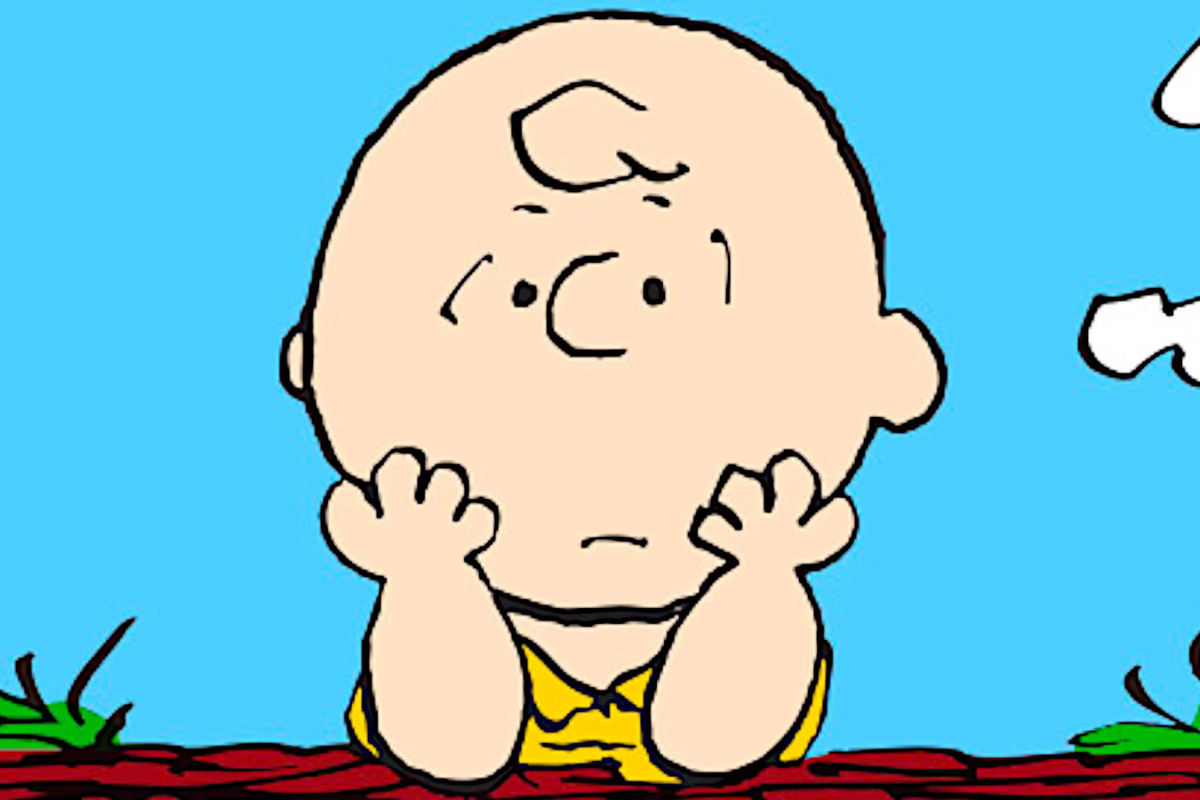
Why does the “round-headed kid” continue to resonate? It is because Charlie Brown never gave up. Despite the kite-eating tree, the football-pulling pranks of Lucy, and the constant spelling bee failures, he always returned. This resilience is the backbone of all Peanuts Wisdom. It teaches us that the only true failure is the refusal to try.
Modern fans often look toward the Peanuts specials for comfort, but the original strips offer something more rigorous. They offer a way to navigate a world that is often cold and indifferent. When Charlie Brown asks what the good of living is if you don’t try, he is speaking to every person who has ever felt stuck in their comfort zone. He is the patron saint of the brave amateur.
By The Numbers: According to a 2024 analysis of syndicated comic history, Charles Schulz remains the most successful solo cartoonist of all time. His estate continues to generate upwards of $30 million annually, proving that the demand for Peanuts Wisdom has not waned in the digital age. Generations of new readers are discovering these 1966 strips through social media, where the minimalist art style and profound text fit perfectly into the modern aesthetic.
Frequently Asked Questions
What is the most famous Peanuts quote?
While many people cite “Happiness is a warm puppy,” scholars often argue that Charlie Brown‘s 1966 defense of “trying a few things” is the most intellectually significant line in the strip’s history. It represents the core philosophy of the character and his creator, Charles Schulz.
When was the Peanuts spelling bee arc published?
The iconic spelling bee storyline began on February 2, 1966, and ran for 16 consecutive daily strips. It culminated in Charlie Brown‘s heartbreaking misspelling of the word “maze” as “m-a-y-s,” a moment that has since become legendary among comic historians.
Why was the ‘trying’ quote left out of the movie?
While Charles Schulz wrote the screenplay for A Boy Named Charlie Brown, he had to condense 16 strips into a cinematic narrative. The omission of the “What’s the good of living” quote remains a mystery, though some believe the film focused more on the visual spectacle of the national competition than the quiet philosophy of the classroom.
How many Peanuts strips did Charles Schulz draw?
Over a career spanning exactly 50 years, Charles Schulz drew 17,897 individual comic strips. He never used a ghostwriter or a secondary artist, making Peanuts one of the most personal and consistent creative achievements in American history.
Lasting Impact of Peanuts Wisdom
As we look back 60 years later, it is clear that Peanuts Wisdom has lost none of its potency. The world has changed in unimaginable ways since 1966, but the human heart remains the same. We still fear failure, we still crave validation, and we still need to be reminded that the effort itself is a worthy goal. Charles Schulz understood these universal truths better than perhaps any other artist of his time.
If you take nothing else from the legacy of Charlie Brown, remember that 1966 quote. It is a permission slip to fail. It is a reminder that a life spent in the pursuit of “trying things” is a life well-lived, regardless of the outcome. Whether you are spelling a word, starting a business, or simply trying to be a better friend, the spirit of Peanuts Wisdom is there to support you.
In the end, the story of Peanuts is the story of us. It is the story of a man who drew a boy who never won, yet somehow became the greatest winner in the history of the medium. By embracing the Peanuts Wisdom hidden in these forgotten quotes, we can find the courage to face our own “mazes” with a little more grace and a lot more heart. After all, what is the good of living if we don’t try a few things?
More Like This
For more updates, check out our latest entertainment and sports news.