Key Takeaways
| The Lanterns series introduces a new low point for the iconic partnership between Hal Jordan and John Stewart. |
| Historical context clarifies that current onscreen tensions are milder than the 1994 comic event Emerald Twilight. |
| Comic retcons, specifically by Geoff Johns, were necessary to salvage the character of Hal Jordan after his villainous turn. |
| Narrative quality in episode five fluctuates as the show navigates complex character dynamics and internal conflict. |
Lanterns rewrites the worst moment in Green Lantern history by framing the modern struggle between Hal Jordan and John Stewart as a psychological endurance test rather than a total collapse of heroism. You might feel the weight of their constant bickering, yet the show successfully positions these character defects against the backdrop of decades of DC lore. This deep-dive exploration proves that even when the heroes are failing, they remain tethered to a legacy far more complex than a single bad day.
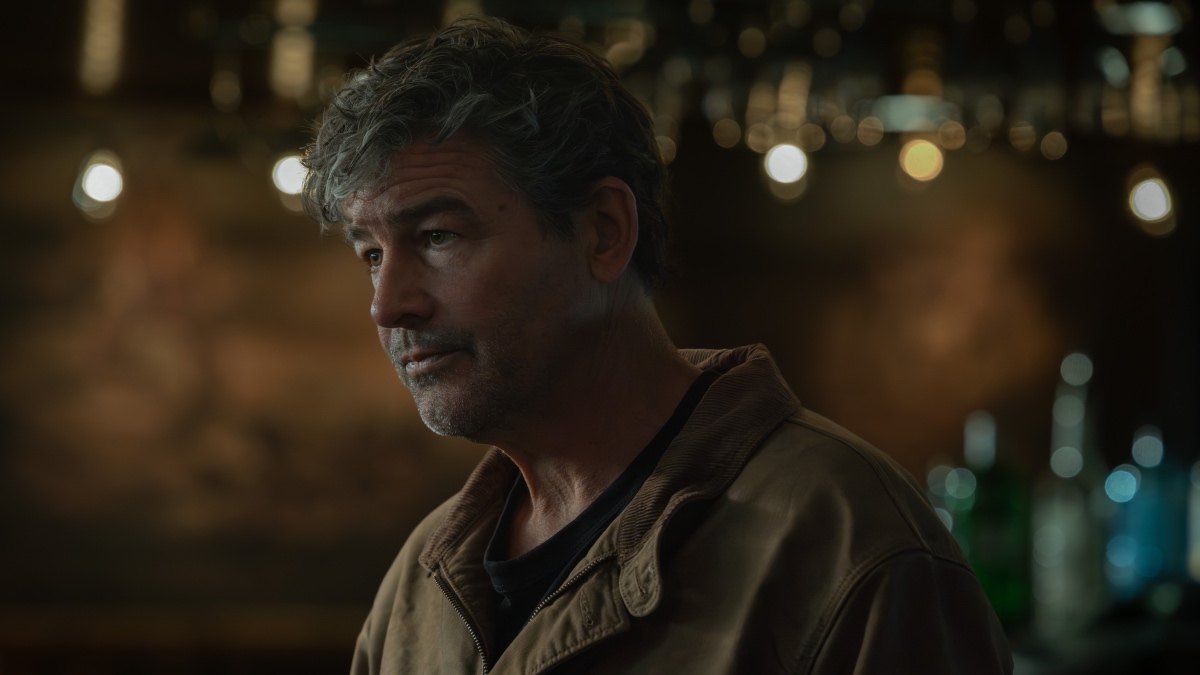
The current iteration of these iconic defenders, played by Kyle Chandler and Aaron Pierre, operates within a narrative space that demands high-stakes friction. Throughout the first five episodes, the show has made it painfully clear that trust is the primary casualty of their mission. As the conflict in Rushville escalates, the sniping between these two leads feels like a intentional subversion of the traditional superhero team-up trope. It forces you to question whether these men are truly meant to serve as partners or if they are simply two broken tools forced into the same toolbox.
Analyzing Why Lanterns Rewrites the Worst Moment in Green Lantern History
The tension boiling over in the latest episode highlights a significant deviation from what comic book fans typically expect from the Green Lantern Corps. By focusing on the gritty, interpersonal fallout of their partnership, the series forces the audience to confront the human limitations of men who wield the most powerful weapons in the universe. Unlike the polished, high-flying heroics of previous iterations, this version of Hal Jordan is weary, and John Stewart is burdened by the tactical pressures of the mission.

This is not merely a drama about space cops; it is a character study on the fragility of ego. When you look at the source material, particularly the Green Lantern/Green Arrow runs of the 1970s, you see the seeds of this disillusionment. The showrunners have clearly looked toward those older stories to find a grounded, albeit messy, tone. By leaning into these flaws, they are effectively dismantling the myth that Hal Jordan is an infallible figure of absolute willpower.
However, you should note that this creative choice comes with risks. By stripping away the heroic sheen, the show leaves viewers with a narrative that can feel disjointed or even frustratingly petty. When the plot demands that your protagonists argue while the world around them tears apart, the narrative tension risks slipping into melodrama. For fans seeking classic, swashbuckling adventures, the current focus on character interpersonal issues might feel like a step down in overall series quality.
The Legacy of Emerald Twilight
To understand why current events are being compared to the absolute bottom of the barrel, one must look at Emerald Twilight. In 1994, the DC Universe saw a version of Hal Jordan that decimated his friends, including the beloved Kilowog, and transitioned into the villainous entity Parallax. This era, written by Ron Marz, remains the most controversial period in the history of the franchise, largely due to how drastically it altered the character’s core trajectory. You can find extensive analysis of this period in the archives of IMDb’s deep character research databases, which detail the public reception at the time.
By the Numbers: Heroic Failures and Narrative Shifts
The history of the DC universe is paved with failed attempts to reset the status quo. When comparing the current TV narrative to the history of the printed page, the contrast in stakes becomes immediately visible. The table below illustrates the shift from the traditional, Silver Age depiction to the modern, serialized conflict you see on HBO today.
| Era/Storyline | Core Conflict | Impact on Heroism |
|---|---|---|
| Silver Age | External Threats | High (Infallible) |
| Emerald Twilight | Internal Grief/Villainy | Total Collapse |
| Geoff Johns Era | Identity Redemption | Restorative |
| Lanterns (TV) | Partner Mistrust | Psychological |
Historical Context and Modern Interpretations
Understanding the weight of this adaptation requires acknowledging the massive pivot performed by Geoff Johns in the early 2000s. Through his Green Lantern: Rebirth run, Johns effectively retconned the villainous actions of Hal Jordan by introducing the concept of the Yellow Impurity. This narrative device allowed the studio to transform a mass-murdering villain back into a flawed but ultimately noble hero. You can learn more about how these editorial mandates shape character longevity through expert breakdowns on Bright Celebrity.
The current series, Lanterns, is navigating a middle ground that neither the 1990s nor the 2000s dared to explore. It isn’t trying to make these men perfect icons, nor is it trying to turn them into unstoppable monsters. Instead, it places them in a position where their shared history and their individual trauma prevent them from functioning. If you have been following the progression of the Manhunter plotline, you see exactly how the lack of coordination puts civilians at risk in Rushville.
This is a bold stylistic choice. Many long-time fans might argue that this detracts from the legacy of the Green Lantern Corps, but others find it refreshing. It treats the source material as a foundation rather than a prison, allowing the show to explore the psychological toll of cosmic duty. The reality is that industry analysts at Bright Celebrity have long suggested that modern audiences are less interested in perfection and more drawn to complex, layered failures in their favorite IP adaptations.
People Also Ask
What happened with the Lanterns series in episode 5?
Episode five, titled Lights Out, depicts a significant low point in the partnership between Hal Jordan and John Stewart. The duo fails to coordinate effectively against the Manhunter threat, resulting in chaos within the town of Rushville.
Why is Emerald Twilight considered the worst moment for Hal Jordan?
Emerald Twilight is viewed negatively because it abruptly turned the heroic Hal Jordan into a mass-murdering villain named Parallax. Many fans felt the story rushed his character development and forced an unnecessary, destructive narrative path.
How does this new show affect the Green Lantern legacy?
The show challenges traditional perceptions by focusing on interpersonal conflict and trauma over classic superhero tropes. It updates the characters for a modern, character-driven television landscape while acknowledging established comic history.
When do new episodes of Lanterns air?
New episodes of the series air every Sunday at 9pm EST on HBO and are simultaneously available to stream on Max.
Refining the Legacy of Hal Jordan
In the final analysis, the series proves that character growth often requires a dive into the darker aspects of personal history. While fans may debate whether Lanterns rewrites the worst moment in Green Lantern history, the impact on the ongoing narrative remains undeniable. By balancing the heavy burden of the past with the immediate tensions of the present, the show creates a compelling reason to keep watching, even when our heroes are at their absolute worst. For more updates on the show’s development, keep your eyes on the latest analysis from the editorial team at Bright Celebrity.
More Like This
For more updates, check out our latest entertainment and sports news.