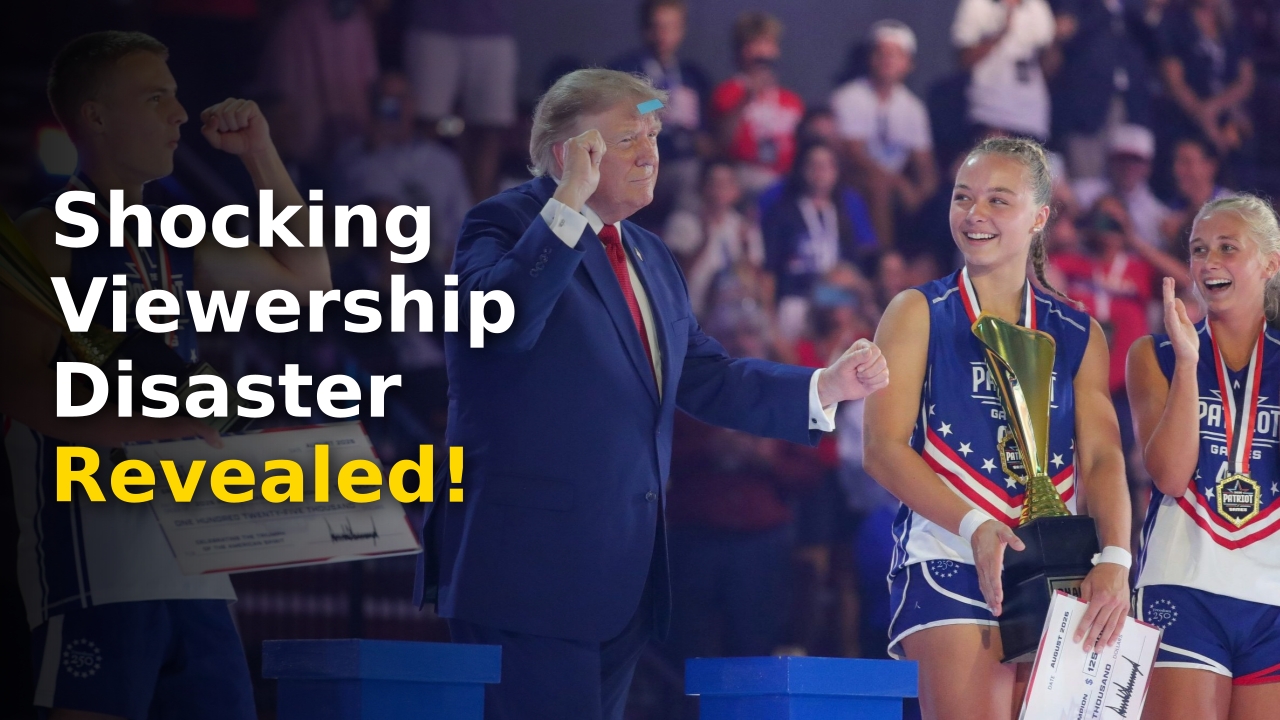
Patriot Games television broadcasts have historically aimed to capture the country’s national spirit, but ABC’s latest primetime telecast did the exact opposite. Have you ever watched a major television network completely bury its own primetime programming? You might be shocked to learn how few people actually tuned in to watch this highly controversial spectacle in August 2026.
The broadcast drew a minuscule audience that has left television executives scratching their heads. In an era where live sports dominate the ratings, this sudden dip raises major questions about corporate programming decisions. Let us break down exactly why this highly controversial broadcast failed to capture the public’s attention.
Patriot Games Rating Disaster
The numbers are in, and they paint a bleak picture for the Disney-owned network’s experimental broadcast. Last Thursday, the much-talked-about Patriot Games managed to pull in only 1.21 million viewers during its one-hour primetime block. To put that in perspective, a repeat episode of the 43-year-old game show Press Your Luck scored more than double that audience in the exact same timeslot in previous weeks. The contrast is not just embarrassing; it highlights a massive disconnect between network programming and viewer interest.
You might wonder why a network like ABC would broadcast a show with virtually zero pre-air promotion. Industry insiders suggest that ESPN, which handled the production logistics, wanted almost nothing to do with the glorified high school fitness test. The decision to broadcast the Patriot Games during a highly competitive summer season puzzled many media analysts. The lack of commercial promotion suggested that Disney executives already anticipated a quiet ratings disaster.
By airing a taped one-hour highlight package two full days after the events concluded, ABC virtually guaranteed a cold reception. Sports fans in August 2026 demand real-time drama, not a delayed, heavily edited package of high school students playing pop-a-shot. The complete lack of digital buzz leading up to the Thursday night premiere further crippled its chances. Without a strong social media campaign, the program was dead on arrival, leaving a massive hole in ABC’s primetime schedule.

Farcical Sports Experiments
- The inclusion of low-stakes high school fitness drills instead of elite professional athletes.
- A massive lack of promotion across major ESPN networks including ESPN2 and SEC Network.
- A delayed tape-delay broadcast format that ruined any sense of live, unpredictable drama.
- Overt political overtones that alienated a significant portion of the traditional sports audience.
- Awkward corporate optics featuring top-tier executives looking visibly uncomfortable on camera.
The Disney Corporate Dilemma
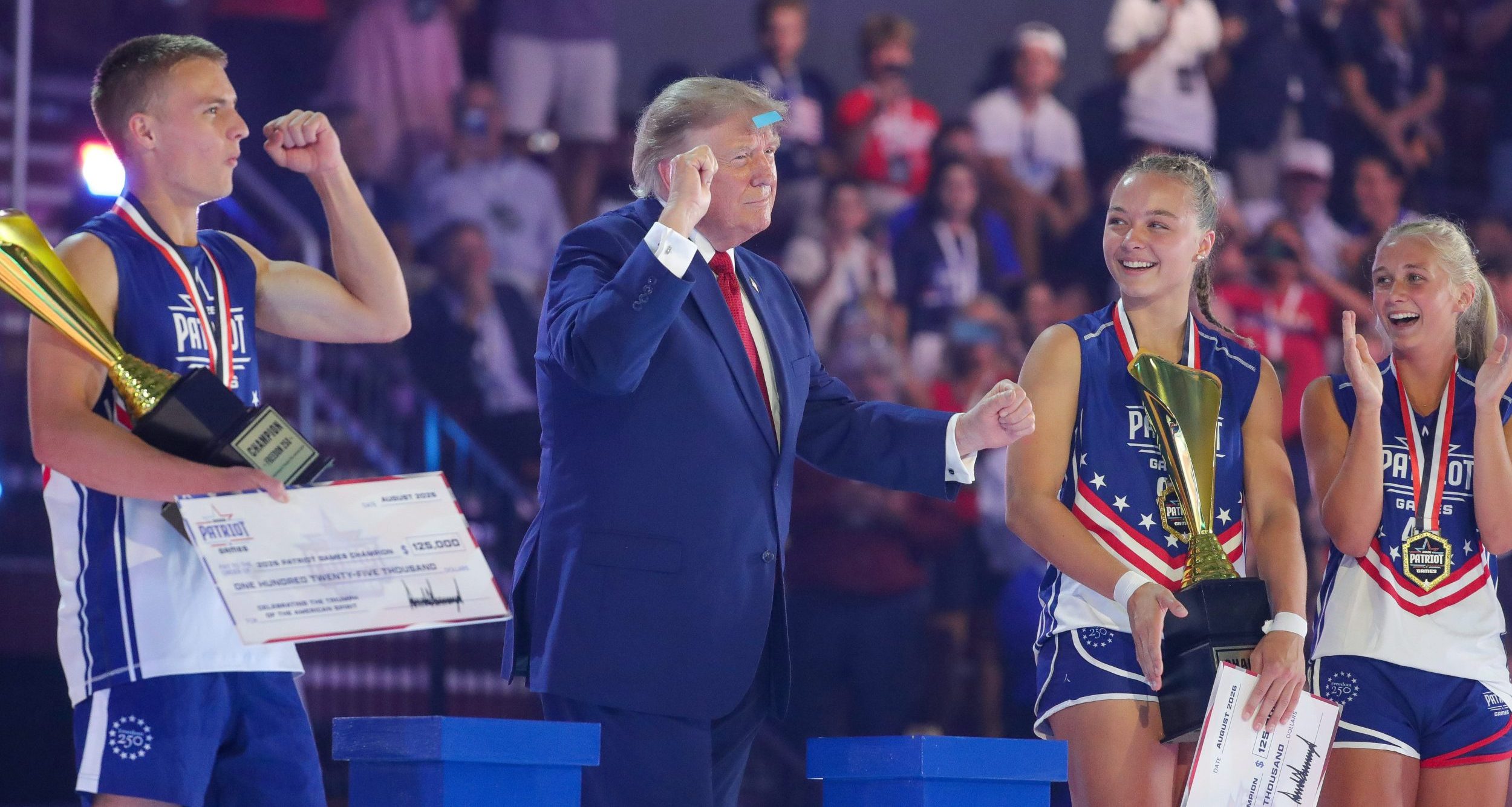
Behind the scenes, the event created a fascinating power dynamic among some of media’s most powerful figures. Disney CEO Josh D’Amaro was spotted sitting front and center during the Patriot Games grand finale. Joining him in the VIP section was ESPN chairman Jimmy Pitaro and the network’s loudest frontman, Pat McAfee. The trio sat side-by-side with President Donald Trump, participating in what critics described as a mandatory corporate ring-kissing ceremony.
Despite this high-profile executive presence, the corporate support did not translate to actual airtime. Disney’s networks relegated the entire multi-day competition to a single, lonely hour on a Thursday night. This half-hearted broadcast strategy shows a deep internal conflict within the sports entertainment giant. While top executives felt compelled to show public alignment with the administration, the programming departments clearly resisted.
You can see this hesitation in how ESPN buried any mention of the event on its flagship shows like *SportsCenter*. For a detailed look at how sports media giants navigate these complex political landscapes, check out the latest industry profiles on Bright Celebrity. Ultimately, this dual strategy of public compliance and private avoidance backfired completely. It succeeded only in producing a low-rated television program that pleased neither political allies nor mainstream sports fans.
Trump’s Freedom 250 Initiative
To understand how this bizarre television event came to be, you have to look at the broader political landscape of Washington, D.C. in 2026. The Patriot Games were born out of the administration’s national fitness push. Dubbed the Freedom 250 initiative, the program was designed to promote physical fitness among American youth through patriotic-themed competitions. However, translating a national policy into an engaging television product is a notoriously difficult task.
Historically, state-sponsored fitness programs have struggled to find a commercial television audience in the United States. You can read more about the history of physical education initiatives on Wikipedia. Unlike professional sports leagues like the NFL or NBA, these games lacked established stars, regional rivalries, or historical stakes. Viewers were expected to care about high school physical fitness tests simply because of the patriotic framing.
This lack of narrative organic tension meant that the broadcast felt more like a state-mandated documentary than an exciting sports tournament. The heavily sanitized production value further stripped away any potential for spontaneous, raw human drama. As a result, the national initiative failed its first major media test, proving that even the highest political backing cannot force millions of Americans to turn on their television sets.
Analyzing Patriot Games Data
To truly comprehend the scale of this ratings disaster, you have to dig deep into the hard viewership data compiled by media analysts. The final numbers recorded by industry tracking services tell a highly definitive story. On Thursday, August 13, 2026, the one-hour highlight show averaged a dismal 1.214 million viewers on ABC. This was not just a minor slip; it represents a historic low for a primetime broadcast in that specific timeslot.
Just one week prior, the network aired its standard summer game show program, Press Your Luck, which drew an impressive 2.863 million viewers. That means the highly promoted political event lost over half of the channel’s established audience. Two weeks before the disaster, Press Your Luck secured 2.884 million viewers, proving that the timeslot has a highly stable, loyal viewer base. The drastic drop indicates that millions of regular ABC viewers actively turned off their televisions when the political fitness show began.
Even in the coveted 18-49 demographic, the broadcast failed to generate any competitive traction. Young viewers, who are already fleeing linear television in droves, showed absolutely zero interest in the high school pop-a-shot challenges. The absolute numbers are presented below to show the stark contrast between ABC’s standard summer lineup and this experimental government-aligned broadcast.
| Broadcast Date | Program Title | Total Viewers (Millions) | Timeslot Status |
|---|---|---|---|
| July 30, 2026 | Press Your Luck | 2.884 | Standard Primetime |
| August 6, 2026 | Press Your Luck | 2.863 | Standard Primetime |
| August 13, 2026 | Patriot Games Highlight Show | 1.214 | Special Telecast |
Future Television Broadcast Strategies
With such devastatingly low numbers on the books, the long-term viability of this televised experiment is in serious doubt. Networks cannot afford to waste valuable primetime real estate on programs that alienate more than half of their core audience. Industry analysts believe that if the event returns next year, it will likely be buried deep within Disney’s digital apps. Moving the program to ESPN+ or the Disney+ streaming platform would allow the company to fulfill its political obligations without sacrificing precious broadcast ratings.
This move would also spare major corporate sponsors the public embarrassment of aligning with a commercial flop. Advertisers pay premium rates for primetime spots on ABC, expecting guaranteed eyeballs that a game show like Press Your Luck consistently delivers. For the young athletes who participated, the lack of television viewership is a disappointing outcome. Many of these high schoolers expected a massive national platform, only to perform in front of a ghost-town television audience.
The lessons learned from this television disaster will likely influence how sports networks handle future government-sponsored sporting initiatives. Merging politics, high school athletics, and corporate media remains one of the most volatile formulas in modern entertainment. Only time will tell if the administration insists on a second iteration of the controversial Patriot Games next summer. But for now, Disney and ESPN have a clear message from the viewing public: keep the high school fitness tests off our television screens.
More Like This
For more updates, check out our latest entertainment and sports news.