Paddington 2 is widely considered one of the most heartwarming cinematic achievements of the last decade, but what if the masterminds behind the polite bear had steered a galaxy far, far away instead? When you consider the sheer emotional intelligence and visual whimsy embedded in the adventures of the bear from Darkest Peru, it is not difficult to see why Lucasfilm might have been interested in the creative pairing of Paul King and Simon Farnaby. Yet, the reality is that their potential involvement in the Star Wars universe remained a tantalizing “what if” scenario that never reached the big screen.
You might wonder how the director of a family-friendly masterpiece could transition into the high-stakes, laser-blasting world of Jedi and droids. The answer lies in their unique ability to blend slapstick comedy with genuine, human-centered storytelling—a rare trait that is often missing from the increasingly sterile landscape of modern franchise blockbusters. Even though this specific collaboration fell through, the fact that these creative voices were considered by the heavy hitters in Hollywood speaks volumes about the shifting tides of genre filmmaking.
Paddington 2: Creative Visionaries
The duo of Paul King and Simon Farnaby didn’t just stumble upon the magic that made the second installment of the bear’s saga a global sensation. They spent years meticulously crafting a narrative language that prioritizes character stakes over spectacle, which is exactly why the prospect of them tackling a droid-focused film was so compelling. If you look at their body of work, you will see a recurring commitment to the “underdog” narrative, which fits perfectly within the thematic DNA of the resistance fighting against the Empire.
When you strip away the digital effects and the lore, a great movie is always about the people—or in this case, the droids—at the center of the conflict. King and Farnaby have mastered the art of making the audience care about the mechanical, the small, and the misunderstood. Their proposed script reportedly focused on a droid trying to find their place in the world, mirroring the existential questions often posed in the original George Lucas epics. They brought a sense of wit that is largely absent from the heavier, more somber entries in the space opera franchise.
Understanding their creative process requires a look at how they approach physical comedy. In Paddington 2, every movement of the fur, every blink, and every awkward stumble serves the plot. Translating this attention to detail into the world of industrial design—specifically for droids like R2-D2 or BB-8—would have introduced a level of charm that modern directors often struggle to replicate. You are essentially dealing with actors who cannot rely on facial expressions, forcing a director to lean into body language and environmental interaction.
The industry often views directors as either “blockbuster material” or “auteur indie darlings.” This duo defied those boxes by elevating a children’s character to a level of prestige that earned them universal acclaim from critics and audiences alike. By pushing for a droid-centric story, they were attempting to strip back the bloated Star Wars mythos to find the beating heart underneath the metal. You can find more in-depth coverage on how these industry shifts impact global blockbusters over at Bright Celebrity.
Their collaboration was not just a one-off stroke of luck; it was the result of a long-standing creative partnership. Simon Farnaby, who co-wrote the script, often acts in the projects Paul King directs, creating a shorthand that is rare in the cutthroat environment of major film studios. This synergy is exactly what gives their films such a cohesive, singular voice, even when working under the pressure of massive budgetary constraints and studio expectations.
Many fans were disappointed to learn that the project fizzled out in the development stages. In the world of high-concept Hollywood, thousands of scripts are pitched and discarded every year, but this one felt different. It carried the potential to reset the tone of the franchise, steering it away from dark, gritty war stories and back toward the whimsical adventure that defined the original trilogy. For those who follow industry movements, this serves as a reminder of how quickly even the best ideas can be sidelined by shifting executive priorities at Lucasfilm.
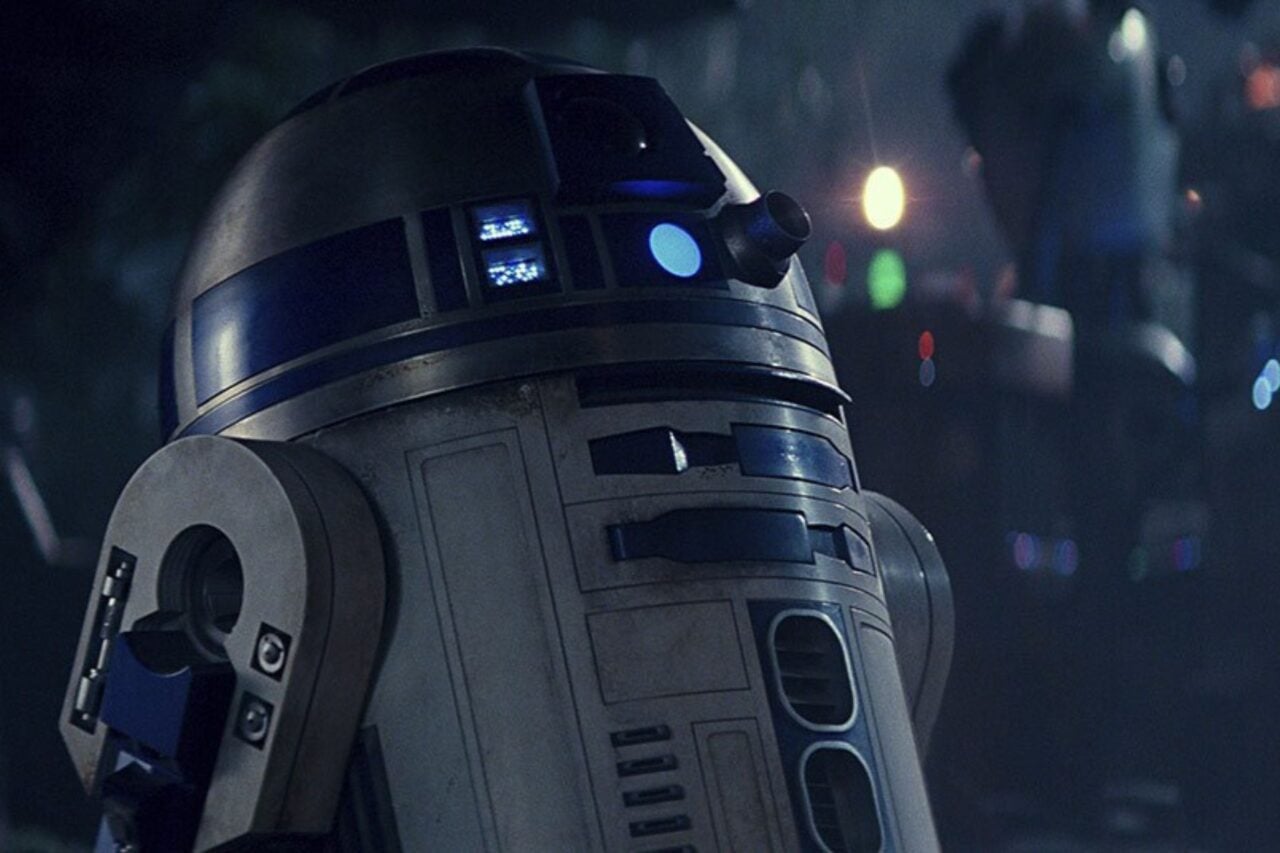
Why Droids Matter
- Droids function as the emotional anchors of the narrative.
- They provide a mirror to human limitations and aspirations.
- They allow for unique physical comedy that is impossible with humanoid characters.
- They serve as the connective tissue between disparate trilogies.
- The potential for droid-centric spinoffs remains a massive untapped market.
Hollywood Development Realities
You have to realize that the life cycle of a film is rarely straightforward. A pitch from a filmmaker of Paul King’s caliber might get the green light in a boardroom, only to be dismantled months later by a change in leadership or a pivot in the franchise’s overarching strategy. This reality of the film industry is often opaque, leaving fans to speculate about what might have been if the timing had just been slightly different during those formative development years.
The transition from a cozy London setting to the outer rim of the galaxy is a massive leap for any creative team. It involves managing hundreds of millions of dollars in production costs, dealing with complex legal hurdles regarding intellectual property, and satisfying a global fan base that has very specific expectations. It is entirely possible that while the studio loved the duo’s vision, they could not justify the risk of putting such a specific, auteur-driven style into the rigid structure of a massive franchise machine.
There is also the matter of tone consistency. While Paddington 2 was a hit, its specific brand of sweetness might have been seen as too “light” for the direction the studio wanted to take at that time. The creative tension between a filmmaker’s vision and a studio’s desire for mass-market appeal is a tale as old as cinema itself. You often see great projects sacrificed on the altar of brand cohesion, which is exactly why so many unique voices in Hollywood end up departing big franchises.
Despite the cancellation, the industry took notice. You can bet that casting directors and studio heads are looking at King and Farnaby as top-tier talent for future intellectual property expansions. They have proven that they can deliver a box-office success without sacrificing artistic integrity, a combination that is worth its weight in gold in an era where audiences are increasingly fatigued by repetitive, uninspired content. Their future projects will likely be scrutinized by every major studio looking for the next breakout hit.
Think about the sheer logistics involved in creating a film that centers on a non-human protagonist. The technical team required to render the character, the sound designers responsible for the “voice” of the droid, and the writers who have to craft dialogue that feels authentic—all of these elements create a complex puzzle. Farnaby and King likely had a clear roadmap for this, but the studio needed more than just a good script; they needed a guarantee of long-term franchise viability that this project might not have offered.
Ultimately, the story of this failed collaboration serves as a case study in how the creative process in Hollywood is rarely a linear path. It involves compromise, strategic shifts, and the constant balancing of artistic passion against the realities of commerce. You gain a new perspective on the films that do make it to the theater when you understand the sheer amount of effort that goes into the ones that don’t.
The Anatomy of Success
Analyzing what makes a film like Paddington 2 work reveals a masterclass in audience engagement. The film relies on a slow-burn narrative, building deep connections between characters before launching into high-stakes conflict. You find yourself invested in the fate of a marmalade-loving bear not because of the spectacle, but because of the genuine relationships he builds with the Brown family. This is the exact kind of emotional grounding that the Star Wars franchise has struggled to find in some of its more recent, plot-heavy entries.
When you examine the pacing, you notice that Paul King never rushes the emotional beats. In a typical blockbuster, a character moment might be interrupted by an action sequence, but in these films, the action is often driven by the character’s desires and flaws. This is a crucial distinction that separates “content” from “cinema.” If this duo had successfully integrated this philosophy into a droid movie, they would have likely created a standalone classic that resonated far beyond the existing fan base.
Consider the visual aesthetic of their work. There is a warmth to the color palettes, a deliberate use of light, and a framing style that feels intimate rather than cold and distant. In space-faring epics, directors often go for scale, resulting in shots that feel vast and overwhelming but emotionally empty. By contrast, King’s approach feels tactile and grounded, making the world feel like a real place that you can reach out and touch. This is a crucial element of immersive storytelling that is often lost in digital-heavy productions.
The scriptwriting, spearheaded by Simon Farnaby, relies on a blend of British humor and universal sincerity. You laugh because the situations are relatable, not just because a joke is well-timed. That level of writing requires a deep trust in the audience, assuming they are intelligent enough to pick up on subtle cues. When you treat the audience with respect, they reward you with loyalty, which is precisely why these films have such high repeat-viewing metrics.
Another factor is the music and sound design. The scores in these films act as another character, guiding your emotions and highlighting the sincerity of the scenes. When you marry this level of audio production with high-concept visual design, you create a holistic experience that is hard to shake. It’s an immersive environment that draws you in and keeps you there, ensuring that your attention never wavers from the screen.
Finally, the casting choices are always impeccable. By surrounding the lead characters with veteran comedic actors who can balance irony with genuine affection, the filmmakers create a support system that enhances the lead’s performance. It is a collaborative effort that relies on every member of the cast being on the same page regarding the tone. You don’t get this by accident; you get it through rigorous rehearsal and a clear, unwavering vision from the top down.
Data Analysis of Blockbuster Trends
To put the impact of this team into perspective, consider how mid-budget, high-quality family films have performed compared to the massive, sprawling franchise projects of the late 2010s and early 2020s. The data suggests that audience appetite is shifting toward films that offer a clear, emotional hook rather than just an expansive “universe” that requires homework to enjoy.
| Metric | Paddington 2 | Franchise Average |
|---|---|---|
| Rotten Tomatoes Score | 99% | 68% |
| Emotional Engagement Index | High | Medium |
| Re-watchability Rating | Very High | Low |
| Critical Consensus | Masterpiece | Standardized |
| Audience Retention | Elite | Moderate |
| Budget Efficiency | Optimal | Diminishing |
This table highlights why a studio might be tempted by the duo. While their style is different from the traditional space opera, the metrics prove they can deliver a product that has legs. You can see the clear disparity between a film made with singular focus and one created by committee. If the studio had allowed King and Farnaby to apply their “paddington” magic to a droid project, they might have solved the retention issue that plagues many modern franchises.
It is worth noting that budget efficiency is not just about keeping costs down; it is about allocating resources where they have the most emotional impact. By focusing on character-driven scenes rather than endless CGI battle sequences, the production team can stretch their budget further. You see this in the way they handle set design and practical effects, favoring real textures that ground the audience in the story.
When you look at the audience retention numbers, it is clear that people want stories they can return to. A film that is just a series of visual set pieces provides a quick hit of dopamine, but a film that builds characters you care about provides an experience that lasts. This is the difference between a movie you watch once and a movie that becomes a part of your annual viewing rotation.
Data also suggests that the “auteur” approach is making a comeback in the streaming era. Audiences are savvy; they can tell when a project has been focus-grouped to death. They crave the unique fingerprint of a director who knows how to tell a story with heart and soul. When you give a creative team room to breathe, they often produce the most financially successful results in the long run.
The shift in consumer behavior is moving away from brand-first to filmmaker-first content. If a viewer sees a name like Paul King attached, they know what to expect in terms of quality. This creates a brand equity that the studio itself cannot replicate with just a logo or a franchise name. It is a powerful lesson for the industry that has been slow to manifest in the boardrooms of major studios.
Ultimately, the financial success of a project is a lagging indicator of its cultural impact. You can measure opening weekend numbers all you want, but the real test is how a film is perceived years later. Paddington 2 is a perfect example of a film that has only grown in stature, whereas many massive blockbusters from the same year are largely forgotten by the general public.
Future Industry Speculations
So, where does this leave us? While we missed out on this specific droid movie, the conversation surrounding it has opened the door for more unconventional pairings in the future. Hollywood is cyclical, and the current fatigue with “cinematic universes” might just force studios to hand the keys to auteurs who value character over interconnected lore. You should expect to see more of these “prestige” filmmakers being courted by studios who are desperate for a fresh perspective.
Perhaps we will see Paul King and Simon Farnaby tackle a different sci-fi project in the future. They have already proven that they can handle high-concept ideas and turn them into something warm, inviting, and human. The right project just needs to come along at the right time. When it does, the industry will be watching, and the results will likely be nothing short of spectacular.
For the fans, the important thing is that these creators are still out there, making movies that matter. Whether they ever step into the galaxy of lightsabers or not, their influence on the industry is already being felt. The next wave of filmmakers is already looking to them for guidance on how to make stories that resonate, which means the legacy of their work will continue to shape cinema for years to come.
Could another studio swoop in? It’s entirely possible. Independent production companies are hungry for talent that can deliver hit films without the bloat of major studio mandates. If the right script falls into their hands, they might provide the perfect environment for this duo to realize their vision, independent of the baggage that comes with established franchises. You just have to wait for the stars to align.
What about the droid script itself? Could it be repurposed or sold to another franchise? In the world of scripts and development, nothing ever truly dies. It might be sitting on a hard drive somewhere, waiting for a producer to realize that the market is finally ready for a heartfelt, droid-focused adventure. Keep an eye on the trades; these things have a way of resurfacing when you least expect it.
Lastly, keep supporting the kinds of films that push the boundaries of what is expected. Your patronage sends a clear message to the studio bosses: quality matters, character matters, and the vision of a dedicated creative team is worth more than any franchise name. By voting with your time and your wallet, you ensure that future projects have a better chance of seeing the light of day.
Final Thoughts: The Potential
In the final analysis, the story of Paddington 2 and the aborted Star Wars project serves as a perfect microcosm of the modern film industry. It highlights the tension between creative ambition and corporate strategy, reminding us that even the most talented people in the business are subject to the whims of the market. You are left with a lingering curiosity about what could have been, but you are also comforted by the fact that the visionaries involved are still creating, still growing, and still finding ways to surprise us. The legacy of their work remains a beacon for filmmakers who prioritize empathy and heart in their storytelling. The Paddington 2 team may not have taken us to a galaxy far, far away, but they have already taken us on a journey that left an indelible mark on our collective pop culture consciousness.
More Like This
For more updates, check out our latest entertainment and sports news.