
Judo India is currently riding a wave of unprecedented momentum following the spectacular performance of athletes like Unnati Sharma at the recent Commonwealth Games 2026. If you thought combat sports were limited to the wrestling mats of Haryana or the boxing rings of the Northeast, you have been missing out on a tectonic shift happening within the Indian martial arts landscape.
The recent four-medal haul in Glasgow hasn’t just brought home shiny hardware; it has signaled a cultural pivot that promises to redefine how Indian youth view this Japanese discipline. You are witnessing the birth of a new era where judo is no longer a peripheral sport but a powerhouse contender on the global stage.
Judo India: The Glasgow Impact
The performance in Glasgow serves as a loud wake-up call to domestic sports federations and grassroots training centers alike. Unnati Sharma, securing a bronze in the Women’s -63kg category, has become a beacon for thousands of aspiring judokas who previously lacked a clear pathway to international glory. Her success, alongside the collective achievements of her teammates, provides a blueprint for what is possible with dedicated infrastructure.
When you analyze the journey of these athletes, it becomes clear that consistency and tactical maturity were the winning factors. The Commonwealth Games 2026 acted as a crucible, testing the mettle of Indian competitors against established international giants. Unlike previous cycles, the team displayed an uncanny ability to close out tight matches during the golden score period, a testament to improved mental conditioning.
The ripple effect of this success is already visible in the increased enrollment rates at judo academies across Dehradun and Uttarakhand. Parents who once favored traditional Olympic sports are now recognizing the academic and physical benefits that systematic judo training provides for their children. 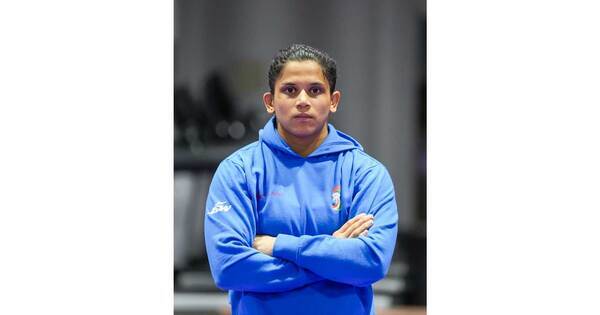
Beyond the technical prowess, there is a burgeoning financial interest in the sport as well. The professionalization of coaching staffs and the infusion of specialized physiotherapists have drastically reduced injury recovery times. If you want to dive deeper into the lifestyle of these rising stars, check out exclusive insights on emerging athlete profiles and their rigorous off-season training regimens.
Local governance in states like Uttarakhand has promised to increase subsidies for judo equipment, which is notoriously expensive due to specialized mat requirements. This democratization of access is exactly what Judo India needs to sustain the current momentum. The goal is to ensure that talent in rural sectors is not stifled by a lack of access to world-class tatami mats.
The media spotlight currently fixed on these medalists will eventually fade, but the structural foundations being laid today are permanent. You will likely see a surge in public-private partnerships aiming to host local league competitions to keep the talent pipeline flowing between games. This is not just a passing trend; it is a calculated effort to institutionalize winning habits.
Why This Matters for Athletes
- Enhanced scholarship opportunities for medal winners at state and central levels.
- Access to international training camps in Japan and France.
- Improved sponsorship and endorsement deals for rising stars.
- Greater visibility in the national sporting consciousness.
- Upgraded facility standards for local club competitions.
Competitive Landscape and Performance Metrics
Tracking the evolution of performance requires a granular look at the data coming out of the Glasgow Games. The following table highlights the critical markers that separated the podium finishers from the rest of the pack in 2026.
| Category | India Performance 2026 | Key Strength |
|---|---|---|
| Women’s -63kg | Bronze | Tactical Grappling |
| Team Aggregate | 4 Medals | High Aggression |
To understand the depth of this accomplishment, you must compare it to the historical drought the sport faced over the last decade. A lack of international exposure historically meant that Indian judokas were often overwhelmed by the tactical nuances of European and Pan-American styles.
The strategic move to participate in more IJF World Tour events leading up to the 2026 games proved to be the masterstroke. By exposing the team to different fighting styles, the coaches were able to identify and rectify defensive leaks long before the major tournament began. This level of data-driven preparation was previously unheard of in the domestic circuit.
You should note the importance of physical conditioning in modern judo. It is no longer just about strength; it is about weight management and explosive power output. The Indian contingent in Glasgow adhered to a strict nutritional plan that optimized their performance while maintaining their weight class, a massive improvement from previous years.
The role of technology in monitoring heart rate variability and recovery metrics cannot be overstated. By utilizing wearable tech, the coaches were able to adjust training intensity on the fly, ensuring no athlete was overtrained. This analytical approach has transformed the team into a modern, high-performance unit that mimics top-tier global teams.
The future of Judo India hinges on replicating these protocols across all weight categories. If the success of the women’s team can be mirrored in the men’s divisions, the country could soon become a formidable force in the Asian Games. The momentum is undeniable, and the results are finally catching up to the ambition.
The Road to Future Dominance
Looking ahead to 2028 and beyond, the objective shifts from ‘participation’ to ‘total domination’. With the government’s renewed interest in diversifying the medal tally, judo is poised to receive a significant slice of the sporting budget.
Building a robust academy system is the next priority for the federation. By standardizing the curriculum across the country, they can ensure that every judoka learns the same fundamental techniques with the same level of discipline. This consistency is what builds champions over a decade, not just a single tournament cycle.
You might wonder how this affects the average citizen. The rise of a sport creates a trickle-down effect where commercial gyms start offering classes, and community centers begin organizing grassroots tournaments. This growth builds a healthier, more active population while providing a career path for those who show elite potential.
Educational integration is another key pillar. Many schools are now considering judo as a primary physical education component, recognizing that it teaches self-defense, focus, and respect. When the sport becomes embedded in the school curriculum, the talent pool explodes, ensuring that the next Unnati Sharma is discovered early.
Partnerships with international federations will be crucial to bridge the technical gap that still exists. Sending young, talented prospects to train at high-intensity centers in countries like Japan or France—the spiritual homes of the sport—will accelerate their growth. This global exchange of knowledge is the final piece of the puzzle.
As you watch these athletes compete, remember that their journey is a reflection of a nation’s growing confidence. They are proof that when the right investment meets hard work, the results are nothing short of spectacular. The path is clear, and the tools are in place to make India a global judo hub.
The Cultural Shift in Martial Arts
The cultural perception of judo in India is undergoing a radical change. Once viewed as an obscure foreign activity, it is rapidly gaining recognition as a prestigious competitive endeavor.
Parents are realizing that judo provides more than just medals; it instills a sense of discipline that serves children for the rest of their lives. From handling losses with grace to respecting the opponent during a match, the core tenets of the sport are highly valuable for personal development. This shift in mindset is the true legacy of the Glasgow success.
Digital platforms have played a significant role in this shift. With highlights, training tips, and athlete interviews available on social media, the sport has become more accessible than ever. This transparency removes the mystery and invites the public to engage with the sport on a deeper level.
There is also a growing push for equal representation in the sport, with more focus on women’s teams. The success of female judokas has been a major highlight, breaking stereotypes about gender and athleticism. This inclusive approach is attracting a diverse demographic of talent from across the country.
Major sports news outlets like Reuters have begun to cover the rise of martial arts in Asia with more consistency. This media attention brings credibility and sponsors who are keen to associate with the growing discipline. The more the media covers these events, the more the general public cares about the outcome.
Finally, the legacy of this generation of judokas will be measured by how many young athletes they inspire. If every child who watched the Commonwealth Games picks up a gi, the sport will flourish for generations. It is an exciting time to be a fan, and the journey is only just beginning for these athletes.
Final Thoughts on Judo India
In closing, the trajectory of Judo India is nothing short of inspiring. By leveraging the momentum from the Commonwealth Games 2026, the country has set a new benchmark for excellence in combat sports. As Unnati Sharma and her peers continue to climb the global rankings, the narrative around the sport is shifting from curiosity to genuine national pride.
You can expect to see increased investment, better facilities, and a surge in participation in the coming years. This is the moment where the hard work of the past finally bears fruit. Stay tuned as these athletes pave the way for a new generation of champions who are ready to take on the world.
More Like This
For more updates, check out our latest entertainment and sports news.