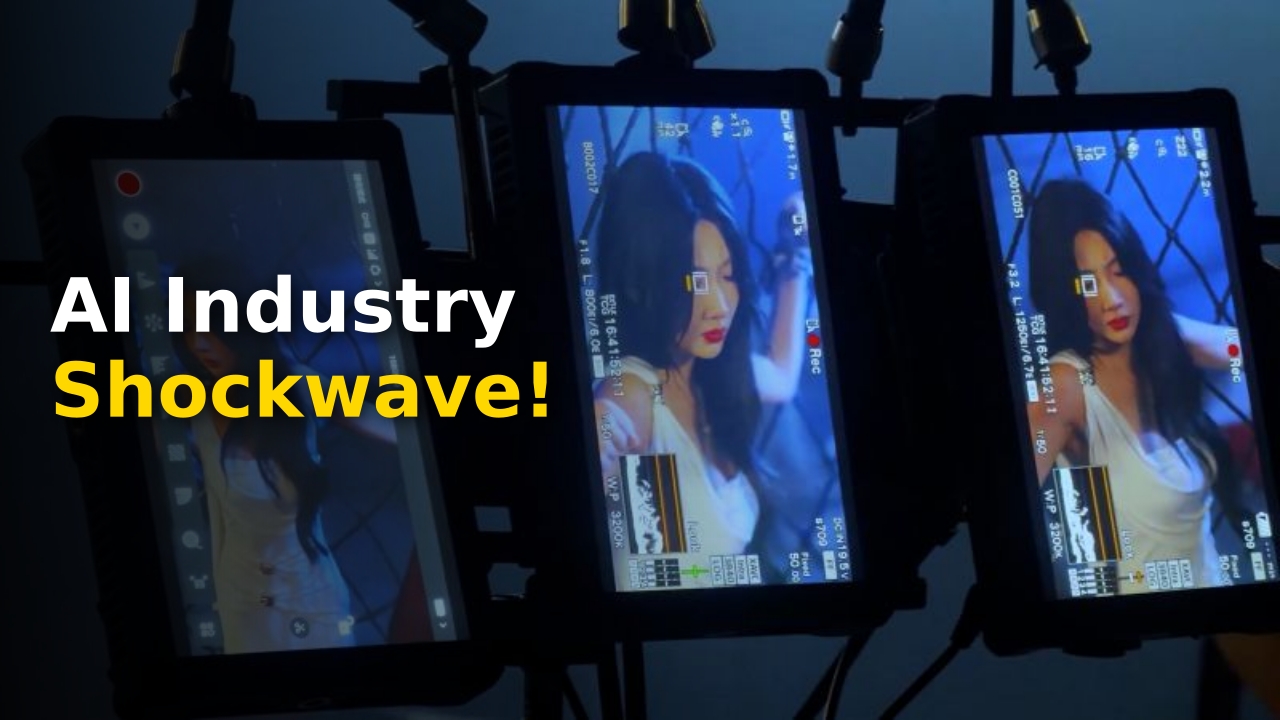
Microdrama disruption is currently tearing through the heart of China’s entertainment industry, leaving thousands of young, ambitious actors in a state of professional paralysis. You might think your favorite streaming content is the product of human sweat and passion, but the reality behind the lens in Hengdian is shifting toward a cold, automated efficiency that favors algorithms over artistry.
The era of human-centered storytelling in the booming short-video market is facing an existential crisis. As you scroll through your phone, that perfectly paced, dramatic sequence of a wronged lover or a vengeful assassin likely never saw a physical set or a human camera operator.
Understanding Microdrama Disruption Realities
The transition from bustling, human-led production sets to silent, computer-generated workflows marks a monumental shift in how media is consumed and created. For years, the town of Hengdian served as the bustling nerve center for these vertical shows, providing jobs for thousands during the lean times of the global pandemic.
Today, that energy has evaporated. The influx of AI video generation tools—led by tech giants like ByteDance—has turned the production model on its head, replacing labor-intensive shoots with software prompts. You are witnessing the commoditization of drama, where the goal is no longer artistic merit but volume and algorithmic feed-optimization.
Young actors, who once flocked to this creative hub for a chance at stardom, are finding their opportunities squeezed by software like SeeDance 2.0. The competition is no longer against fellow actors but against non-stop, high-speed digital generators that never sleep, never demand pay, and never ask for a break.
For these creatives, the anxiety is real. When you realize that your entire career path depends on being cheaper than a piece of software, you begin to understand the desperation of those who spent years honing their craft only to be undercut by a lines of code. This microdrama disruption is not just a technological upgrade; it is a fundamental reconfiguration of the labor market for actors.

The economic impact of this change is staggering, touching everyone from the high-earning lead actor to the extra who makes barely enough to cover a meal. As traditional studios go dark, the streets of Hengdian reflect a broader, more uncomfortable truth about the future of digital entertainment.
If you want to track the latest movements in the celebrity industry, visit professional news updates for rising stars to see how talent managers are struggling to pivot in this new, automated environment. The fight for survival is real, and the stakes could not be higher for the next generation of performers.
The Human Cost of Efficiency
- Actors are reporting a massive drop in available work, falling from 25 days of filming per month to less than a week.
- Pay scales have collapsed, with leading roles now being offered at a fraction of their previous market value.
- Many talented performers are moving into low-wage service roles, such as food delivery, just to survive the ‘bitter winter’ of the industry.
- The psychological toll includes extreme anxiety, as thousands of people realize their ‘star’ potential is being erased by generative AI models.
Technology vs. Talent
- AI editors, or ‘card-pullers,’ have replaced traditional directors and cameramen on many projects.
- The reliance on ‘formulaic’ plots means shows are often generic clones of previous viral hits, designed to game social media engagement.
- Ethical issues, such as the unauthorized cloning of actors’ faces, have become a legal nightmare with very little protection for the victims.
- The industry has seen a massive surge in AI startups, creating a bubble where competition among firms is driving production costs to unsustainable lows.
Industry Financials and Data
The shift is quantified by staggering growth in content volume versus a decline in human employment. Below is a breakdown of how the landscape has changed in recent months.
| Category | Pre-AI Era | Post-AI Integration |
|---|---|---|
| Annual Microdrama Output | Moderate | Massive (120,000+) |
| Production Cost (120 min) | $20,000+ | $2,200 |
| Human Labor Reliance | High | Minimal |
| Market Value 2023 | $15 Billion | Volatile Growth |
The Future of Storytelling
As the industry tries to regulate this chaos, the central question remains: will the audience eventually tire of the synthetic perfection of AI, or will the human element become a luxury good? In the current market, platforms like Reuters have noted that regulation is tightening, with Beijing mandating that future content adhere to strict political guidelines.
This means the next phase of the industry might be a blend of human supervision and AI execution. But for the actors caught in the middle, the change is already permanent. They are not waiting for permission to change; they are moving on, directing their own small projects or exiting the acting world entirely.

The creative soul of entertainment is currently in a state of flux. You might be watching a generated character, but the emotions that hook you are based on the historical data of a billion human experiences. The question is whether we can sustain an industry that systematically removes the people it is meant to represent.
Adapting to New Realities
For those who decide to stay, the strategy is shifting from traditional acting to ‘AI orchestration.’ Actors like Yu Shutian are beginning to embrace the tech, transitioning into roles that utilize their skills in directing and production rather than just performance.
The path forward is not clear, but the necessity of change is absolute. If you are an aspiring creative in this space, you must understand that your technical literacy regarding AI will soon be as important as your ability to memorize lines or hit your marks on stage.
Ultimately, this technological evolution forces us all to reconsider the value of human presence in art. While machines can simulate the look of a blockbuster, the depth of human experience is something that still struggles to be replicated on a consistent basis. Whether the audience cares enough to pay for that difference is the final, unanswered question of this massive transformation.
More Like This
For more updates, check out our latest entertainment and sports news.