Disney Flops are a stark reality in an industry where even the most bankable studio occasionally trips over its own cosmic ambition. You might think that a company with an unlimited treasure chest and the most recognizable intellectual property on the planet would be immune to failure, but the cold, hard data suggests otherwise.
When a studio bets hundreds of millions of dollars on high-concept science fiction, they are essentially playing a high-stakes game of poker with the global box office. While Marvel and Pixar often print money, the graveyard of ambitious, original, or misguided sci-fi projects proves that brand recognition alone isn’t enough to guarantee success.
The Anatomy Of Disney Flops
Why do these massive projects crumble? It often comes down to a disconnect between the studio’s internal vision and the actual demands of a movie-going audience. When Disney produces a film, the audience expects a certain level of magic, polish, and emotional resonance. When that magic fails to manifest, the financial fallout is nothing short of legendary.
Take Lightyear, released in 2022. It had the weight of the Toy Story brand behind it, yet it stumbled because it felt like a confusing deviation from the established lore. You were asked to watch a movie that was supposedly the film that inspired a toy, a meta-narrative that simply didn’t resonate with families waiting for the next big adventure.
The production budget alone for Lightyear hit roughly $200 million, and the final loss, according to Deadline, hovered around $106 million. It was a massive wake-up call for the studio. They realized that even beloved characters have limits when the premise feels disjointed from the core franchise identity.
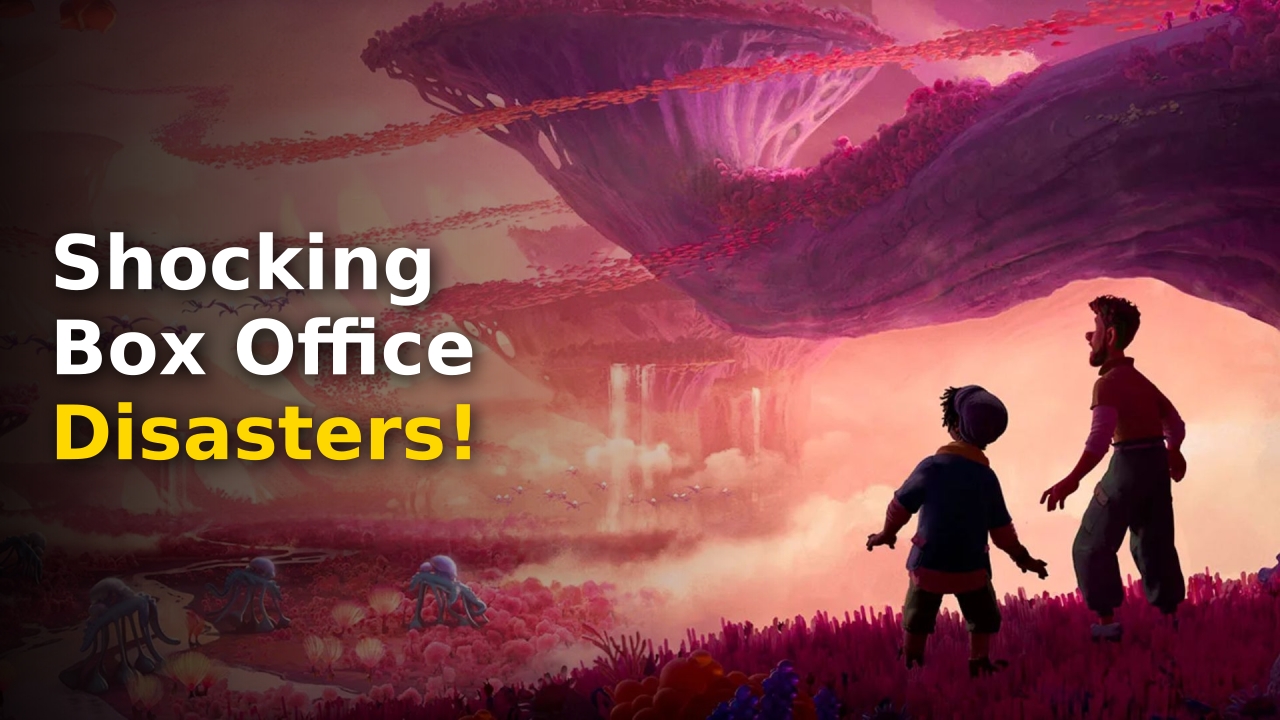
Then there is the case of Strange World, another 2022 release that became a victim of the pandemic-era habit of streaming consumption. Families had grown comfortable waiting for Disney Plus releases, making the box office performance of this pulpy adventure a total nightmare. With a $197 million loss, it remains one of the most painful entries in the studio’s recent history.

It is fascinating to observe how even legendary directors can hit a wall when the marketing machine fails. For more insights on how the industry shifts and evolves, you can explore the latest trends at Bright Celebrity, where we break down the movements of major Hollywood power players.
The Marketing Problem
- Misaligned expectations from the source material.
- Failure to clarify the core hook to the audience.
- Over-reliance on legacy brands for experimental concepts.
- Distribution strategies that prioritized home streaming over theaters.
- The toxic perception of specific film titles or settings.
Financial Write-Down Consequences
- Massive impacts on studio quarterly earnings reports.
- Corporate restructuring and the closure of divisions.
- Shift in strategy toward established, low-risk sequels.
- Reduced green-lighting for original high-concept science fiction.
- Pressure on producers and directors to maximize ROI.
Box Office Financial Breakdown
| Movie Title | Year | Est. Loss |
|---|---|---|
| John Carter | 2012 | $200 Million |
| Strange World | 2022 | $197 Million |
| Tomorrowland | 2015 | $140 Million |
| Lightyear | 2022 | $106 Million |
| Mars Needs Moms | 2011 | $70 Million+ |
Looking at the data, it becomes clear that these Disney Flops weren’t just simple mistakes; they were systemic failures. John Carter, for instance, became the poster child for bad decision-making in Hollywood. You can read more about the history of such cinematic endeavors on Wikipedia, which documents the sheer scale of the financial hole these films dug for the studio.
Mars Needs Moms in 2011 was another cautionary tale. It effectively ended the life of the ImageMovers Digital studio. When you have a budget of $150 million and an opening of $6.9 million, there is simply no way to recover. The lesson learned here was that motion-capture technology does not always translate to heart.
Tomorrowland is arguably the most tragic entry, as it was an attempt to create something truly original. Directed by Brad Bird and starring George Clooney, the film struggled because the marketing campaign was too cryptic for its own good. It tried to mirror the mystery of a J.J. Abrams production but failed to deliver the necessary emotional stakes.
You might wonder if the studio will ever venture into original sci-fi again. The current trend suggests a shift toward safe bets and sequels. However, the hunger for something fresh remains within the fan base. Whether the studio will take that risk again remains the ultimate question for investors and fans alike.
Reflecting On Failed Ambitions
We have walked through the history of these Disney Flops to understand why even the biggest names in the business struggle to connect. It is a reminder that in the world of cinema, success is never guaranteed, and even a studio with the reach of Disney is beholden to the tastes of the audience.
Looking ahead, the studio is surely evaluating its library and development pipeline. The goal will be to avoid the pitfalls that turned John Carter and Strange World into cautionary tales. For you, the fan, this means a likely pivot back toward established universes, but perhaps with a more careful eye on what defines the Disney magic. It is a wild ride, and we will be watching to see what happens next.
More Like This
For more updates, check out our latest entertainment and sports news.