You are trapped on a floating metal cage with absolutely nowhere to run, which is exactly why maritime thrillers trigger our deepest psychological fears of isolation and helplessness. When danger strikes hundreds of miles away from the safety of dry land, there are no easy escape routes to save you.
The greatest action-thriller set on a boat is Steven Spielberg’s 1975 masterpiece Jaws, closely followed by historical military epics and intense real-life piracy dramas that leverage this terrifying claustrophobia. While blockbuster hits like James Cameron’s titanic masterpiece set a high bar for shipboard drama, true action-thrillers require a constant barrage of high-stakes tension and physical danger.
Why maritime thrillers Hold Us Hostage
Our deep fascination with the endless blue ocean comes from its dual nature of serene beauty and absolute terror. Filmmakers have long understood that placing characters on the open water instantly raises the narrative stakes without requiring complex setups.
Whether they are fighting off armed pirates, battling unpredictable weather, or fleeing unseen sea monsters, the ocean acts as a silent antagonist. The immense physical scale of the sea ironically makes the interior of any vessel feel incredibly cramped and suffocating.
This unique setting transforms luxury liners, naval warships, and tiny sailboats into claustrophobic pressure cookers where survival is never guaranteed. Unlike many standard action movies, maritime thrillers require characters to interact constantly with their environment to survive every passing minute.

The Anatomy of Isolation
When you watch a survival story play out on a small boat, your brain immediately registers the total lack of external help. There are no emergency services to call, no backup forces arriving, and no safe havens to retreat to when things go wrong.
This extreme isolation forces characters to rely entirely on their raw wits, physical stamina, and whatever limited tools are on hand. This psychological setup triggers a primal survival response in the audience, making every minor mechanical failure feel like an absolute death sentence.
The Illusion of Safety
Luxury cruise liners and modern vessels often project an aura of absolute invincibility to their wealthy passengers. However, maritime thrillers excel at systematically stripping away this false sense of security to expose human vulnerability.
A sudden rogue wave or a group of armed hijackers can turn a multi-million dollar vessel into a floating tomb within minutes. By destroying this illusion of safety, these films force us to confront our own fragility in the face of nature and chaos.
Masterpieces of Maritime Suspense
To understand the evolution of high-seas tension, we must travel back to the classic era of practical filmmaking. Long before digital special effects made virtual oceans possible, directors had to battle real water, unpredictable weather, and mechanical failures.
These pioneering films proved that human conflict becomes infinitely more intense when surrounded by an uncaring, deep blue ocean. From the early days of cinema, maritime thrillers have captivated audiences because they combine physical peril with emotional isolation.
The African Queen (1951)
This legendary film elegantly combines wartime adventure, romance, and survival into a remarkably influential river thriller. The legendary actor Humphrey Bogart plays Charlie Allnut, a rough, heavy-drinking Canadian boat captain who reluctantly rescues a prim missionary.
Together, they must navigate a highly dangerous river in German-controlled East Africa aboard a ramshackle steamboat during World War I. You can read more about classic Hollywood legends and their historical roles on Bright Celebrity.
Their perilous journey features terrifying encounters with aggressive rapids, hostile wildlife, swarming insects, and pursuing German forces. Bogart won his only Academy Award for this masterful performance, establishing the ultimate template for early maritime thrillers.
Juggernaut (1974)
This gripping film takes the classic disaster formula and injects a heart-stopping, ticking-clock thriller directly into the cold Atlantic Ocean. A luxury ocean liner carrying hundreds of unsuspecting passengers becomes a floating hostage situation when a madman plants seven complex bombs.
The brilliant Richard Harris stars as Lieutenant-Commander Anthony Fallon, a veteran explosives expert flown in to locate and defuse the devices. The film builds agonizing suspense by showing the meticulous, step-by-step process of bomb disposal rather than relying on endless explosions.
The continuous popularity of maritime thrillers lies in our shared primal fear of drowning in the deep ocean during such crises. Fallon’s nerve-wracking choices keep viewers on the edge of their seats until the final wire is cut.
The Poseidon Adventure (1972)
This masterpiece remains one of the absolute pillars of the 1970s disaster movie boom that captivated global audiences. During a festive New Year’s Eve celebration, a colossal tsunami capsizes the luxury ocean liner SS Poseidon, turning it completely upside down.
The iconic Gene Hackman delivers a powerhouse performance as Reverend Scott, a non-conformist minister leading survivors upward toward the hull. The sheer genius of the film lies in how it transforms beautiful luxury spaces into a vertical, terrifying obstacle course.
Audiences love maritime thrillers because they test the limits of human endurance under extreme physical pressure and chaotic circumstances. Climbing upside-down staircases turns every escape attempt into a life-or-death struggle.
Modern Icons of High-Seas Survival
As filmmaking technology evolved, directors found terrifying new ways to capture the vastness and hostility of the open sea. Modern cinema moved away from simple melodrama to deliver ultra-realistic, deeply claustrophobic experiences that leave audiences gasping for air.
These modern hits prove that whether you are dealing with supernatural time loops or real-world pirates, the ocean remains a deadly stage. The physical toll on the actors adds an undeniable layer of authenticity to these productions.
Dead Calm (1989)
This Australian masterpiece turns an apparently peaceful sailing vacation in the Pacific into a deeply disturbing, three-character psychological nightmare. A young Nicole Kidman stars as Rae Ingram, who is sailing with her husband John, played by Sam Neill.
Their quiet journey is shattered when they rescue Hughie Warriner, a deeply unhinged survivor played with erratic menace by Billy Zane. John leaves to investigate the sinking ship, leaving Rae completely trapped on their yacht with an increasingly violent psychopath.
Many modern maritime thrillers owe a massive debt to the pioneering cinematography and intense pacing of this classic project. Zane’s unpredictable shifts from charm to violence create a terrifying sense of dread.
Master and Commander (2003)
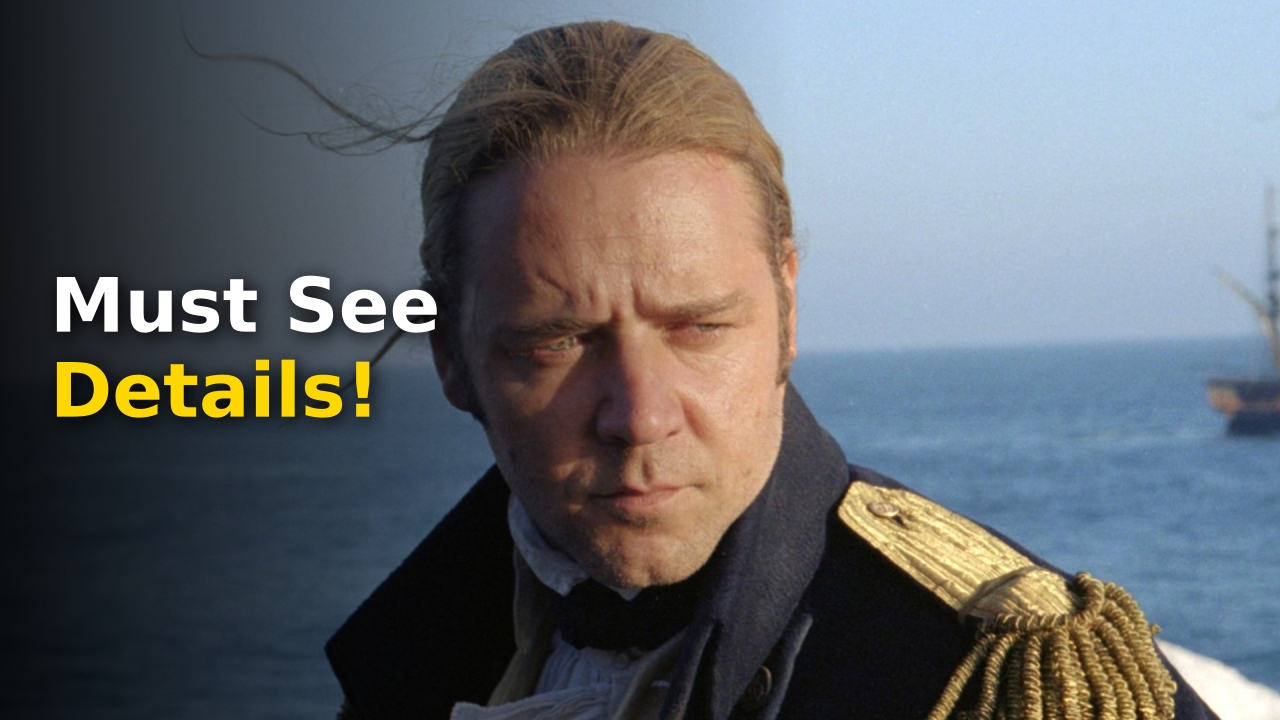
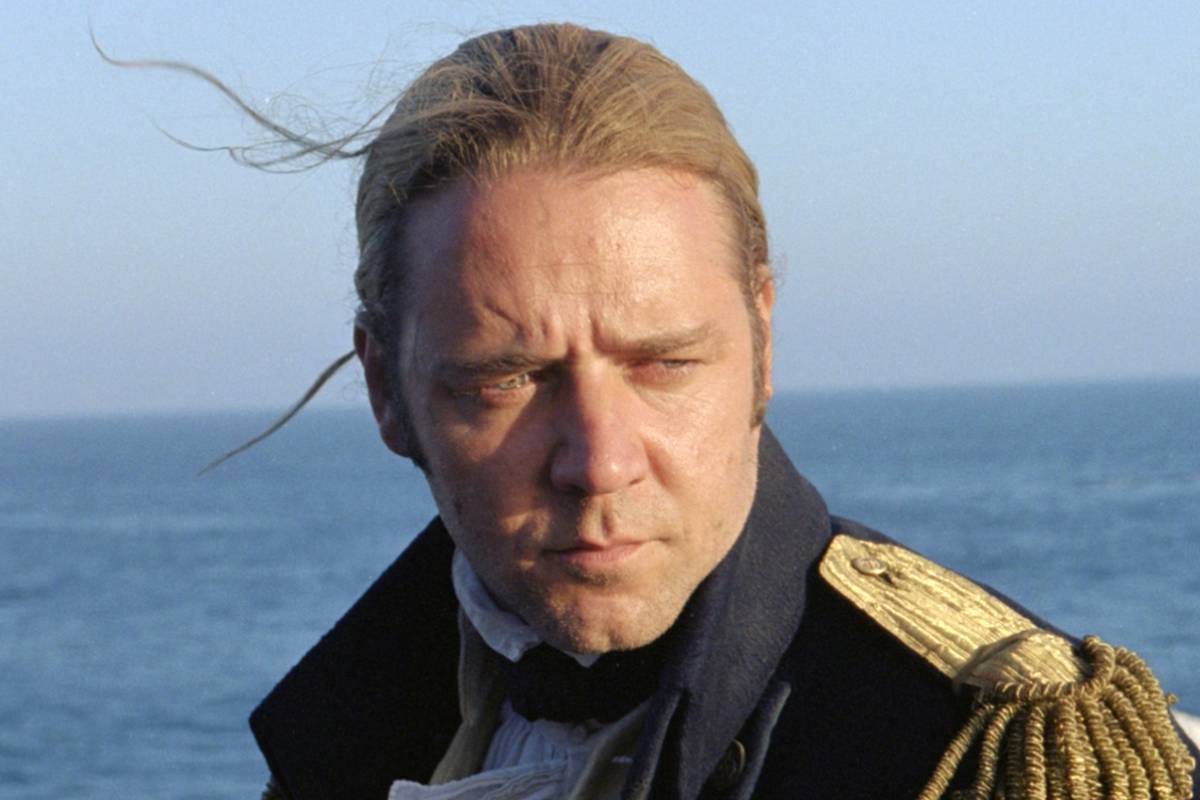
This historical epic is widely regarded as one of the most authentic and technically precise naval thrillers ever put on film. The talented Russell Crowe stars as the charismatic Captain Jack Aubrey of the HMS Surprise during the intense Napoleonic Wars.
When the HMS Surprise engages the elusive enemy ship, the battles are shockingly visceral, with massive cannonballs splintering solid oak. Critics frequently point out that maritime thrillers are uniquely difficult to film, yet they offer unparalleled emotional payoffs for viewers.
The meticulous detail of early nineteenth-century naval warfare makes the audience feel like members of the active crew. Aubrey’s tactical brilliance provides a fascinating window into historical combat strategy.
Pirates of the Caribbean (2003)
While often categorized as a fantasy adventure, this blockbuster boasts incredible credentials as a high-stakes maritime action thriller. The famous Johnny Depp introduced the world to his iconic Captain Jack Sparrow, who teams up with a young blacksmith.
The film features incredible naval strategy, intense sword fights, cannon fire exchanges, and a thrilling ship-to-ship pursuit involving the HMS Interceptor. This unique blend of genres helped redefine what maritime thrillers could achieve at the global box office for modern audiences.
The curse of the Black Pearl adds a chilling supernatural element to the classic naval chase formula. Watching the skeletal crew march underwater remains a standout moment in cinematic history.
Triangle (2009)
This mind-bending psychological thriller begins as a standard maritime survival story before plunging into a surreal, terrifying time-loop puzzle. The brilliant Melissa George plays Jess, a stressed single mother who embarks on a sailing trip with her close friends.
After boarding a massive, apparently abandoned 1930s ocean liner for refuge, they quickly realize they are not alone on board. While many maritime thrillers rely on external villains like pirates or sea monsters, this film turns the setting into a psychological maze.
The repeating cycle of violence forces Jess to make increasingly desperate decisions to break the loop. This hidden gem continues to shock first-time viewers with its brilliant narrative construction.
All Is Lost (2013)
This unique film strips the survival genre down to its absolute barest, most unforgiving elements in the middle of the ocean. The legendary Robert Redford delivers a mesmerizing solo performance as an unnamed veteran sailor whose small yacht collides with a shipping container.
The film features virtually no spoken dialogue, relying entirely on Redford’s physical expressions and practical actions to tell the story. This masterpiece shows how maritime thrillers can create overwhelming suspense using only a single character and a leaking boat.
Every patched leak and metered drop of freshwater becomes a vital victory for survival against an indifferent ocean. Redford’s performance stands as a monument to minimalist cinematic storytelling.
Captain Phillips (2013)
Director Paul Greengrass brings his signature, ultra-realistic documentary style to this heart-stopping recreation of the 2009 Maersk Alabama hijacking. The extraordinary Tom Hanks delivers a career-defining performance as Captain Richard Phillips, whose cargo ship is targeted by Somali pirates.
Once the pirates manage to board, the film shifts from a large-scale tactical battle to a claustrophobic hostage crisis inside a lifeboat. This gritty realism has made it one of the most critically acclaimed maritime thrillers of the twenty-first century.
The final sequences capture the psychological trauma of survival with devastating emotional clarity. Hanks’ raw vulnerability in the closing scenes remains deeply unforgettable.
Comparing Terrifying maritime thrillers
Not all maritime thrillers are created equal, as some rely on psychological dread while others leverage explosive, high-octane action. To help you navigate this dangerous cinematic ocean, we have compiled a comprehensive breakdown of these unforgettable films.
The table below analyzes key metrics, including the primary threats faced by the characters and the overall intensity level of their journey.
| Movie Title | Release Year | Primary Setting | Primary Threat | Tension Score |
|---|---|---|---|---|
| The African Queen | 1951 | Steam Gunboat | Wartime Enemies & Rapids | 7.5/10 |
| The Poseidon Adventure | 1972 | Inverted Ocean Liner | Rising Water & Fire | 8.5/10 |
| Juggernaut | 1974 | Luxury Liner | Ticking Time Bombs | 8.0/10 |
| Jaws | 1975 | Small Fishing Boat | Man-Eating White Shark | 10.0/10 |
| Dead Calm | 1989 | Private Yacht | Psychopathic Killer | 9.0/10 |
| Master and Commander | 2003 | Wooden Warship | French Privateer Ship | 8.8/10 |
| Pirates of the Caribbean | 2003 | Wooden Galleons | Cursed Undead Pirates | 7.8/10 |
| Triangle | 2009 | Mysterious Liner | Supernatural Time Loop | 8.7/10 |
| All Is Lost | 2013 | Damaged Sailing Yacht | Sinking Ship & Dehydration | 9.2/10 |
| Captain Phillips | 2013 | Cargo Ship & Lifeboat | Armed Somali Pirates | 9.5/10 |
When analyzing the history of maritime thrillers, it becomes obvious that the most successful films focus heavily on human drama. The terrifying reality of Somali pirates in Captain Phillips scores higher because these are situations that could happen in real life.
On the other hand, fantasy adventures rely more on spectacular action choreography and visual effects than pure, heart-stopping suspense. However, they still utilize the unique tactical environment of the ocean to keep audiences thoroughly entertained.
This variety shows how versatile the ocean setting can be for different kinds of filmmakers. Whether you prefer historical battles or modern survival stories, the high seas offer endless opportunities for spectacular tension.
Why Jaws Remains the Standard
No discussion of high-seas suspense is ever complete without bowing down to the undisputed king of ocean-bound terror, Steven Spielberg’s 1975 masterpiece The African Queen and Jaws. While the first two acts of Jaws terrorize the local beaches, the final act shifts entirely to the open sea aboard the Orca.
This brilliant narrative shift isolates our three mismatched heroes from the rest of civilization and traps them on a very small boat. Spielberg masterfully builds tension by using the boat itself as a slowly disintegrating shield that the shark systematically destroys.
The psychological dynamic between the three men is just as volatile as the shark attacks. Quint’s obsessive madness clashes violently with Hooper’s scientific rationalism, while Brody remains caught in the middle, terrified of the very water he is floating on.
John Williams’ iconic, two-note musical theme builds a sense of inevitable doom that remains unmatched in cinema history. By the time the Orca starts sinking into the dark ocean, you are fully convinced that the sea is a place of beautiful, absolute terror.
As we look to the future, maritime thrillers will undoubtedly continue to evolve with new filming technologies and creative stories. The sheer versatility of maritime thrillers ensures they will always remain a staple of Hollywood storytelling for generations to come.
More Like This
For more updates, check out our latest entertainment and sports news.