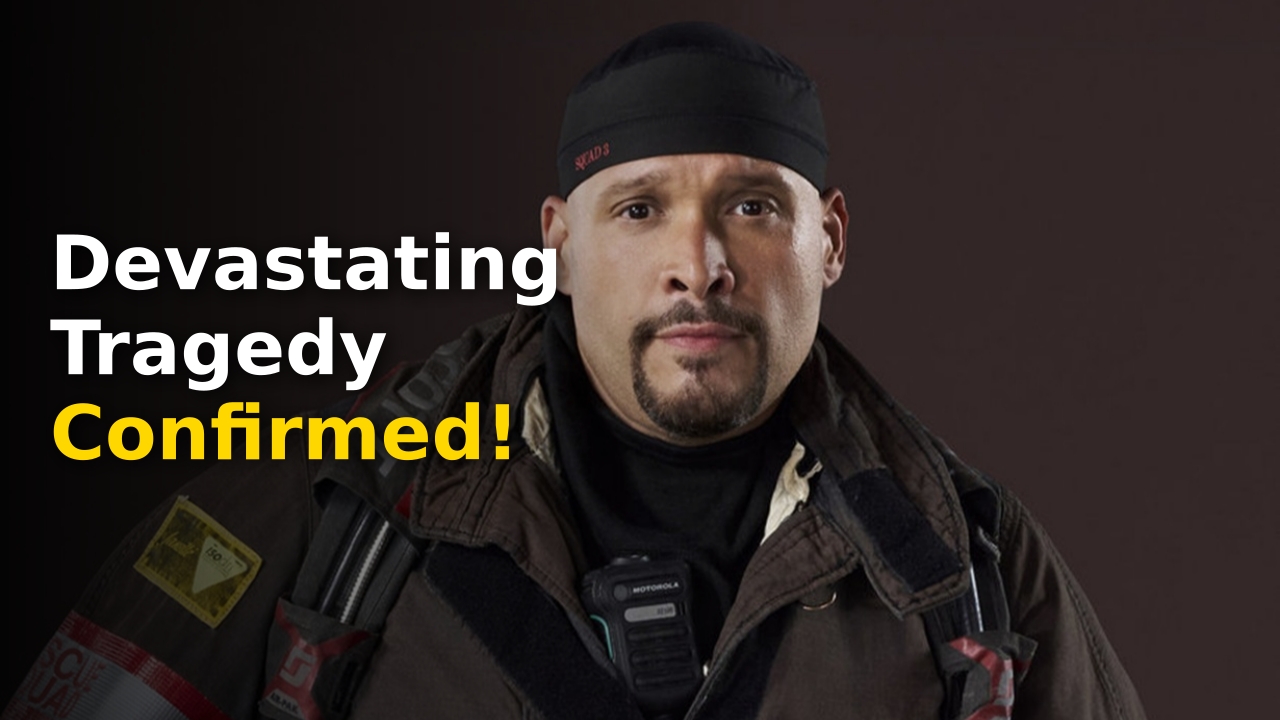
Key Takeaways
| Tragic Diagnosis: Joe Cruz suffers a career-ending spinal cord injury in the Season 15 premiere. |
| No Miracle Recovery: Showrunner Victor Teran warns there will be no quick physical restoration for the character. |
| Milestone Exit: Cruz’s final episode as a series regular is locked for the historic 300th episode. |
| Directorial Shift: Actor Joe Miñoso will remain in the family, directing an episode later in Season 15. |
**Joe Cruz Chicago Fire** fans are mourning after a devastating Season 15 premiere twist confirmed a heartbreaking medical exit.
You are about to witness one of the most grueling emotional journeys in the history of network television. The premiere of the popular NBC drama did not pull any punches when dealing with the aftermath of the intense warehouse blaze. Instead of offering a convenient, miraculous television recovery, the show chose a path of raw, painful realism. The elite rescue squad member is now facing a future confined to a wheelchair, forever stripped of his firefighting gear.
This shocking development has sent shockwaves through the One Chicago fan community. The creative decision to permanently sideline a beloved character is a massive gamble, but it is one that the writers believe is essential to honoring the real-world dangers faced by first responders. The stakes have never been higher, and the emotional fallout is set to redefine the series as it marches toward a massive production milestone.
Joe Cruz Chicago Fire Exit Confirmed
The decision to write out Joe Miñoso’s character comes at a time when the franchise is experiencing major structural shifts. Since his introduction in the inaugural season back in 2012, Joe Cruz has represented the emotional anchor of Squad 3, known for his deep loyalty, fiery temperament, and unwavering devotion to his brothers and sisters at Firehouse 51. To transition him away from the active roster required a storyline of monumental impact. The writers knew they could not simply have him walk away for a desk job or move to another city without a profound catalyst.
According to showrunner Victor Teran, the writers deliberately chose a grueling physical catastrophe rather than a soft exit. While other legacy characters like Chief Wallace Boden received open-ended, administrative departures, Cruz’s exit is characterized by physical finality. He is a man of action, and stripping away that action forces the character—and the audience—to confront the harsh reality of what these elite rescue units risk every single day. The sudden loss of mobility is a terrifying prospect for any first responder, and the show is refusing to shy away from that terror.
The decision to tie his departure to the highly anticipated 300th episode is both poetic and deliberate. This milestone hour will serve as a dedicated tribute to Cruz’s legacy, avoiding the distraction of returning faces or bloated crossover cameos. By focusing the camera squarely on his transition, the production team aims to deliver a focused, high-stakes drama that honors twelve years of dedication. The 300th episode will not just be a celebration of the show’s longevity, but a deep exploration of the sacrifices made by its most enduring characters.
Even though Cruz will no longer ride on Truck 81 or Squad 3, Miñoso’s relationship with the NBC hit series is far from over. The actor is scheduled to step behind the camera to direct an episode later in Season 15. This creative evolution highlights the deep mutual respect between the cast and the producers, ensuring that while the character’s physical journey ends, the artist’s influence remains. This behind-the-scenes transition provides a silver lining for fans who have grown to love Miñoso’s presence on set over the past decade.
The creative team wanted to avoid the repetitive nature of past character departures. By committing to a story of permanent physical limitation, they are charting new narrative territory for the series. This storyline allows them to explore the deep psychological impact of career-ending injuries, a reality that many real-life firefighters face but is rarely depicted with such uncompromising honesty on prime-time television.
The Creative Philosophy Behind the Tragedy
Showrunner Victor Teran explained that the One Chicago universe has explored various exit strategies over the decades. Some characters, like Matthew Casey, left for familial obligations, leaving the door open for sporadic guest appearances. Others, such as the beloved Otis, met a fiery and sudden death that left the house in a state of prolonged grief. Each of these departures served a specific narrative purpose, but the writers wanted to find a fresh, emotionally resonant way to say goodbye to Cruz.
By choosing a life-altering disability for Cruz, the show dives into a complex gray area. He is still alive, still part of the community, but permanently separated from his life’s calling. This narrative choice provides a rich psychological landscape to explore, as Cruz must redefine his identity outside of the firehouse walls. It challenges the traditional heroic tropes of network television by refusing to offer an easy, miraculous medical cure. The emotional weight of this transition will be felt by every single member of the cast.
The producers wanted to ensure that the exit felt earned and aligned with the character’s history. Cruz has always been a man who wears his heart on his sleeve, and his struggle to accept his new reality will be portrayed with utmost sincerity. The writers have worked closely with medical consultants to ensure that his rehabilitation process, physical therapy sessions, and emotional struggles are depicted with clinical accuracy, avoiding the sensationalism that often plagues medical dramas.

The Devastating Spinal Cord Injury Explained
The medical reality confronting Joe Cruz is exceptionally bleak. The warehouse fire featured in the Season 15 premiere inflicted severe trauma on his spinal column, resulting in an immediate loss of motor function in his lower extremities. In the cold, sterile rooms of Chicago Med, the diagnosis was delivered with agonizing clarity: he cannot walk, and even under the most optimistic long-term rehabilitation scenarios, his days as a first responder are permanently finished. There is no surgical fix, no experimental treatment, and no sudden breakthrough that will put him back on the truck.
To understand the gravity of this injury, one must look at the immense physical demands placed on Squad 3. These elite firefighters are tasked with heavy lifting, technical rescues, and navigating unstable structures while wearing up to 75 pounds of gear. A spinal injury of this magnitude makes it physically impossible to meet the rigorous standards of the Chicago Fire Department. The show’s commitment to portraying this limitation realistically means there will be no convenient plot armor to save him from early retirement.
Physical rehabilitation specialists note that portraying spinal cord injuries realistically on television is a double-edged sword. On one hand, it sheds light on the grueling, everyday struggles of individuals adapting to mobility aids. On the other hand, it demands a highly sensitive portrayal from the actor. Joe Miñoso’s performance is already earning praise for capturing the immediate shock, denial, and profound grief that accompanies a sudden, catastrophic loss of bodily autonomy. His portrayal is expected to resonate deeply with viewers who have faced similar life-altering diagnoses.
The narrative will follow Cruz as he navigates the stages of grief, moving from the initial shock of the premiere to the frustrating reality of physical therapy. His interactions with his wife, Chloe, and their children will take center stage as they adjust to an inaccessible world. The domestic strain of this transition is expected to be as devastating as the physical injury itself, testing the limits of their marital vows. The home dynamic will shift dramatically, forcing Chloe to take on the role of primary caregiver while Cruz grapples with a loss of independence.
This storyline also highlights the systemic challenges faced by disabled individuals. From navigating a world designed for the able-bodied to dealing with the bureaucratic hurdles of medical retirement, Cruz’s journey will expose audiences to the harsh realities of life after a catastrophic injury. The writers intend to use this platform to advocate for greater awareness and accessibility, turning a tragic television exit into a meaningful cultural conversation.
By The Numbers: Firefighter Injury Realities
Let’s look at real-world statistics to contextualize the storyline. According to data compiled by the National Fire Protection Association, spinal and muscular strains account for a significant percentage of career-ending injuries among active-duty firefighters. While dramatic warehouse explosions capture headlines, it is the cumulative wear and tear, coupled with acute structural collapses, that regularly forces veteran first responders into early retirement. By highlighting this grim reality, the series pays tribute to the silent, permanent sacrifices made by real-world emergency personnel.
Studies on first responder mental health indicate that the transition from active duty to retirement due to injury is often accompanied by high rates of depression and anxiety. Firefighters form a tight-knit brotherhood, and being suddenly severed from that community can lead to a profound sense of isolation. Cruz’s upcoming struggle with mental health will reflect these real-world challenges, offering a raw and honest look at the psychological battle that persists long after the physical wounds have closed.
Comparing Major Chicago Fire Exits
The exit of Joe Cruz is the latest in a long history of high-profile departures that have reshaped the series over fifteen seasons. Firehouse 51 has always been a revolving door of elite talent, with writers regularly utilizing tragic demises, career advancements, and personal crises to keep the high-stakes drama feeling authentic. These departures serve as critical turning points, forcing the remaining characters to adapt and grow in the face of constant change.
To better understand where Cruz’s tragic departure ranks in the grand scheme of the show’s history, we can examine a comparative analysis of how other key members of the 51 family have said their goodbyes. The following table highlights the diverse narrative strategies employed by the writers over the years, showcasing the balance between tragic endings and hopeful new beginnings.
| Character Name | Actor | Exit Season / Episode | Reason for Departure | Impact Rating (1-10) |
|---|---|---|---|---|
| Leslie Shay | Lauren German | Season 3, Episode 1 | Killed in an arson fire collapse | 9.5 |
| Brian “Otis” Zvonecek | Yuri Sardarov | Season 8, Episode 1 | Succumbed to severe burn injuries | 10.0 |
| Matthew Casey | Jesse Spencer | Season 10, Episode 5 | Relocated to Oregon to care for late friend’s kids | 8.5 |
| Wallace Boden | Eamonn Walker | Season 12, Episode 13 | Promoted to Deputy Fire Commissioner | 8.0 |
| Joe Cruz | Joe Miñoso | Season 15, Episode 300 | Career-ending spinal injury and paralysis | 9.8 |
As shown in the data above, the show has never been afraid to inflict maximum emotional pain on its audience. The death of Otis remains a benchmark for tragedy, but Cruz’s permanent paralysis is poised to match that level of emotional devastation. By choosing a slow, agonizing medical retirement over a sudden death, the writers are forcing the characters and the audience to sit with the grief in a way they have never had to before. This prolonged departure will make the eventual farewell in the 300th episode all the more impactful.
Comparing these exits reveals a deliberate pattern of keeping the show’s stakes realistic. If every character left for a happier life elsewhere, the inherent danger of the job would feel diminished. By balancing hopeful exits like Boden’s with devastating tragedies like Cruz’s, the show maintains its reputation as one of the most grounded and realistic procedural dramas on television. The upcoming transition will undoubtedly set a new standard for how the series handles character departures moving forward.
An Emotional Rollercoaster For Squad 3
The fallout of Cruz’s injury will reverberate heavily through Squad 3. Lieutenant Kelly Severide is set to carry an immense burden of survivor’s guilt. As the leader of the squad, Severide has always felt a deep, personal responsibility for the safety of his team. Watching one of his most trusted brothers fall in the line of duty under his command will test Severide’s mental fortitude, potentially triggering old coping mechanisms and driving a wedge in his personal relationships. The guilt will hang heavy over every decision he makes in the field.
For the rest of the crew, the empty locker in the common room will serve as a constant, sobering reminder of their mortality. The psychological toll of returning to the apparatus floor knowing their brother is in a wheelchair is a massive challenge. Writers are setting up a tense environment where every call feels slightly more dangerous, and every mistake is magnified by the fear of repeating Cruz’s tragedy. The camaraderie that once defined the house will be tested by a quiet, underlying anxiety.

The search for Cruz’s replacement will create immediate tension within Firehouse 51. Filling the shoes of an elite rescue squad member is no simple task, and whoever steps into that vacant seat will face intense scrutiny, resistance, and cold shoulders from a grieving crew. This transition period promises to introduce fresh dynamics and conflict, keeping the workplace drama as compelling as the rescue operations. The new recruit will have to earn their place in a house that is not yet ready to let go of the past.
The external toll on Cruz’s family life will also be heavily explored. His wife, Chloe, has always feared the knock on the door that every firefighter’s spouse dreads. Now, that fear has manifested not as a sudden death, but as a long-term, life-altering medical reality. The strain of navigating this new lifestyle, balancing medical bills, and managing Cruz’s deep depression will test the structural integrity of their family unit, providing a heavy dose of emotional realism. The home dynamic will be filled with quiet struggles as they seek a new normal.
As the team rallies around Cruz, they will also have to confront their own limitations. The realization that they cannot save everyone, not even their own brothers, is a harsh lesson that every first responder must eventually learn. This storyline will force the members of Firehouse 51 to grow in ways they never expected, deepening their bonds and preparing them for the challenges of a post-Cruz world. The emotional journey promises to be long, arduous, and highly transformative.
The 300th Episode Spectacular
To make the milestone 300th episode truly memorable, the production team is planning an insane call that rivals the show’s historic blockbusters. This massive spectacle will serve as the physical backdrop to Cruz’s final official day associated with the CFD. Rather than cluttering the narrative with returning characters, the show is hyper-focusing the emotional stakes on Cruz’s farewell. The goal is to provide a visceral contrast between the explosive, dangerous world of active-duty firefighting and the quiet, deeply personal transition Cruz must make into his new life.
The creative decision to exclude familiar returning faces was made after careful consideration. While milestone episodes often rely on nostalgia and surprise cameos, the showrunners felt that bringing back past characters would take the focus away from the man they truly want to honor. By keeping the spotlight firmly on Cruz, they ensure that his final hours with the department receive the respect and screen time they deserve. It is a bold choice that prioritizes character-driven storytelling over easy fan service.
This landmark episode is being designed as a cinematic experience, with high-production-value action sequences and deeply intimate character moments. The contrast between the chaos of the emergency call and the quiet emotion of the firehouse farewell will highlight the duality of a firefighter’s life. It promises to be an unforgettable hour of television that will leave a lasting mark on the franchise’s long history.
Historical Context and Joe Miñoso’s Legacy
To truly appreciate the loss of Joe Cruz, we must look back at his evolution over the past twelve years. When the show first premiered, Cruz was a talented but hot-headed driver, often struggling with the pressures of his rough upbringing in a gang-affiliated neighborhood. Over the seasons, viewers watched him mature into a compassionate, dedicated mentor, a loving father, and one of the most reliable anchors of the elite Squad 3. His journey from a troubled young man to a pillar of the community is one of the show’s greatest success stories.
His character’s historical arcs are deeply etched into the show’s lore. From the heartbreaking loss of his best friend Otis to his heroic rescue of countless civilians, Cruz has consistently been at the center of the show’s most emotionally resonant moments. The emotional weight of his impending exit is magnified by this deep history, making his forced retirement a profoundly bitter pill for long-time fans to swallow. The legacy he leaves behind is one of resilience, sacrifice, and unconditional love for his firehouse family.
To contextualize Joe Miñoso’s career journey, one can look at his official IMDb profile, which highlights his extensive work in both television and theater. His dedication to the craft has made him a beloved staple of the Chicago filming community, where he has consistently supported local arts education. His performance as Cruz has been widely recognized for its emotional depth and physical intensity, earning him a dedicated following among fans of the franchise.
To dive deeper into the lore of Firehouse 51 and the historical context of its long-running success, check out the comprehensive Wikipedia page for Chicago Fire, which details the show’s ratings dominance, cast evolutions, and critical reception over its fifteen seasons. This historical perspective reveals how the show has successfully navigated numerous cast changes while maintaining its core emotional appeal. The ability to reinvent itself while staying true to its characters is the secret to its enduring popularity.
We also encourage you to read more about the thrilling updates and cast interviews on our dedicated home for One Chicago news at Bright Celebrity, where we cover the latest television insights. For instance, you can explore our deep-dive analysis into the most shocking television cast departures of the decade to see where Cruz’s tragic injury ranks among the most tear-jerking exits. Additionally, our comprehensive guide on the future of One Chicago crossovers offers fans a glimpse into what the rest of Season 15 holds for the expanded universe.
People Also Ask
Why is Joe Cruz leaving Chicago Fire in Season 15?
Joe Cruz, played by actor Joe Miñoso, is exiting the show due to a tragic spinal cord injury sustained in a warehouse fire during the Season 15 premiere. This devastating injury leaves him permanently unable to walk or continue his career as an elite rescue squad member.
Is Joe Miñoso directing an episode of Chicago Fire?
Yes, although his character Joe Cruz is exiting the active roster, actor Joe Miñoso remains an active part of the production family. He is scheduled to direct an episode later in Season 15, transitioning his talents behind the camera.
Will there be a miracle recovery for Joe Cruz?
No, showrunner Victor Teran has explicitly warned that there will be no miraculous recovery for Joe Cruz. The creative team is committed to portraying his paralysis and life-altering spinal injury with a strong sense of realism and serious consequences.
When is Joe Cruz’s final episode of Chicago Fire?
Joe Cruz’s final episode will air during the show’s milestone 300th episode. This special hour is designed to focus entirely on honoring his legacy, featuring an intense rescue call and an emotional send-off without the distraction of returning faces.
The Future of Firehouse 51
As Firehouse 51 marches toward its 300th episode milestone, the loss of **Joe Cruz Chicago Fire** stalwart marks the end of an era. His departure leaves a massive void in the heart of the series, challenging the remaining characters to find a way forward amidst tragedy. Yet, it is this very willingness to confront permanent, life-altering change that has kept the show at the pinnacle of network television for fifteen seasons. The strength of the series lies in its ability to reflect the true, unfiltered experiences of first responders.
The series has built its legacy on the idea that the hazards of the job are real and that no character, no matter how beloved, is truly safe. By refusing to shield Cruz from the permanent physical consequences of his heroism, the writers have re-established the high stakes that make every rescue sequence feel genuinely dangerous. It reminds the audience that behind every heroic rescue is a human being who risks everything with no guarantee of a happy ending.
Fans will undoubtedly shed tears as the 300th episode approaches, but they can take comfort in knowing that Joe Cruz’s legacy of bravery, loyalty, and love will forever remain the guiding light of Squad 3. As the sirens wail and the trucks roll out for the next emergency, the spirit of Number 51 will carry on, forever changed but unyielding. The show’s future will be built on the foundation laid by characters like Cruz, ensuring his sacrifice is never forgotten.
The transition of Joe Miñoso to the director’s chair also represents an exciting new chapter for the franchise. It demonstrates the show’s commitment to nurturing talent and keeping its creative family intact. As we say goodbye to Cruz the firefighter, we welcome Miñoso the director, keeping his artistic vision alive within the One Chicago universe. This evolution is a tribute to the enduring bond that exists both on and off-screen at Firehouse 51.
In the end, the story of Joe Cruz is not just one of tragedy, but one of profound resilience. As he faces his new reality, he will show audiences what it truly means to be a hero, not by running into burning buildings, but by finding the strength to carry on when the smoke clears. His journey will continue to inspire, reminding us all that the fire within can never be truly extinguished, no matter how difficult the road ahead may seem.
More Like This
For more updates, check out our latest entertainment and sports news.