Key Takeaways
| Lila Avilés has officially wrapped production on her third feature film titled Cábula. |
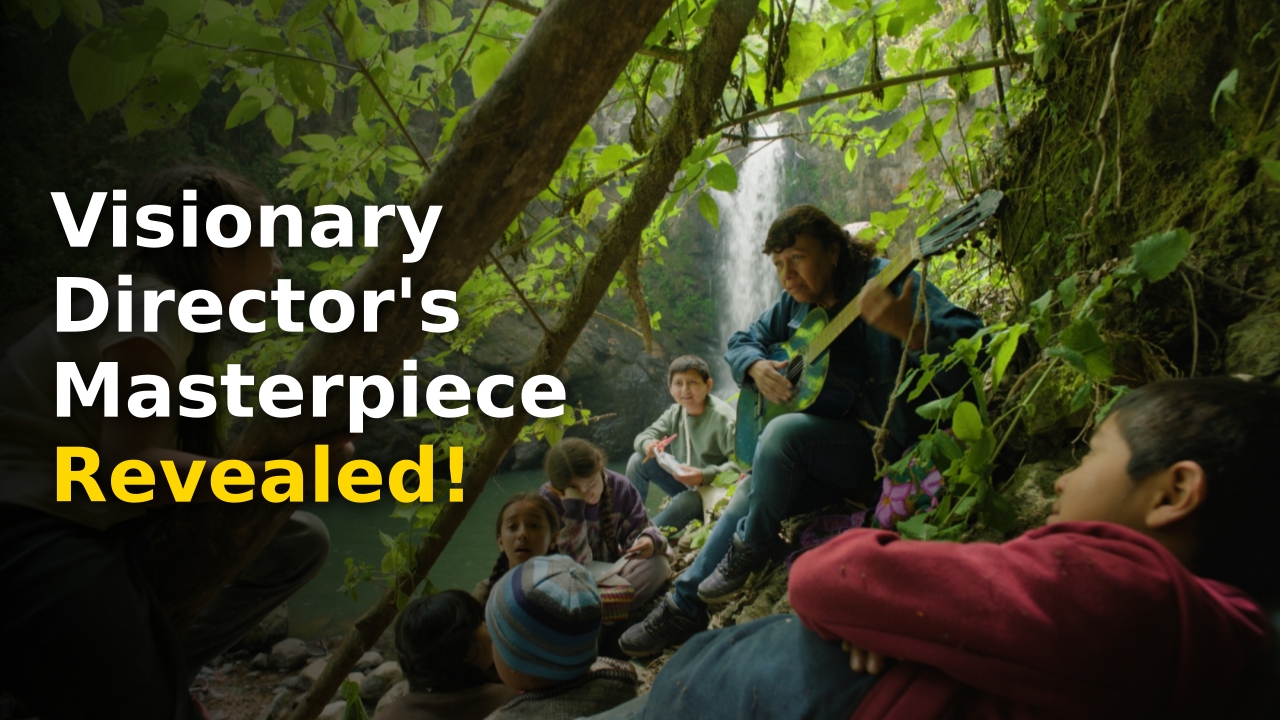
| The film stars longtime collaborator Teresita Sánchez as a dedicated teacher in a fictional town. |
| Cábula will be featured at the prestigious Venice Gap-Financing Market from September 4 to 6. |
| Producer Nicolás Celis, known for the Oscar-winning Roma, is backing the project via Cuadernos de Cine. |
You are witnessing a pivotal moment in contemporary international cinema as the highly anticipated Lila Avilés Cábula project completes its filming phase in Mexico. The visionary director, whose previous work Tótem captivated the global festival circuit, has officially wrapped production on this latest masterpiece. This news marks a significant milestone for fans of auteur-driven narratives and Mexican cultural storytelling.
The film is set to make a massive splash at the upcoming Venice Gap-Financing Market, providing an exclusive first look to industry elites. By moving into the post-production stage, Avilés cements her status as one of the most consistent and evocative voices in the industry today. You can expect Lila Avilés Cábula to challenge social norms while celebrating the unsung heroes of the educational system.
The Artistic Evolution of Lila Avilés Cábula
The journey toward Lila Avilés Cábula began long before the first camera rolled on the set of Mexicalpan. Avilés has noted that her creative process is a continuum, where one project naturally breathes life into the next. While she was developing the intimate family dynamics of Tótem, the seeds for this new narrative were already taking root in her heart. This persistent storytelling method ensures that each film feels like a deeply personal chapter of a larger artistic diary.
For this production, Avilés has reunited with her cinematic muse, Teresita Sánchez, a performer of extraordinary depth. Sánchez, who previously starred in both The Chambermaid and Tótem, takes on the role of Toña, a compassionate teacher. The director compares Sánchez to the legendary Giulietta Masina, noting her unique ability to balance tragedy and comedy with a single look. This partnership is the backbone of the film’s emotional resonance and its grounded, humanistic approach.

Defining the Auteur Voice
Avilés transitioned from a career in acting and theater direction to filmmaking with a distinct sense of space and rhythm. Her debut, The Chambermaid, showcased a rigorous attention to detail that transformed a hotel setting into a microcosm of class hierarchy. With Lila Avilés Cábula, she expands this scope to a fictional town, allowing for a more satirical and expansive critique of power. This shift suggests a director who is comfortable growing beyond the domestic sphere into more complex societal reflections.
The inclusion of the Venice Gap-Financing Market is a strategic move for the production team. This platform allows high-profile projects to secure the final pieces of funding needed for international distribution and technical completion. Given Avilés’ track record at the Berlinale and her status as a two-time Oscar representative for Mexico, the project is expected to be a top priority for global buyers. This market presence underscores the commercial viability of high-concept Mexican cinema in the modern age.
A Narrative Masterclass in the Heart of Mexicalpan
The story of Lila Avilés Cábula unfolds in the fictional Mexican town of Mexicalpan, a setting that serves as a collective mirror for the nation’s struggles and triumphs. The protagonist, Toña, is portrayed as a woman who sees, hears, and feels the needs of her community with profound intensity. Her commitment to nurturing the creativity of her students provides a stark contrast to the dehumanizing forces she eventually encounters. This narrative choice elevates the film from a simple drama to a tribute to the transformative power of education.
When an invitation leads Toña and her students to the capital, the film shifts into a satirical exploration of cultural appropriation. An absurd group of elites attempts to exploit the customs of Mexicalpan for their own benefit, leading to a series of betrayals. However, the film uses humor as a form of resistance, refusing to let the cruelty of the world extinguish Toña’s spirit. It is this balance of irreverence and tenderness that defines the Avilés touch, making her work both accessible and intellectually rigorous.
The Role of Satire and Resistance
By utilizing comedy as an ‘escape valve,’ Avilés addresses the harsh realities of underpaid teachers who become anonymous heroes. In a country where educational budgets are often minimal, the film highlights the resilience required to maintain a vocation. The interaction between the local talents and seasoned professionals like Gabriela Cartol and Montserrat Marañón adds a layer of authenticity to the town’s social fabric. This blend of acting styles creates a vibrant, lived-in world that feels both specific to Mexico and universal in its themes.
Expert Take: Film historians often point to the ‘New Wave’ of Mexican female directors as a definitive shift in Latin American cinema. Lila Avilés stands at the forefront of this movement by rejecting the sensationalized violence often associated with the region’s exports. Instead, she focuses on the ‘intimate moral counterweight’ found in everyday life. Lila Avilés Cábula represents a sophisticated evolution of this trend, moving into the realm of social satire while maintaining the emotional intimacy that earned her the Ecumenical Prize at Berlin.
By The Numbers: Lila Avilés Career Statistics
To understand the weight behind the Lila Avilés Cábula production, one must look at the trajectory of the director’s career. Since her debut in 2018, she has become a staple of major international film festivals and a critical darling in the United States and Europe. Her ability to secure top-tier producers like Nicolás Celis speaks to the industry’s confidence in her vision and the potential for commercial success in the arthouse sector.
| Film Title | Year | Major Awards/Nominations | Festival Debut |
|---|---|---|---|
| The Chambermaid | 2018 | Ariel First Feature Award | Toronto (TIFF) |
| Tótem | 2023 | Berlinale Ecumenical Prize | Berlin (Berlinale) |
| Cábula | 2026 | Venice Gap-Financing Selection | TBA (Venice expected) |
The involvement of Maria Zamora of Elastica Films as a co-producer further strengthens the film’s international ties. Zamora is a powerhouse in Spanish cinema, known for supporting auteur voices that bridge the gap between Europe and Latin America. This collaboration ensures that Lila Avilés Cábula will have a robust distribution strategy across multiple continents. The film’s pedigree is undeniable, combining the artistic rigor of Avilés with the commercial savvy of the world’s leading production shingles.
Production Powerhouse: The Team Behind the Vision
Behind the scenes of Lila Avilés Cábula is a production engine designed for excellence. Nicolás Celis, the founder of Cuadernos de Cine, is a name synonymous with high-quality Mexican cinema. Celis was a key producer on Alfonso Cuarón’s Roma, which won three Academy Awards and redefined the global perception of black-and-white Spanish-language drama. His partnership with Avilés suggests that Cábula is being positioned for a similar trajectory of prestige and acclaim.
Celis has described Avilés as a ‘visionary,’ emphasizing the challenge and privilege of championing genuine auteur voices in a crowded market. The synergy between director and producer is crucial for independent films that aim to tackle complex social issues while maintaining high production values. With the support of Pimienta Films, the production powerhouse sibling to Cuadernos de Cine, the film benefits from an infrastructure that understands the nuances of both local filming and global marketing.
A Legacy of Excellence in Mexican Cinema
The screenplay for the film was a collaborative effort between Avilés and Miguel Vasallo. This partnership allowed for a rich, multilayered script that balances the director’s visual style with sharp, thematic dialogue. The decision to cast a mix of seasoned actors and fresh local talent is a hallmark of the Avilés method, ensuring that the world of Mexicalpan feels authentic and unpredictable. This dedication to craft is what separates her work from standard commercial fare.
As the project heads to the Venice Gap-Financing Market, the focus remains on finding the right partners to bring the vision to fruition. This market is specifically designed for projects that have already secured at least 70% of their funding, making it a playground for serious investors and distributors. The buzz surrounding Lila Avilés Cábula suggests that it will be one of the most sought-after titles of the session, further cementing Mexico’s role as a leader in global storytelling.
The Artistic Continuum: From The Chambermaid to Cábula
To truly appreciate the significance of Lila Avilés Cábula, one must look at how it builds upon the foundation of her previous works. Avilés has stated that she already had the heart of Tótem in her mind while filming her debut, and the idea for Cábula was born during the production of her second feature. This interconnectedness allows for a thematic consistency that is rare in modern filmmaking. Her films often explore the concept of the ‘anonymous hero,’ whether it is a hotel maid, a family member, or now, a dedicated teacher.
This ‘persistence of stories’ is what drives her creative engine. According to her director’s statement, the film explores vulnerability and tenderness as tools for rebuilding the social fabric. In a world that often feels ‘cruel and dehumanizing,’ her characters provide a beacon of hope and moral clarity. For more exclusive celebrity insights and deep dives into the world of film, it is clear that Avilés is a name that will dominate headlines for years to come.
A Deep Dive into Mexican Social Realism
The fictional town of Mexicalpan serves as a microcosm for the broader Mexican experience. By creating a fictional space, Avilés can exaggerate certain societal absurdities for comedic effect without losing the core truth of the struggle. This approach is reminiscent of the great Latin American literary tradition of magical realism, though Avilés keeps her feet firmly planted in a stylized social realism. The film’s exploration of class conflict and the exploitation of customs is a timely critique of the global ‘experience economy.’
By The Numbers: Mexican cinema has seen a 40% increase in female-led productions over the last decade, with Lila Avilés leading the charge. Her films consistently over-perform on the festival circuit, with Tótem securing distribution in over 30 countries. The expectations for Lila Avilés Cábula are even higher, as it represents her most ambitious narrative structure to date. Industry analysts predict a strong showing at the 2027 award season based on the early buzz from the Venice market.
People Also Ask
What happened with Lila Avilés Cábula today?
Today it was officially announced that production on the film has wrapped, and a first-look image was released ahead of its debut at the Venice Gap-Financing Market.
Why is Lila Avilés trending right now?
The director is trending due to her successful track record with films like Tótem and the high anticipation for her new project Cábula, which features Oscar-winning production backing.
How does this film affect the Mexican film industry?
Cábula strengthens the global presence of Mexican cinema and highlights the growing influence of female directors in the region’s contemporary new wave movement.
When is the Venice Gap-Financing Market taking place?
The market is scheduled to take place from September 4 to September 6, where Lila Avilés will present Cábula to international investors and distributors.
Final Thoughts on the Future of Mexican Cinema
As we look forward to the eventual release of Lila Avilés Cábula, it is clear that we are watching a master at work. Avilés has managed to bridge the gap between intimate character studies and broad social critique, all while maintaining a sense of humor and heart. Her collaboration with Teresita Sánchez remains one of the most fruitful partnerships in modern film, promising a performance that will likely be discussed for decades. This film is not just another entry in her filmography; it is a bold statement on the value of education and the resilience of the human spirit.
For those following entertainment industry breakthroughs, the success of this production is a testament to the power of independent vision. By navigating the complexities of international financing and social satire, Avilés has carved out a unique space for herself on the world stage. As Lila Avilés Cábula prepares for its post-production journey, the world waits with bated breath to see how this ‘magic woman’ will once again transform the silver screen. Keep an eye on global cinema news for the latest updates on release dates and festival premieres.
More Like This
For more updates, check out our latest entertainment and sports news.