Key Takeaways
| Authentic connection beats forced extroversion every single time. |
| Networking DNA is unique and requires individual customization. |
| Avoid transactional behavior to maintain long-term industry reputation. |
| Personalized follow-ups outperform mass-automated messaging strategies. |
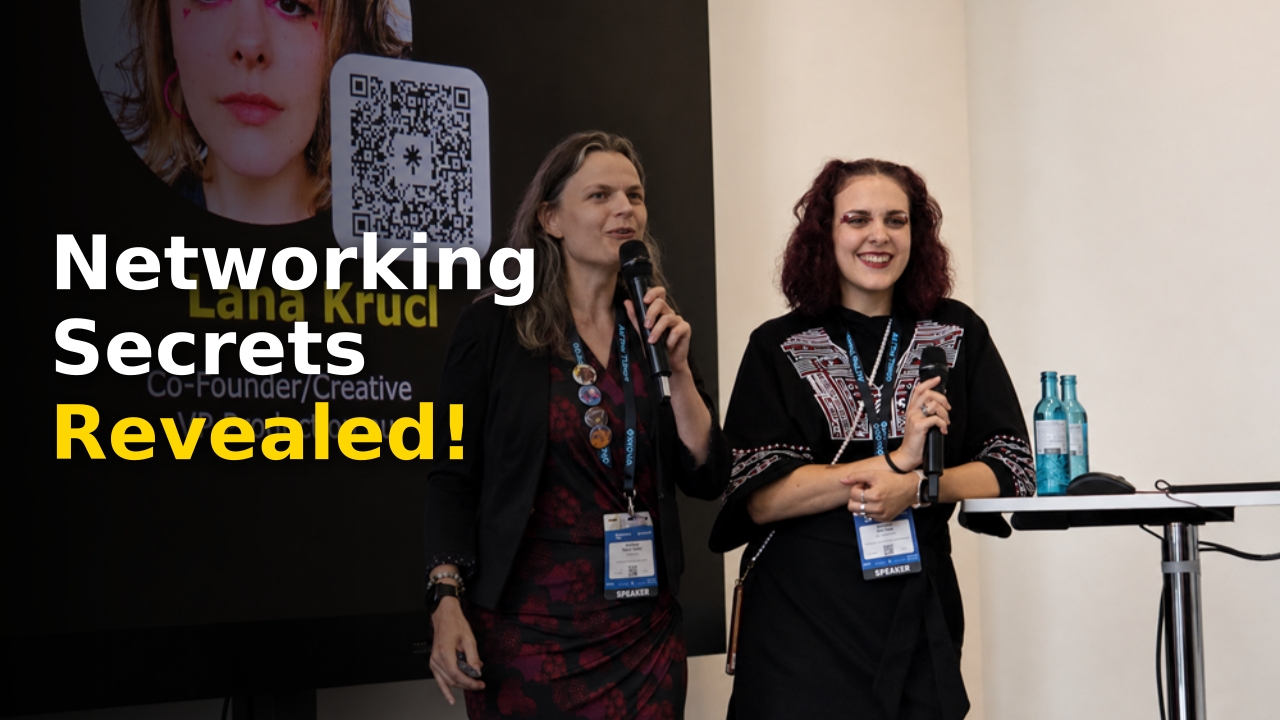
Game industry networking is often painted as a mandatory gauntlet of loud parties and endless business card exchanges, but the truth is far more nuanced for the modern developer. If you have ever felt like a total fraud forcing yourself to be the life of the party while your social battery drains to zero, you are not alone. The recent discourse at Gamescom 2026 revealed a fundamental shift in how professionals approach their careers: stop pretending to be an extrovert and start honoring your own professional DNA.
For many, the idea of walking into a crowded room to pitch their latest project feels like facing a high-difficulty raid boss with zero preparation. However, industry veterans Adinda and Lana argue that the traditional roadmap is outdated. By aligning your networking style with your genuine personality, you avoid burnout and build more durable, meaningful relationships. This article explores how to craft a sustainable career path that respects your boundaries while keeping you visible in a highly competitive global market.
Understanding Game Industry Networking DNA
Finding your specific game industry networking profile is the difference between a thriving career and total burnout. Adinda, a seasoned mentor, champions the spontaneous, party-loving approach, while others like Sound Monkeys founder Lana find success through quiet coffee meetings and structured, small-scale interactions. The key takeaway is that you do not need to follow the crowd to be successful.
You should view networking as a form of self-expression rather than a chore. If you find loud, chaotic environments draining, there is no professional mandate forcing you to attend every late-night industry bash. It is entirely acceptable to curate your event attendance, focusing on environments where you feel comfortable and capable of sustaining high-quality, thoughtful conversations.
For those who struggle with introversion, the concept of a ‘safety net’ or ‘personal kick’ can serve as a bridge to extroversion when necessary. This might look like dressing in a way that makes you feel confident, such as utilizing bold makeup or wearing a piece of clothing that serves as a conversation starter. Creating this external armor allows you to project the presence required for professional interaction without compromising your internal comfort levels.

Flexibility remains the final component of this strategy. Determine your daily capacity and decide whether to be a ‘Hopper’—someone who moves quickly through a room for brief, high-energy touchpoints—or a ‘Sticker’—someone who prefers deep, focused dialogue with a few key individuals. By acknowledging your limits early, you transform networking from a source of anxiety into a manageable, strategic part of your professional routine.
Data Insights and Professional Strategies
Success in this industry is rarely about the sheer volume of contacts, but rather the quality of the connections made over time. The following table outlines strategies for different personality types in the gaming sector to help optimize your next big conference experience.
| Strategy Type | Best For | Key Action |
|---|---|---|
| The Sticker | Deep Focus | Deep conversation with 3-5 targets |
| The Hopper | Broad Visibility | Brief intros across various groups |
| The Curator | Low Energy | One-on-one coffee shop meetings |
Background and Industry Perspectives
The history of professional networking in gaming has evolved from chaotic trade show halls to more refined, digital-first ecosystems. Despite the rise of tools like LinkedIn, the fundamental human need for trust-based interactions remains the industry’s bedrock. Forbes’ guide to effective networking highlights that genuine curiosity is the most potent tool in any professional’s arsenal.
One crucial pitfall is the ‘spotlight effect,’ where professionals mistake a dinner or a quick chat with a high-profile executive for a deep, long-standing relationship. Both Adinda and Lana emphasize that treating peers as ‘ladders’ for personal gain is a rapid way to damage your reputation. In such a tight-knit community, your integrity is your most valuable asset, and being viewed as transactional or ‘shark-like’ can close doors faster than any lack of skill.
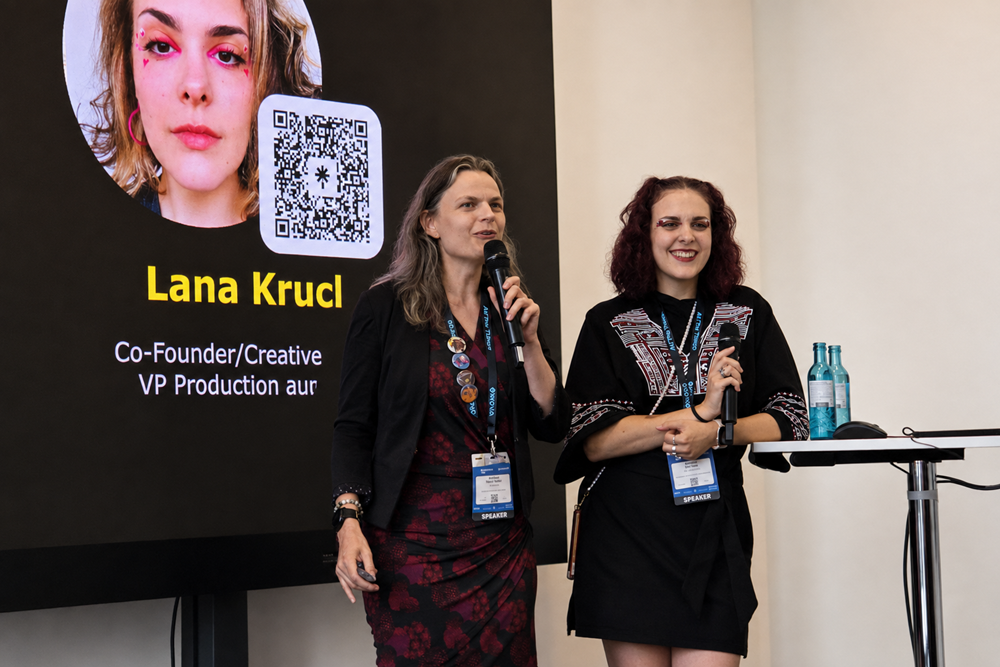
The ‘silent disco’ anecdote shared by the speakers serves as a perfect metaphor for modern networking: success often happens in the quiet corners rather than the center of the storm. By finding a ‘safe person’—an acquaintance who requires no performative energy—you can recharge your batteries throughout long events. For more on how major industry shifts are impacting developers, check out the latest insights on professional development in gaming at BrightCelebrity.
People Also Ask
What does ‘Networking DNA’ mean for game developers?
It refers to the unique, comfortable, and sustainable approach an individual takes toward building professional relationships. It encourages moving away from one-size-fits-all extroversion in favor of strategies that align with your natural personality.
Why is transactional networking discouraged in the game industry?
The gaming industry is notoriously tight-knit, meaning reputation travels fast. Viewing people merely as tools for upward mobility is easily spotted and leads to long-term professional exclusion.
How can I avoid burnout during major events like Gamescom?
Adopt a flexible approach by setting clear goals, taking breaks with a trusted friend to recharge, and giving yourself permission to skip events that do not suit your personality or energy levels.
What are effective ways to follow up after an event?
Personalization is key. Avoid mass-sent AI messages and instead type individual, thoughtful notes that reference specific discussions you had with that person to ensure the relationship lasts.
Final Thoughts on Long-Term Success
Remember that the career path you are walking is a marathon, not a sprint. The pressure to ‘make it’ often forces developers to engage in superficial networking that yields short-term gains but long-term fatigue. By prioritizing your own mental and physical well-being through intentional networking, you ensure that you remain a vital part of the industry for years to come.
Always strive for authenticity, whether you are chatting with a CEO or a new volunteer. By staying true to your unique professional persona, you cultivate a network built on mutual respect rather than fleeting convenience. Ultimately, finding your game industry networking style is the most effective way to secure a future in this fast-paced and creative world, ensuring you build a reputation that precedes you in the best possible way. For ongoing updates on career growth, visit our dedicated page on professional advancement or explore the latest gaming career insights.
More Like This
For more updates, check out our latest entertainment and sports news.