Key Takeaways
| Colonial Origins: The documentary exposes how British imperial policies stripped the Kikuyu people of their ancestral highlands. |
| Corporate Complicity: Modern multinational tea corporations continue the cycle of exploitation established during the colonial era. |
| Personal Revelation: Director Bea Wangondu discovers her own grandfather’s historical role as a perpetrator of colonial-era abuse. |
| Systemic Violence: The film details ongoing physical and sexual violence against plantation workers hidden by corruption. |
Every cup of tea you enjoy carries the heavy weight of the Kikuyu Land review 2026, a documentary that forces consumers to confront the brutal reality behind Kenya’s lush tea plantations. You might see a peaceful landscape, but beneath the surface lies a history of systemic displacement and corporate greed that has spanned generations. By examining the legacy of colonial governor Evelyn Baring, the film highlights how the Kikuyu people were systematically stripped of their rights and land to serve the interests of the British Empire.
This isn’t just a historical lesson; it is an active, ongoing struggle for justice led by individuals like Mr. Mungai, an activist fighting for his family’s stolen inheritance. As you read this, remember that your morning beverage is directly linked to the harrowing ordeals of workers who face daily violence, intimidation, and profound corporate indifference. The hidden history of global commodities requires a much deeper look than what is typically presented in mainstream media.
The True Impact of Kikuyu Land Review 2026
The Kikuyu Land review 2026 serves as a cinematic indictment of both colonial architects and modern multinational entities. The film exposes the structural parallels between the 1950s era of imperialist control and the current agricultural practices dominating the Kenyan highlands. By analyzing the life of the Kikuyu community, the directors present a narrative of survival against a backdrop of institutional erasure. 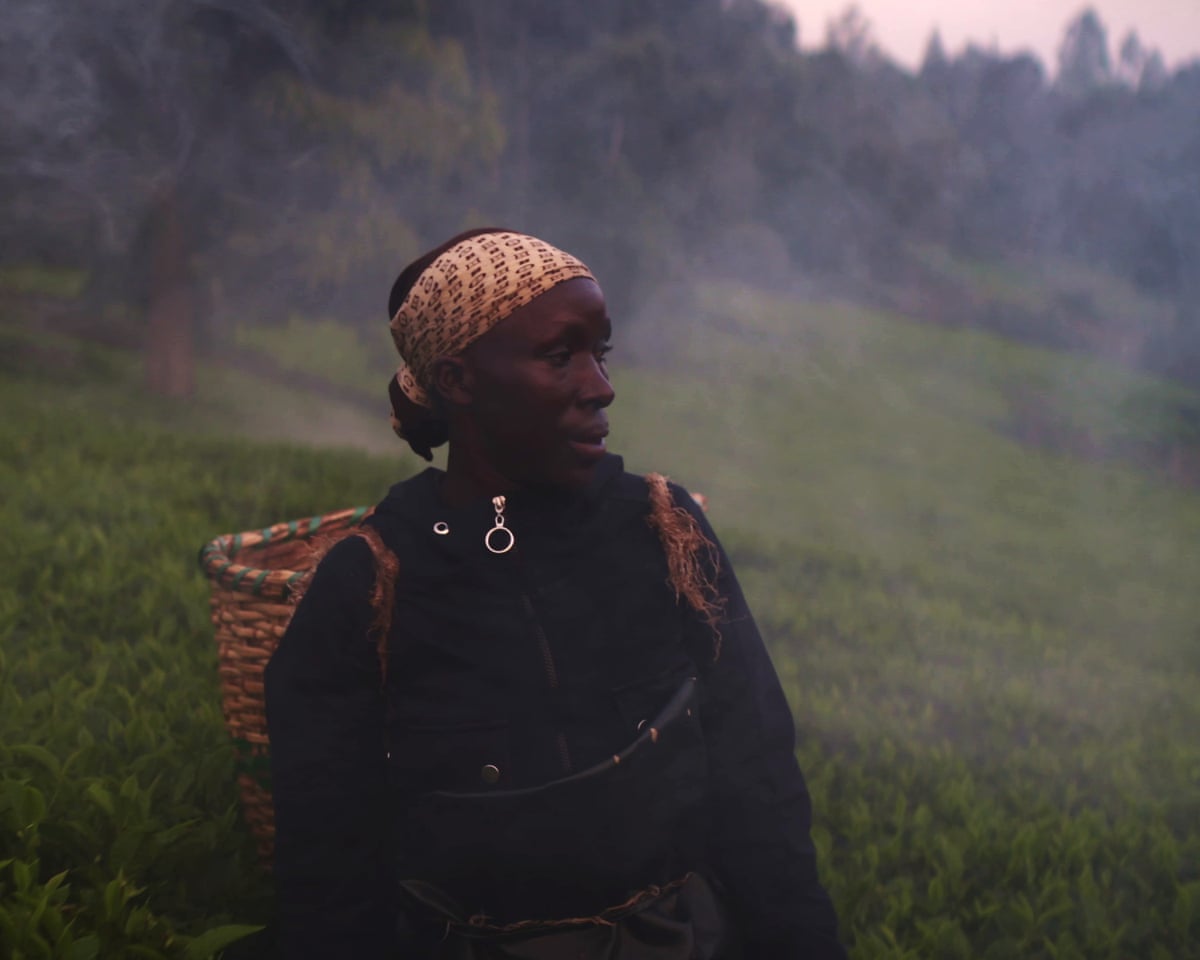
The documentary shifts from an objective investigative piece to a deeply personal memoir when Bea Wangondu uncovers her own family secrets. This revelation challenges the viewer to think about complicity in ways that go beyond mere consumption. It forces us to ask: how many of our own family histories or corporate affiliations are built upon the exploitation of others? You can find more detailed perspectives on this documentary at The Guardian.
The Legacy of Evelyn Baring
The 1950s served as a turning point for Kenyan agriculture, characterized by the aggressive policies of colonial authorities. Evelyn Baring is highlighted for his role in cementing a system that extracted labor and resources while disenfranchising the native population. This era created a blueprint for exploitation that continues to influence land ownership disputes today.
Plantation Statistics and Corporate Power
| Category of Impact | Historical Context | Modern Status |
|---|---|---|
| Land Ownership | Forced Displacement | Ongoing Litigation |
| Labor Rights | Extraction-based | Systemic Violence |
| Accountability | State Indifference | Corporate Denial |
Understanding these statistics reveals the scale of the crisis. While international trade organizations often track production metrics, they rarely account for the human cost associated with these supply chains. When you look at the cultural impact of investigative media, it becomes clear that statistics alone do not capture the trauma experienced by workers in the tea industry.
Background and Colonial Complicity
The Kikuyu Land review 2026 digs into the archives of colonial history to show how the state disposed of its critics. Interviews with intelligence officers reveal a chilling, organized method of intimidation that has persisted for decades. This section of the documentary is perhaps the most difficult to watch, as it demonstrates that the machinery of oppression is not merely a ghost of the past.
Expert Take on Colonial Extraction
Agricultural economists often note that the infrastructure left by colonial powers was explicitly designed for export, not local development. This legacy persists today, as large corporations maintain control over the most fertile land, effectively locking out local farmers from the global market. For more on this, check out Forbes’ analysis of commodity supply chains and how they shape emerging economies.
The Personal Cost of Truth
Bea Wangondu’s journey is not just an investigative effort; it is a reckoning with her family’s identity. The discovery that her grandfather was a perpetrator of abuse changes the narrative from an external struggle to an internal one. It suggests that the history of tea is not just about geography, but about the inheritance of power and guilt. You can follow expert reviews on investigative journalism on our site to learn more about this trend.
People Also Ask
What is the Kikuyu Land documentary about?
The documentary, released in 2026, investigates the colonial-era history and modern exploitation surrounding Kenyan tea plantations, while also uncovering a personal family secret of the director, Bea Wangondu.
Why is Kikuyu Land trending in 2026?
The film is trending due to its harrowing expose of systemic violence in the tea industry and the director’s courageous confrontation with her family’s historical complicity in colonial abuse.
Who are the key figures in Kikuyu Land?
The documentary features investigative journalist Bea Wangondu, activist Mr. Mungai, and references the colonial history of governor Evelyn Baring.
Does the tea industry face corruption allegations?
Yes, the film provides evidence that multinational corporations and government entities have long ignored systemic physical and sexual violence in exchange for economic profit.
Final Thoughts
The Kikuyu Land review 2026 stands as a powerful reminder that our daily habits are connected to global issues of human rights and history. It is time to look beyond the surface of what we consume and demand accountability from the industries that profit from the past. By confronting the uncomfortable truth, we take the first step toward rectifying the long-standing injustices highlighted in this documentary.
More Like This
For more updates, check out our latest entertainment and sports news.