Key Takeaways
| Neurological Mirroring | The human amygdala triggers fight-or-flight chemicals when observing others in panic. |
| Workplace Transmission | Unchecked coworker panic causes physiological secondhand stress in healthy colleagues. |
| Grounding Defense | The sensory 54321 exercise effectively interrupts immediate stress transmission. |
| Empowered Boundaries | Polite but assertive conversational redirection shields individual cognitive balance. |
You walk into your office feeling completely centered, only for a colleague to corner you with a breathless monologue about impending deadlines. Within minutes, your palms are damp, your heart is racing, and your serene morning is utterly ruined. Many individuals experiencing this modern phenomenon find themselves asking: is anxiety contagious?
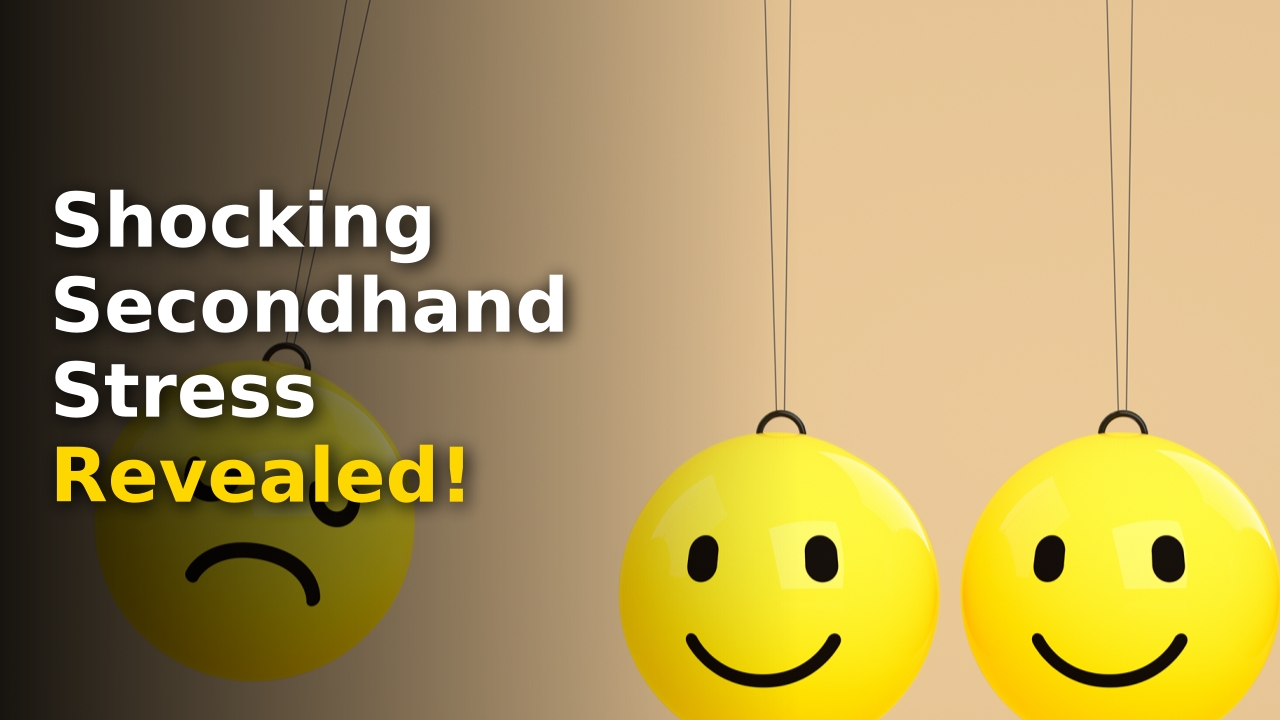
The biological answer is a definitive and resounding yes. Psychological distress behaves remarkably like a highly transmissible airborne pathogen. It passes silently from one nervous system to another through micro-expressions, vocal frequencies, and frantic body language. In a hyper-connected society, understanding the mechanism of is anxiety contagious is essential for safeguarding your mental well-being.
By exploring the hidden neural pathways of emotional mirroring and implementing tactical behavioral boundaries, you can effectively build a psychological firewall. This comprehensive analysis unpacks the medical science behind secondhand tension. It also provides actionable, research-backed strategies to keep you grounded when everyone around you is spiraling.
Is anxiety contagious: The Amygdala Connection
To understand why panic spreads so rapidly, we must look directly at the neurobiology of the human brain. When you interact with a highly stressed person, your visual and auditory systems register their rapid breathing, dilated pupils, and tense posture. The brain processes these subtle inputs through the amygdala, which functions as your body’s internal smoke detector.
The tricky part is that the amygdala does not distinguish between a real, physical threat and a coworker’s frantic energy. If your colleague acts as though the building is on fire, your amygdala assumes there is a legitimate danger. It instantly initiates a sympathetic nervous system response, sending your body into survival mode.
This neurological hijack triggers an immediate rush of biochemicals, specifically adrenaline, cortisol, and norepinephrine. You literally feel the other person’s mental distress in your physical body as your blood pressure climbs. This involuntary biological mimicry explains how easily you can absorb someone else’s emotional instability without realizing it.
The Role of Mirror Neurons
Human survival has always depended on our ability to understand and anticipate the feelings of those around us. This capability is driven by mirror neurons, which are specialized brain cells that fire both when we perform an action and when we observe someone else performing that same action. While mirror neurons enable deep empathy, they also act as the primary highway for emotional contagion.
When these cells mirror an anxious peer, they stimulate the same neural pathways in your brain that would activate if you were facing the stressor yourself. This is why public figures must learn how public figures manage mental health to maintain performance under immense public pressure. Without conscious intervention, your system will automatically match the dysregulated baseline of those in your immediate proximity.

Evolutionary Roots of Emotional Contagion
While absorbing someone else’s frantic energy feels incredibly counterproductive in a modern office, it was once a vital survival adaptation. For early humans, observing a tribe member showing signs of sudden panic was a clear evolutionary cue to run. If your ancient ancestors waited to personally spot the approaching predator, they likely would not have survived.
Consequently, our bodies evolved to automatically mimic the fear responses of our immediate social group. This rapid, non-verbal transmission of stress kept early human communities safe from environmental dangers. Today, however, this survival mechanism is triggered by non-threatening events like corporate presentations or overflowing email inboxes.
Because our biological hardware has not evolved as quickly as our modern work environments, we remain highly vulnerable to these ancient survival loops. We react to an agitated supervisor with the same biological intensity that our ancestors reserved for wild animals. Recognizing this evolutionary mismatch is the first step toward reclaiming control over your nervous system.
In the modern wellness landscape, prioritizing self-care is no longer a luxury but a biological necessity. To understand how prominent leaders navigate these intense social environments, it helps to examine the holistic lifestyle choices of top stars who face constant public scrutiny. By modeling their structured routines, you can cultivate a resilient internal state that resists external panic.
Quantifying Secondhand Stress in Public Spaces
The transmission of panic is not just a subjective feeling; it is a measurable physiological event. Clinical researchers have documented significant spikes in salivary cortisol levels among neutral observers who simply watch stressed individuals perform tasks. This research demonstrates that physical presence is not even required to trigger emotional contagion.
In fact, high-tension energy can easily spread through digital mediums, phone calls, and video conferences. This means remote workers are just as vulnerable to absorbing the frantic baselines of their team members. The following data highlights how different communication channels impact the speed and intensity of emotional transmission:
| Communication Channel | Primary Neurotransmitter Triggered | Cortisol Increase Rate | Average Recovery Window |
|---|---|---|---|
| In-Person Meetings | Adrenaline & Cortisol | High (40-50%) | 30 to 45 Minutes |
| Video Conferences | Cortisol | Moderate (20-30%) | 15 to 20 Minutes |
| Text & Email Chains | Norepinephrine | Low to Moderate (10-15%) | 10 to 15 Minutes |
To deepen your understanding of these pathways, you can explore the Harvard Health Publishing on the contagious nature of stress, which details how chronic exposure can impair long-term cognitive function. When you are constantly exposed to this biological stress, your brain’s ability to regulate mood decreases over time. Protecting yourself from these environments is essential for maintaining cognitive clarity and emotional stability.

Tactical Solutions for Nervous System Regulation
When you are targeted by someone else’s emotional storm, you must take active steps to regulate your nervous system. The fastest way to halt the flight-or-flight response is to change your physical environment. Simply walking away from the source of stress allows your body’s biochemistry to naturally normalize.
Leaving your desk to walk outside or get a glass of water initiates a shift from the sympathetic nervous system to the parasympathetic nervous system. This transition lowers your heart rate and stops the release of stress hormones. Physical movement acts as a direct circuit breaker for emotional contagion, keeping you from absorbing the tension around you.
Another highly effective tool is the 54321 grounding technique, which relies on sensory awareness to bring your mind back to the present moment. By identifying five things you can see, four you can touch, three you can hear, two you can smell, and one you can taste, you actively pull your brain out of future-oriented worry. Because panic cannot easily exist in the present, this exercise is an incredibly powerful way to reclaim your focus.
The Power of Mindful Transitions
Integrating mindfulness into your daily routine is a fantastic way to build long-term resilience against secondhand panic. Taking just five minutes to practice deep, rhythmic breathing before entering high-stress environments can significantly lower your baseline reactivity. This practice creates a mental buffer, making you much less likely to absorb the erratic energy of those around you.
In addition, establishing healthy personal habits is a vital component of long-term nervous system protection. Learning the healthy boundary habits of high achievers can provide a helpful blueprint for protecting your peace in stressful times. By prioritizing your own mental and physical well-being, you can stay grounded and calm even when those around you are struggling.
People Also Ask
Why is secondhand anxiety trending right now?
Secondhand anxiety is trending because of hyper-connectivity and constant exposure to digital stressors. As remote work and social media make us more connected to others’ panic, more people are experiencing the physical symptoms of shared emotional distress.
What happened with workplace stress research today?
Recent clinical studies show that employees working near highly stressed colleagues experience a measurable 40 percent increase in salivary cortisol. This biological mirroring occurs even without direct verbal communication, proving that emotional distress spreads silently through shared spaces.
How does this affect remote workers?
Remote workers absorb secondhand panic through frantic messaging, passive-aggressive emails, and high-tension video meetings. This digital exposure triggers the exact same fight-or-flight response as in-person interactions, making digital boundaries incredibly important for home offices.
When is emotional contagion most destructive?
Emotional contagion is most destructive during periods of high uncertainty, such as corporate restructuring or personal crises. When teams lack clear communication, individual survival responses amplify, creating a highly contagious environment of shared anxiety.
Final Truths On Why Is Anxiety Contagious
Ultimately, answering the question of is anxiety contagious requires us to accept our shared biological vulnerability. While we cannot control the erratic emotions of the people around us, we have complete agency over how we respond to them. Setting clear, compassionate boundaries is not impolite; it is an act of essential self-preservation.
By learning to recognize when your fight-or-flight response has been triggered by someone else, you can take active steps to protect your peace. Use grounding techniques, step away when conversations become overwhelming, and do not hesitate to politely redirect a frantic interaction. Your mental peace is your most valuable asset, and you have every right to protect it.
For more detailed scientific context, you can review the clinical studies of emotional contagion on PubMed to see how shared panic impacts community health. Armed with this knowledge, you can confidently navigate high-stress environments without losing your internal balance. Remember that emotional resilience starts with a single, conscious breath.
More Like This
For more updates, check out our latest entertainment and sports news.