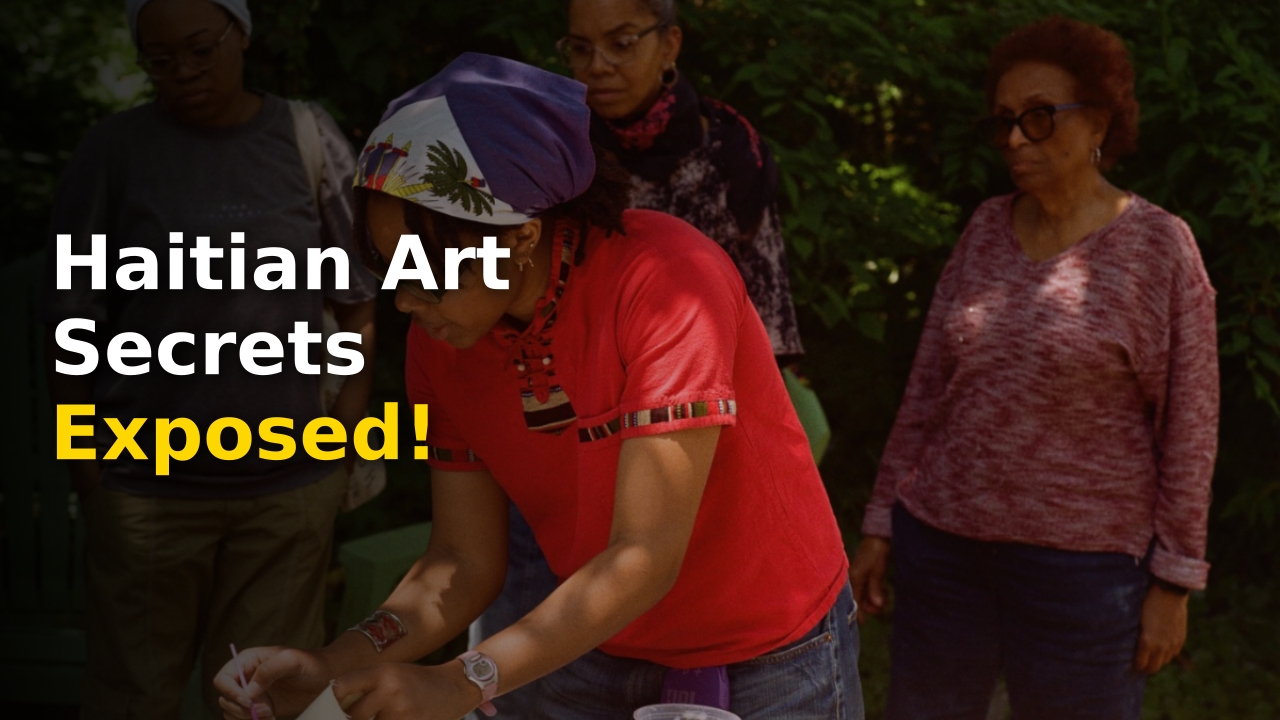
Did you know that a single residency in Brooklyn is single-handedly rewriting the history of Haitian Art through community revolution and ancient rituals? You have the rare chance to witness a cultural transformation that bridges the gap between the 1930s Caribbean and modern-day New York streets.
Haiti Cultural Exchange (HCX) is officially opening the doors for its 10th artist cohort, marking a decade of creative resistance and heritage preservation. This is not just another gallery show; it is a movement that empowers you to engage with the soulful heartbeat of a nation that refused to be silenced.
As the 2026 residency cycle approaches, the call for creators is louder than ever, seeking those who can turn forced migration and foreign occupation into visual masterpieces. Haitian Art remains a pillar of identity for thousands of Brooklyn residents who carry the spirit of the first independent Black republic in their DNA.
Defining Haitian Art Legacy
The essence of Haitian Art lies in its ability to survive and thrive despite centuries of external pressure and internal struggle. You see this resilience in every brushstroke and hear it in every rhythm captured during the legendary Lakou NOU artist residency sessions.
This program specifically targets the neighborhoods of Crown Heights, Canarsie, East Flatbush, and Flatbush to ensure the local diaspora remains connected to their roots. These areas have served as a sanctuary for generations of families who brought their traditions across the Atlantic to build a new life in Brooklyn.
By participating in this exchange, artists do more than create; they document the ongoing story of a people defined by their revolutionary spirit. The residency is a nine-month deep dive into the socio-political issues that continue to shape the lives of Haitians both at home and abroad.
The Lakou Philosophy
- Lakou NOU translates to ‘Our Yard,’ symbolizing a communal space for sharing and growth.
- Projects focus on traditional practices that have been passed down through oral histories.
- Artists address the trauma of forced migration through collaborative storytelling.
- The program encourages public engagement to make art accessible to everyone in the neighborhood.
You can discover more about the intersection of celebrity influence and cultural movements when you explore more vibrant cultural coverage at brightcelebrity.com. This connection between high art and community activism is what makes the Brooklyn scene so unique and powerful for emerging talents.

Lakou NOU Residency Secrets
The Lakou NOU residency is entering its 10th year of operation, a milestone that proves the enduring demand for Haitian Art in the urban landscape. This isn’t a solitary endeavor where artists hide away in a studio for months on end without outside contact.
Instead, you will find artists working side-by-side with grandmothers in East Flatbush and youth in Canarsie to co-create work that reflects real-time community needs. This collaborative model ensures that the final output is a mirror of the community’s collective soul rather than just an individual’s perspective.
Applications for this prestigious cycle are open until Friday, Sept. 4, 2026, giving you a narrow window to join this elite group of cultural ambassadors. The selection process is rigorous, looking for those who can tackle heavy themes like foreign occupation with grace and innovation.
Why This Cohort Matters
The 10th cohort represents a decade of data and artistic evolution that has helped stabilize the cultural economy in Brooklyn. By funding these artists, HCX is effectively investing in the psychological well-being and social cohesion of the entire borough.
Artists are given the platform to explore the historical ‘revolution’ of Haiti, connecting the 1804 victory to modern struggles for equity and representation. This thematic depth is why Haitian Art continues to command attention in global auction houses and local community centers alike.
The program provides a stipend and professional development, ensuring that the creators can focus entirely on their craft and community engagement. This level of support is rare in the competitive New York art world and highlights the commitment of HCX to its mission.
Historical Roots Without End
One of the most anticipated events of the season is the ‘Rasin San Bout | Roots Without End’ exhibition, which showcases the depth of Haitian Art. This show is a masterclass in temporal blending, pairing modern creations with sounds recorded nearly a century ago.
You will experience the hauntingly beautiful recordings made by ethnomusicologist Alan Lomax during his travels through Haiti in 1936 and 1937. These recordings were made at the suggestion of the iconic author Zora Neale Hurston, who recognized the urgent need to preserve Haitian rituals for the Library of Congress.
The exhibition, running from Sept. 19 to Oct. 18, 2026, acts as a sonic bridge between the ancestors and the current generation of Brooklynites. It proves that the cultural umbilical cord remains intact despite the thousands of miles and decades of separation.
Lomax and Hurston’s Vision
- Alan Lomax captured the raw sounds of Vodou ceremonies and field songs during a pivotal era.
- Zora Neale Hurston’s anthropological insights provided the context needed to understand these complex rituals.
- The Alan Lomax Archive collaboration brings these rare recordings to a public audience for the first time in years.
- Contemporary artists use these sounds as a foundation for new visual and performance-based works.
The exhibition will be hosted at the HCX headquarters at 35 Lafayette Ave. in the heart of Brooklyn’s cultural district. Visiting hours are designed to fit your schedule, with doors open Thursday through Sunday from 1 to 6 p.m., or by special appointment on Wednesdays.

Brooklyn Neighborhood Cultural Impact
The geographical focus of the Haiti Cultural Exchange is no accident; it centers on the very places where Haitian Art is lived every single day. Crown Heights and Flatbush are the literal epicenters of the Haitian diaspora in the United States, providing a rich backdrop for creative exploration.
When you walk through these neighborhoods, you see the influence of the residency in the murals, the music coming from local shops, and the conversations in the parks. The Lakou NOU program takes these existing cultural threads and weaves them into a professional narrative that demands respect from the broader art world.
By bringing high-caliber Haitian Art into the local library or community garden, HCX breaks down the ‘ivory tower’ barriers of traditional museums. This approach ensures that the people whose history is being depicted are the ones who actually get to see and critique the work.
Local Neighborhood Breakdown
Flatbush is often called ‘Little Haiti,’ and for good reason—it serves as the commercial and cultural hub for the community. The residency programs here often focus on the preservation of the Kreyòl language and the culinary traditions that define the Haitian experience.
Canarsie and East Flatbush offer a different vibe, often focusing on the intergenerational stories of families who moved to the suburbs of Brooklyn in search of the American dream. Artists in these areas explore the nuances of maintaining a dual identity while navigating the complexities of modern American life.
Crown Heights serves as the bridge between the traditional and the contemporary, where the historic architecture meets the cutting-edge energy of the New York art scene. This neighborhood provides a perfect stage for the ‘Rasin San Bout’ exhibition and the opening reception rituals.
Haitian Art Financial Growth
The sustainability of these programs relies on a mix of public support and strategic partnerships that keep the Haitian Art scene thriving. Brooklyn Org has stepped up in a major way, offering to match every single donation to HCX dollar for dollar through Aug. 30.
This means your contribution has twice the impact, providing the necessary capital to fund the 10th artist cohort and the extensive archival exhibition. Financial stability is the backbone of cultural preservation, allowing artists to take risks and explore controversial themes without fear of losing their livelihood.
The residency allows artists to develop work collaboratively, which often leads to more sustainable and long-term community projects. These aren’t just temporary installations; many of the relationships formed during Lakou NOU last for years, creating a permanent network of cultural workers across Brooklyn.
Residency and Exhibition Overview
| Program Feature | Key Date / Location | Significance |
|---|---|---|
| Lakou NOU Application | Sept. 4, 2026 | Deadline for 10th Cohort |
| Roots Without End Show | Sept. 19 – Oct. 18 | Archival Sound & Art Pairing |
| Matching Grant Deadline | Aug. 30, 2026 | Dollar-for-Dollar match |
| HCX Gallery Location | 35 Lafayette Ave. | Brooklyn Cultural District |
As the matching grant deadline approaches, the urgency for community involvement reaches a fever pitch. This is your chance to play a direct role in the survival of a culture that has faced immense challenges but remains unbowed.
Preserving The Vibrant Future
The future of Haitian Art depends on the successful recruitment of the next generation of visionaries who understand that art is a tool for liberation. By merging the historical archives of the Library of Congress with the raw energy of Brooklyn’s streets, HCX is creating a roadmap for other diaspora communities to follow.
You are invited to be part of this 10th-anniversary celebration, whether as an applicant, a donor, or an attendee at the upcoming exhibition opening. The sheer volume of talent coming out of the Haitian community is a testament to the power of cultural memory and the importance of dedicated spaces like HCX.
In a world that is increasingly digital and disconnected, the Lakou NOU residency brings us back to the ‘yard’—the physical space where stories are told and futures are built. Support the artists, visit the gallery, and immerse yourself in the rich, complex, and beautiful world of Haitian Art today.
More Like This
For more updates, check out our latest entertainment and sports news.