Key Takeaways
| Dudamel transitions from LA Philharmonic to lead the New York Philharmonic after a two-season vacancy. |
| The maestro is shifting his style from pure adrenaline-chasing to a focus on the excitement of precision. |
| Strategic alignment between Dudamel and president Matías Tarnopolsky signals a major institutional reset. |
| Rehearsal techniques include unconventional, whimsical metaphors to bridge technical rigor with emotional performance. |
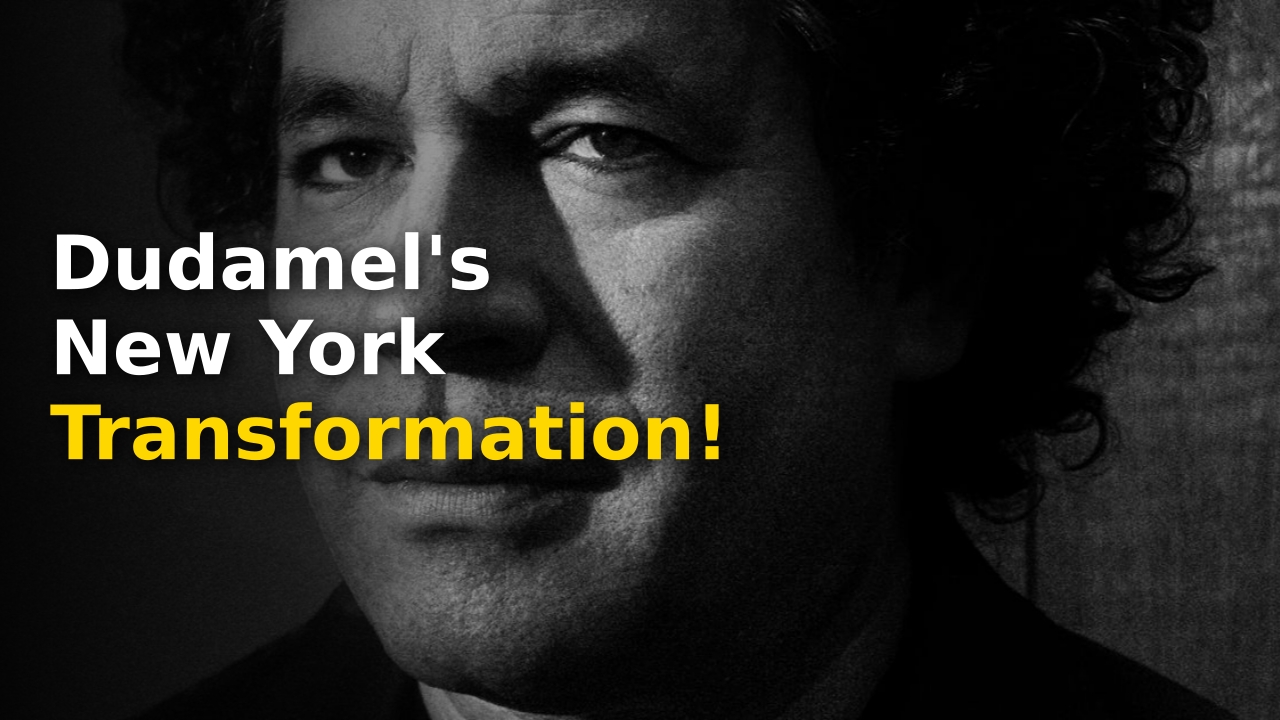
Gustavo Dudamel enters a transformative chapter as he officially takes the helm of the New York Philharmonic in 2025. You have likely heard the hype surrounding the maestro, but his latest tenure marks a departure from the ‘boy wonder’ excitement of his youth toward a more measured, nuanced mastery. Having spent 17 years building a legacy in Los Angeles, he now faces the daunting task of revitalizing New York’s cultural heartbeat through what he describes as the excitement of precision.
For decades, the global media has painted him as the second coming of Leonard Bernstein, a label that often overshadowed his actual musical evolution. Today, at 45, he is no longer seeking merely to raise the decibel levels of a symphony. Instead, he is treating raw power as a framing device for moments of profound, lyrical sweetness. This shift in philosophy is not just a personal aesthetic choice but a necessary evolution for a conductor tasked with leading one of the world’s most storied orchestras.
Gustavo Dudamel New York Philharmonic Strategy
The move to New York is more than a geographic shift; it is a high-stakes challenge to prove his interpretive depth. As he steps into rehearsals at Geffen Hall, Dudamel is actively reshaping the institutional DNA of an orchestra that wandered without a director for two years. He is stripping away the performer-as-celebrity sheen to focus on the grit of the score, utilizing his trademark infectious energy as a tool for connection rather than a substitute for substance. 
His approach to rehearsals is famously unconventional, relying on improvisational prompts that treat musicians as active co-creators. He might instruct his brass section to play with the hushed staccato of someone sneaking home late or encourage violins to mimic the sharp, funny gossip of a secret conversation. These metaphors are designed to bypass the technical rigidity that often plagues elite orchestras. By fostering this sense of play, he ensures that the music remains a living, breathing entity rather than a rote exercise in historical adherence.
The partnership with Philharmonic president Matías Tarnopolsky provides the structural backbone necessary for this transformation. Unlike past eras of institutional friction, the two leaders are moving in lockstep, focusing on a mission to see bridges rather than borders in the arts. This unity is crucial for Dudamel, who needs a secure, collaborative environment to justify the immense hype accompanying his arrival in the city. The objective is clear: to evolve the orchestra into an institution that is as bold and fun as it is intellectually rigorous.
Orchestral Performance Data Comparison
| Metric | Past Era (Maazel/Others) | Dudamel Current Era |
|---|---|---|
| Rehearsal Style | Technical/Brisk | Philosophical/Metaphorical |
| Audience Outreach | Traditional Hall-Bound | Populist/City-Wide Engagement |
| Orchestra Tempo | Stately/Predictable | Elastic/Dynamic Pacing |
| Programming Focus | Standard Canon | World Premieres/Modern Fusion |
Evolution of Classical Leadership
Dudamel understands that being a modern maestro requires a delicate balance of technical management and emotional magnetism. While he is known for his ability to memorize hundreds of pages of orchestral scores in seconds, he insists that these details exist only to serve the emotional narrative. By digging into the micro-details of works like Mahler’s Fifth, he invites his players into a dialogue that transcends the written notes on the page. This approach has earned him the respect of veteran musicians who might otherwise scoff at a conductor’s attempts to ‘teach’ them a familiar standard. 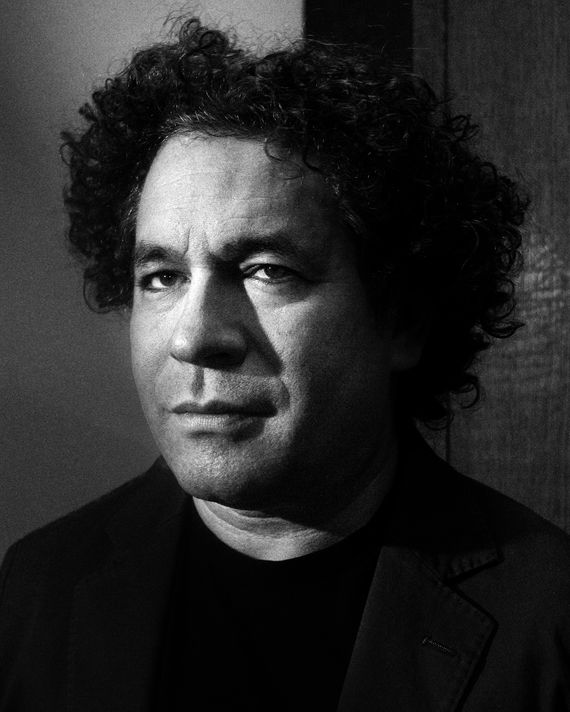
His career trajectory, deeply linked to Forbes’ analysis of global cultural influence, shows a constant drive for enrichment through cross-genre collaboration. Working with pop icons like Chris Martin and Beyoncé has not diminished his classical credentials but rather expanded his understanding of pacing and audience engagement. This ‘pop-cred’ is a strategic asset for the New York Philharmonic, allowing the organization to shed its reputation as an aging cultural relic. Dudamel’s focus on celebrity leadership in music highlights how he treats the concert hall as a venue for communal experience rather than a pedestal.
The current era of the Philharmonic also involves moving out of Lincoln Center to reach diverse neighborhoods. By taking the music to venues like Radio City Music Hall and the United Palace, Dudamel is executing a vision of accessibility that defined his long, successful tenure at the Hollywood Bowl. This is the ultimate test of his artistic evolution in 2025, as he attempts to maintain world-class standards while expanding the reach of the orchestra to new, younger audiences. His ability to connect with section players and principals alike has created a rare sense of unanimity in an often-fractious environment.
People Also Ask
Why is Gustavo Dudamel currently trending in the classical music world?
Gustavo Dudamel is trending due to his official transition to the New York Philharmonic, marking a major shift in the leadership of one of the world’s premier musical organizations after a multi-year vacancy.
How has Dudamel’s rehearsal style changed over the years?
He has moved away from purely adrenaline-driven, high-decibel conducting toward a more nuanced approach focused on the excitement of precision and emotional metaphor.
What is the connection between Gustavo Dudamel and Matías Tarnopolsky?
Dudamel and Tarnopolsky share a long-standing professional friendship and trust, which they are leveraging to align the artistic and business priorities of the New York Philharmonic.
How does Dudamel integrate pop culture into his symphonic work?
He draws on his experiences collaborating with artists like Chris Martin and Bruno Mars, applying their rigor and attention to detail to the symphonic repertoire to make it more vibrant and accessible.
Future of the Philharmonic
Looking ahead, the success of the New York Philharmonic depends on whether Dudamel can sustain the current fervor without succumbing to the burnout that often plagues high-profile conductors. The initial concerts, including works by John Adams and Zosha Di Castri, suggest a commitment to eclectic programming that honors the past while embracing the avant-garde. You are witnessing a conductor who is consciously reinventing himself at the height of his career, aiming to ensure that the orchestra remains a vital, living institution.
By prioritizing the ‘Mahlerian’ soul and maintaining a focus on technical excellence, he is setting a new standard for what a major American orchestra can represent. Whether or not he successfully captures the imagination of the wider city remains to be seen, but the initial evidence is promising. For those tracking modern conductor trajectories, the progress of this tenure will be the defining story of the decade. As Dudamel continues to bridge the gap between historical weight and contemporary vibrancy, the Philharmonic is well-positioned to remain the cornerstone of New York’s high-culture landscape for years to come.
More Like This
For more updates, check out our latest entertainment and sports news.