Key Takeaways
| The 1960s served as the creative crucible that transformed rock from a teenage fad into a permanent, respected art form. |
| The Beatles, Rolling Stones, and Bob Dylan fundamentally shifted global culture through lyrical innovation and sonic exploration. |
| Songs like Hey Jude shattered industry norms by challenging the strict three-minute single radio format. |
| Psychedelic experimentation and raw teenage angst defined the era’s transition from pop-rock to heavy metal and punk foundations. |
The 10 greatest classic rock songs that defined the 1960s changed the trajectory of global music culture forever, transforming simple melodies into the bedrock of modern artistic expression. If you want to understand how a single decade birthed the giants of rock, you have to look at the seismic shift that occurred when bands dared to move beyond the constraints of traditional pop. From the British Invasion to the psychedelic explosion, these tracks captured the raw energy and social unrest of a generation.
As rock ‘n’ roll matured during the mid-sixties, artists began viewing their output not just as commercial product but as a serious vehicle for storytelling. Icons like The Beatles, The Kinks, and The Who were at the forefront of this transformation, channeling their hopes, fears, and dreams into timeless records. This evolution did more than just sell tickets; it provided a soundtrack for a rapidly changing world.
Defining the 10 Greatest Classic Rock Songs That Defined the 1960s
The dawn of the 10 greatest classic rock songs that defined the 1960s began with the Beatles conquering the American charts. “I Want to Hold Your Hand” serves as the ultimate catalyst, marking the first Billboard No. 1 by the Fab Four and essentially opening the door for the British Invasion. Before this, the band was hesitant to tour the U.S., believing they hadn’t yet proven their worth in the land of rock’s originators. Their subsequent performance on The Ed Sullivan Show remains one of the most significant moments in music history.
Meanwhile, the raw intensity of the decade was captured perfectly by The Kinks and The Who. When Ray Davies penned “You Really Got Me,” he wasn’t just writing a hit; he was architecting the DNA of future heavy metal and punk movements. Similarly, The Who’s “My Generation” became the rallying cry for a youth cohort struggling to find their identity in a post-World War II society. The song’s grim, honest outlook on being young and lost allowed the band to transcend their initial expectations of a short-lived career.
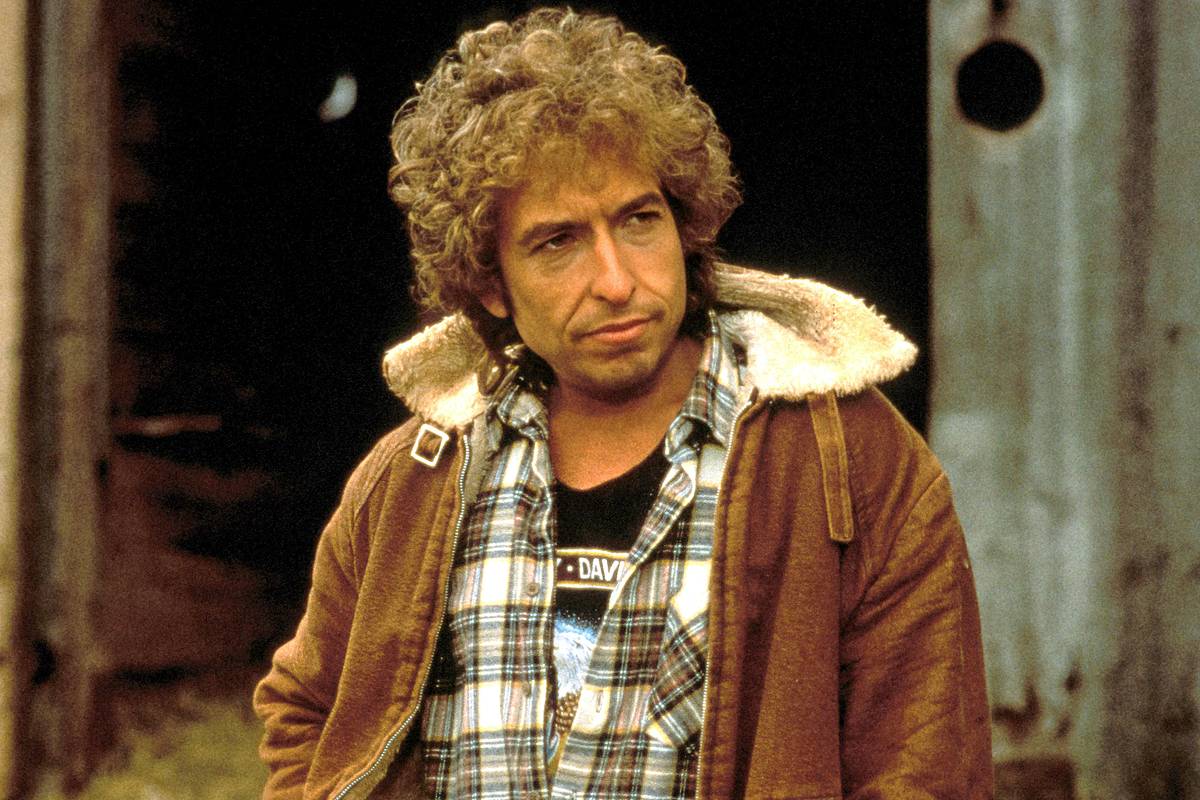
The intellectual weight of the decade found its voice in Bob Dylan. His 1965 masterpiece, “Like a Rolling Stone,” famously began as a ten-page rant before finding its footing as an accidental, groundbreaking rock song. By stripping away pop sensibilities and embracing a raw, revenge-fueled narrative, Dylan expanded what listeners expected from a radio hit. It was a clear departure from the polite lyrical tropes of the previous decade, forcing the audience to confront a more complex, bitter reality.
The Psychedelic Frontier and Orchestral Ambition
The latter half of the decade pushed boundaries into the avant-garde. The Doors utilized the haunting, hypnotic vocals of Jim Morrison and a keyboard-heavy sound influenced by classical composers like Bach to create “Light My Fire.” This track remains the definitive beacon of the 1960s psychedelic era. Simultaneously, The Beach Boys were innovating in the studio with Pet Sounds. “God Only Knows” featured complex chord progressions and harmonies that even Paul McCartney later cited as a major influence on his own songwriting philosophy.
Performance Data and Chart Impact
To understand the immense cultural weight of these tracks, one must look at how they defied conventional industry metrics. Producers and labels often feared the creative risks taken by these artists, particularly regarding song length and thematic content. The following table highlights key production and cultural milestones for these seminal 1960s tracks.
| Song Title | Artist | Release Year | Significance |
|---|---|---|---|
| I Want to Hold Your Hand | The Beatles | 1963 | First US Billboard No. 1 |
| Hey Jude | The Beatles | 1968 | Revolutionized single duration |
| Satisfaction | Rolling Stones | 1965 | Defined “bad boy” image |
| My Generation | The Who | 1965 | Youth anthem of defiance |
As indicated above, the industry standard was a three-minute song. When The Beatles pushed to release “Hey Jude” at over six minutes, producers were terrified that radio stations would refuse to play it. John Lennon’s insistence that their name alone could command airplay proved the shift in power from labels to the artists themselves. This move, much like the controversial banning of “A Day in the Life” by the BBC, signaled that the old guard of the music industry was officially losing control to the visionaries of the new era.
Deep Context: The Evolution of Songwriting
The 1960s were not just about the hits; they were about the collaborative processes that shaped them. The collaboration between John Lennon and Paul McCartney on “A Day in the Life” remains perhaps the most influential example of this. By stitching together two distinct musical ideas, they created a dreamlike structure that mirrored the surreal reality of the decade. This was a massive pivot from the standard verse-chorus-verse structure of the early 1960s.
Furthermore, the incorporation of social commentary became a staple of the era. The Rolling Stones’ “(I Can’t Get No) Satisfaction” was a direct assault on the growing commercialism that defined the middle class. Mick Jagger wasn’t just singing about frustration; he was tapping into a societal shift where the youth were becoming disillusioned by consumerist culture. This was the birth of the rock star as a political and social provocateur.

Expert Perspective: The Legacy of Innovation
Critics and historians often point to this period as the moment music moved from entertainment to fine art. The inclusion of classical structures and orchestral arrangements was unheard of in rock until the mid-to-late sixties. By blending these high-art influences with the visceral nature of the blues and rock ‘n’ roll, these artists managed to create a sound that was both accessible to the mainstream and deep enough for academic critique.
People Also Ask
Why was the song Hey Jude considered controversial?
Hey Jude was controversial primarily due to its length. At over six minutes, it shattered the standard three-minute radio single format, leading producers to worry that stations would refuse to play it.
What influenced The Doors’ Light My Fire?
The track was influenced by a mix of Bach’s keyboard style and the progression from the song My Favorite Things, leading to its signature psychedelic organ riff.
Did Bob Dylan write Like a Rolling Stone about Joan Baez?
While many fans and critics believe the song was directed at Joan Baez during their tumultuous relationship, Dylan never explicitly confirmed this, describing it instead as a song about righteous anger.
What was the original inspiration for The Kinks’ You Really Got Me?
Ray Davies was inspired after seeing an attractive woman at The Scene Club in Soho who quickly disappeared, leaving him frustrated and driven to write the lyrics.
The Enduring Influence of 60s Rock
Reflecting on the 10 greatest classic rock songs that defined the 1960s, it is clear their influence remains unshakeable. Every modern band that experiments with song structure or uses their platform to critique culture owes a debt to these pioneers. Whether through music history storytelling or by exploring the profound impact of the Beatles, the legacy of these tracks survives. By consistently pushing the boundaries of what was acceptable in rock, these musicians secured their place in history, ensuring that the sound of the 1960s would echo through the decades to come.
More Like This
For more updates, check out our latest entertainment and sports news.