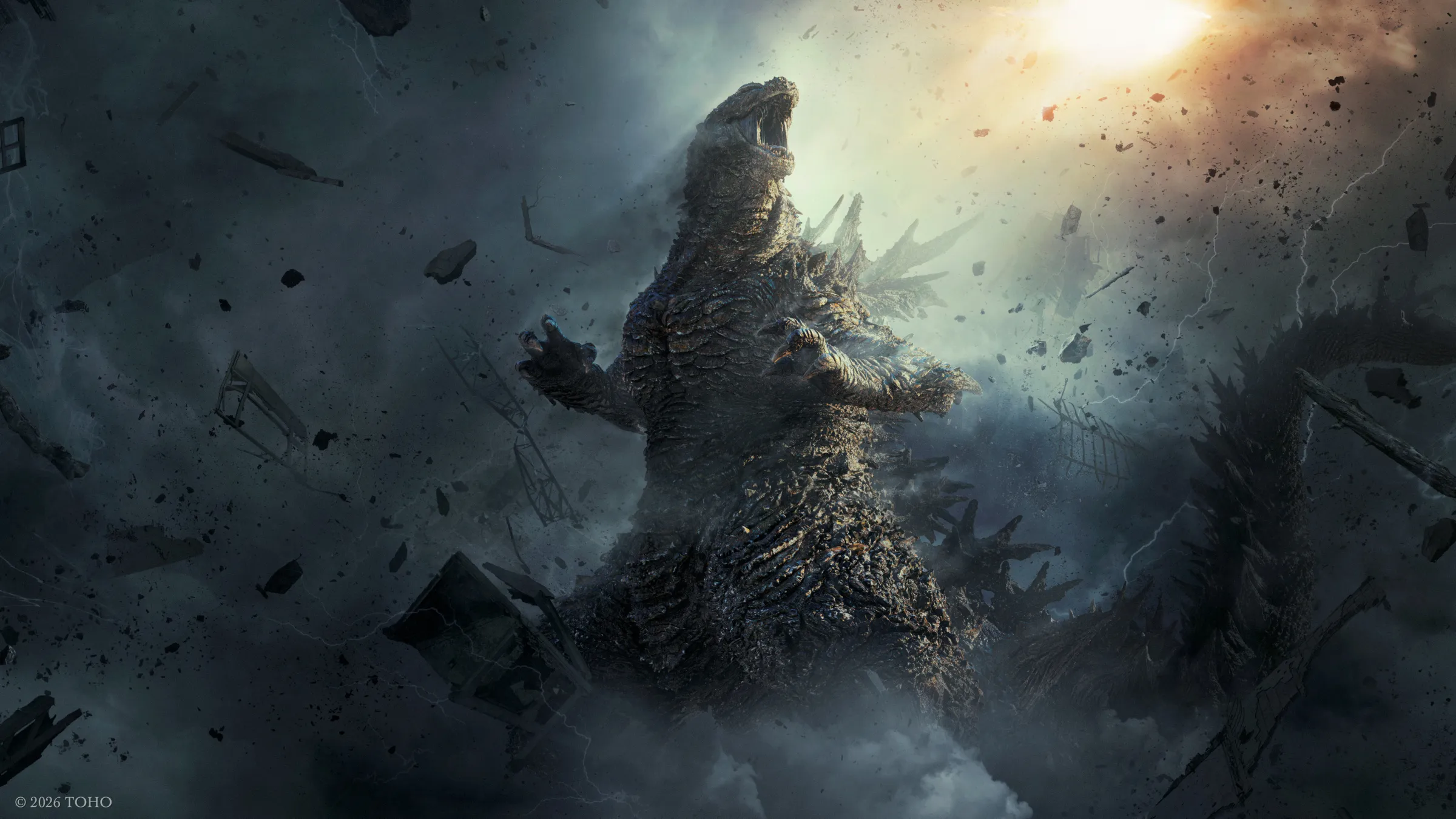
Godzilla tropes define the foundation of the most durable franchise in movie history, yet even the most devoted fans often overlook the recurring patterns that make these films tick. Since the original 1954 masterpiece, this radioactive icon has stomped through our collective consciousness, evolving from a nuclear metaphor into a global blockbuster powerhouse.
You might think you know every roar and every building-toppling scene by heart, but there are deeper structural elements at play here. By analyzing the DNA of the series, we uncover how these specific creative decisions keep audiences coming back for more, regardless of the era or the director.
Godzilla Tropes And Persistent Patterns
The first pattern you will notice is the miraculous return of the beast after his supposed death. No matter how many times Dr. Daisuke Serizawa or the military drops an Oxygen Destroyer or triggers a nuclear explosion, the King of the Monsters always finds a way to return. In 1955’s Godzilla Raids Again, the creators simply brushed off the death of the first monster, suggesting another individual took his place. This convenient plot device allows the series to maintain continuity while wiping the slate clean for new, high-stakes battles.
Then we have the tradition of the ever-expanding roster of kaiju rivals. Whether it is Anguirus or the alien Xiliens, the franchise understood early on that a solitary Godzilla movie could eventually lose its edge. By introducing new threats or allies like Mothra and King Ghidorah, the films keep the action fresh and the toy manufacturers happy. This evolution of the creature-feature genre is what keeps the brand relevant across decades of technological shifts.
The military’s repeated failure remains one of the most consistent points of comedy and drama within the series. Whether it is Shin Godzilla showing the absurdity of government bureaucracy or Godzilla Minus One highlighting the tragic cost of unpreparedness, the first wave of human defense is destined to fail. This is not just a trope; it is a narrative requirement to emphasize that humanity is simply out of its depth when facing a force of nature. 
Scale remains the ultimate visual goal, with landmarks serving as the canvas for destruction. The Ginza Wako clock tower was a symbol of post-war recovery in the original film, yet in later versions, cities like San Francisco or New York become the playground for gargantuan brawls. This sense of global reach ensures that the movies feel important and large-scale, drawing in audiences who want to see their own maps reimagined as battlefields.
Finally, we have the human-centric narrative structure that defines every single entry. While the posters highlight the monster, the dialogue and screen time are almost always dominated by human characters trying to solve the problem. This was initially a budgetary necessity in the era of Toho practical effects, but it has become a staple of the storytelling DNA. You get to know the scientists and soldiers intimately, ensuring you have a perspective on the ground when the monster makes his move.
Why These Patterns Matter
- Audience familiarity breeds comfort during chaotic monster scenes.
- The formulaic approach allows directors to innovate within a safe box.
- Financial constraints historically drove the most iconic creative choices.
- The Godzilla brand thrives on a balance of human stakes and monster spectacles.
Statistical Breakdown Of The Kaiju Franchise
To understand the longevity of the franchise, one must look at the data behind the monster’s appearances. We have compiled a summary of key eras and their primary focus to show how these tropes manifest over time.
| Era Name | Primary Focus | New Tropes Introduced |
|---|---|---|
| Showa Era | Adventure & Fantasy | Monster crossovers |
| Heisei Era | Scientific Tragedy | Internal monster evolution |
| Millennium | Standalone Retelling | Meta-commentary |
As noted on Wikipedia, the series has undergone multiple reboots, each time solidifying these tropes for a new generation. Every time the series shifts, it brings unique celebrity insights into the culture of monster films. You can see the shift from practical suit-mation to the sophisticated CGI of the MonsterVerse, yet the core Godzilla tropes remain remarkably stable. 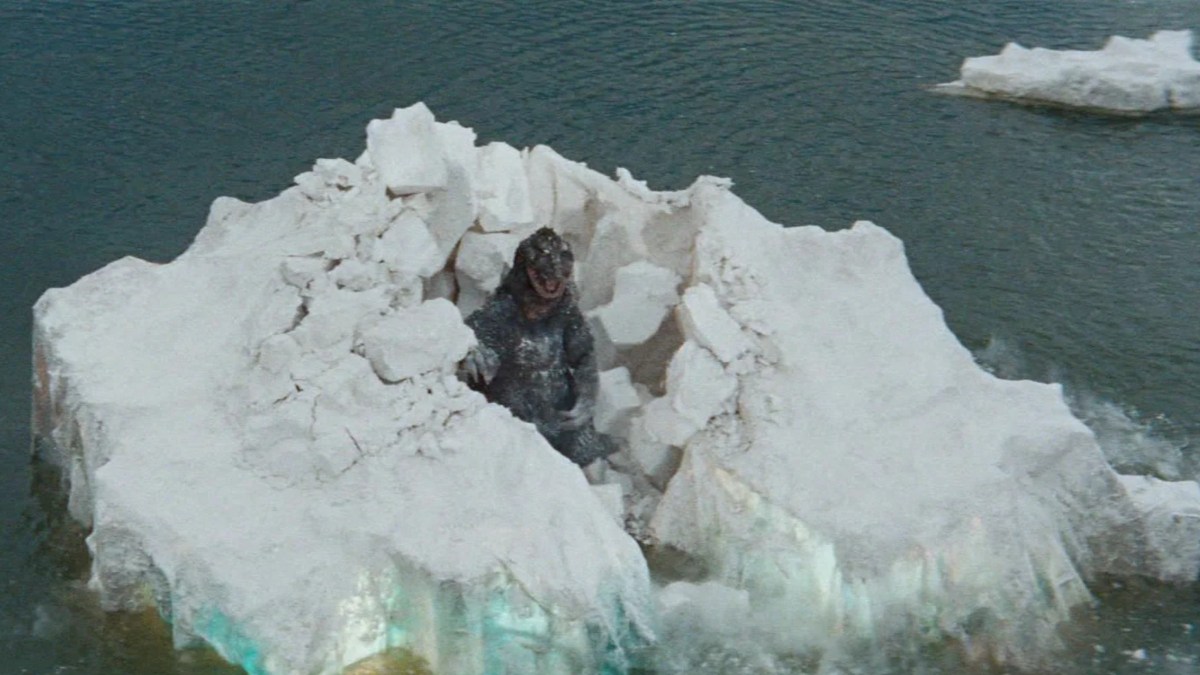 This consistency is what allows the audience to instantly recognize the brand, regardless of the language or the budget. The reliance on human struggle, the inevitable failure of the military, and the mysterious rebirth of the beast are the threads that bind the entire 70-year history together. Whether you are watching a 1960s classic or a modern blockbuster, you are participating in a tradition that values high-stakes storytelling above all else.
Final Thoughts On The King
Understanding these elements does not diminish the magic of the films; instead, it enhances your appreciation for how filmmakers masterfully juggle these requirements. The beauty of Godzilla tropes lies in the execution, as each new director finds a way to present a familiar beat in a way that feels brand new. From the somber atmosphere of Minus One to the wilder, colorful brawls of the older classics, the King of the Monsters will continue to dominate the silver screen for decades to come. By keeping these patterns alive, the franchise ensures its place in the pantheon of cinema forever.
More Like This
For more updates, check out our latest entertainment and sports news.