Key Takeaways
| The Episode Cut: Showrunners condensed the final narrative arc into just 6 episodes instead of the standard 10-episode order. |
| The Viewer Backlash: Over 1.8 million frustrated fans signed an unprecedented Change.org petition demanding a complete remake. |
| Production Fatigue: Infamous on-set gaffes like the rogue coffee cup exposed tight turnaround times during intense night shoots. |
| Franchise Repercussions: HBO dramatically narrowed its spin-off pipeline, leading to slower, deliberate pacing for House of the Dragon. |
You probably still remember the sheer disbelief that gripped living rooms worldwide during the dramatic conclusion of Game of Thrones season 8. The polarizing final chapter shattered pop culture unity, transforming an international television triumph into one of Hollywood’s most fiercely debated creative miscalculations. Instead of rewarding nearly a decade of careful loyalty, the abrupt sprint to the Iron Throne left millions questioning how such an intricate fantasy world could unravel so quickly.
Even six years after the divisive finale aired, new streamers and longtime loyalists regularly collide across social media over whether the final stretch ruined television history. What was intended to be an emotional masterclass ended up highlighting severe structural cracks when the production outpaced its beloved source material. You can follow broader television industry retrospectives and breaking entertainment headlines at brightcelebrity.com for deep dives into modern franchise culture.
Game of Thrones Season 8 Narrative Collapse
The fundamental conflict of Game of Thrones season 8 stems from narrative compression that stripped the world of its deliberate pacing. When showrunners David Benioff and D.B. Weiss elected to wrap an epic political puzzle in just six episodes, character growth had to yield to rigid mechanics. Plot points that required seasons of gradual groundwork occurred in mere seconds, leaving emotional payoffs unearned and jarring.
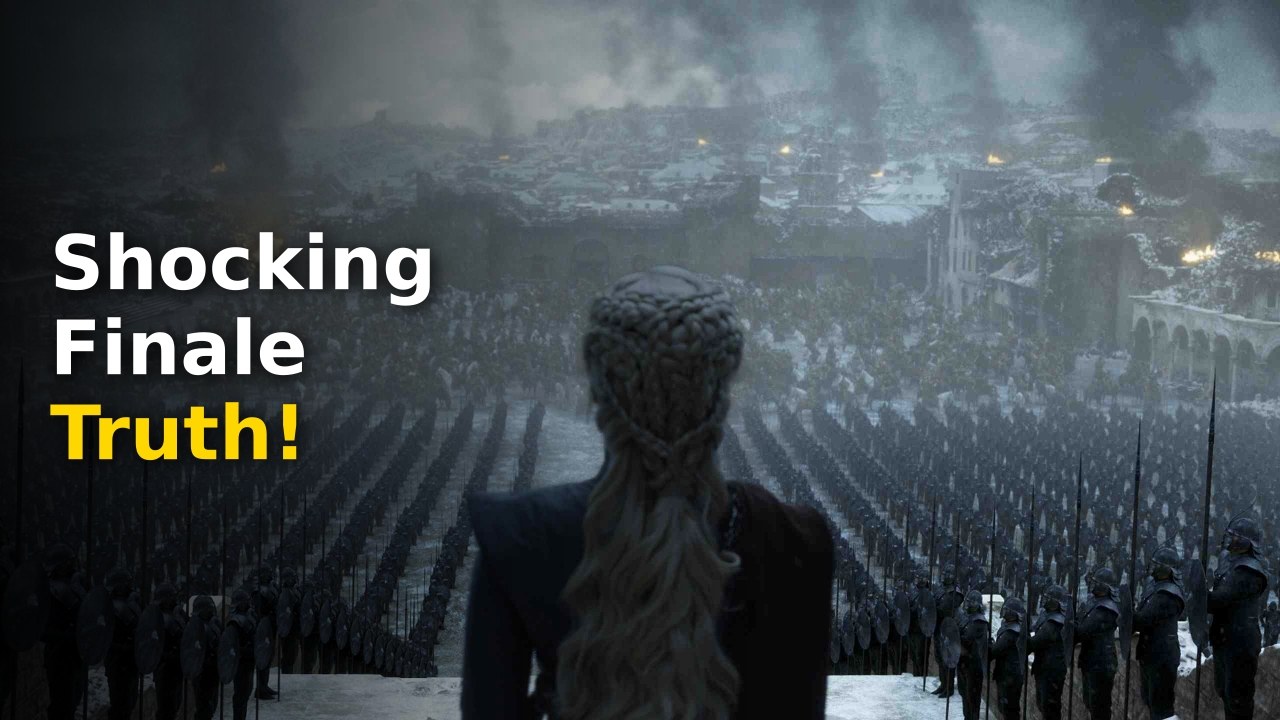
The transformation of Daenerys Targaryen remains the most volatile point of contention for audiences. Across seven seasons, the dragon queen championed the downtrodden while exercising calculated restraint against innocent populations. Her sudden descent into genocidal madness at King’s Landing felt completely jarring, unfolding across two hurried episodes rather than an organic, tragic character evolution.
Supporting character resolutions sparked equal outrage across the fanbase. The complex redemptive arc of Jaime Lannister was dismantled within a single episode as he discarded years of personal growth to return to Cersei Lannister. Meanwhile, the unexpected crowning of Bran Stark as king confused viewers, particularly since the three-eyed raven spent seasons proclaiming detachment from worldly politics.

Pacing Problems and Production Strains
Condensing major military campaigns and generational prophecies into short windows broke the show’s internal geography. Soldiers and ravens seemingly crossed thousands of leagues in single scenes, eroding the vast spatial stakes established in earlier seasons.
- Teleporting Armies: Character ensembles moved across entire continents without logistical friction or temporal consequence.
- Unearned Character Turns: Decades of moral nuance evaporated as complex anti-heroes suddenly adopted extreme ideological positions.
- Discarded Prophecies: Major mythic storylines like the prince that was promised or Azor Ahai were abruptly abandoned without resolution.
- Rushed Diplomacy: The foundational political tensions of Westeros were decided through a hurried council meeting among noble survivors.
For additional coverage of high-stakes Hollywood productions and the evolving dynamics of prestige drama, check out our analysis of entertainment industry news shaping current television trends. The technical stress of mounting massive battle sequences across fifty-five freezing nights left directors and screenwriters with virtually no room to craft intimate character interactions.
Critical Versus Commercial Reception Data
Despite blistering fan fury and historic review bombings, the final season pulled gargantuan ratings that shattered industry benchmarks. Millions of viewers tuned in live each Sunday night, creating a monumental divide between commercial viewership metrics and artistic approval ratings. Examining the data reveals how dramatically the audience turned against the creative choices as the season unfolded.
| Metric Category | Seasons 1 through 7 Average | Season 8 Performance | Impact & Variance |
|---|---|---|---|
| Rotten Tomatoes Audience Score | 91% Positive | 30% Positive | Massive 61-point drop |
| Rotten Tomatoes Critic Score | 94% Positive | 55% Positive | Franchise low critical consensus |
| Live Finale Viewership | 12.1 Million (Season 7) | 19.3 Million Live | All-time record for HBO platform |
| Change.org Remake Signatures | 0 Signatures | 1.82 Million Signatures | Unprecedented viewer petition revolt |
| Primetime Emmy Awards | 38 Wins (Combined) | 12 Wins (32 Nominations) | Swept technical and drama categories |
As documented in IMDb’s comprehensive episode database for the series, the final installment plummeted to an astonishing 4.0 out of 10 score, standing as the lowest-rated hour across seventy-three episodes. The dramatic disconnect between critical contempt and soaring corporate profits became a cautionary case study across Hollywood development rooms.
The Long Night Visuals and Production Cracks
The technical execution of the third episode, titled The Long Night, came to symbolize the season’s core production trade-offs. Filmed across eleven weeks in brutally frigid conditions in Northern Ireland, the battle against the Army of the Dead was meant to serve as television’s definitive combat masterpiece. Instead, home viewers were greeted by crushed black levels and muddy visual compression that left millions staring into an incomprehensible abyss.
Cinematographer Fabian Wagner defended the artistic choice, asserting the photography was intended to evoke authentic terror and suffocating claustrophobia. However, contemporary streaming bitrate constraints and uncalibrated consumer screens meant fans could barely distinguish combatants. Major hero deaths occurred in frantic cuts, stripping what should have been iconic sacrifices of their emotional weight.
The Coffee Cup and Editing Oversight
The relentless production schedule inevitably exposed operational cracks on camera. During the celebratory banquet scene at Winterfell in episode four, viewers spotted an out-of-place disposable coffee cup resting directly in front of Daenerys. Days later, fans identified an unedited plastic water bottle wedged behind the boots of Samwell Tarly in the series finale.
These continuity errors went viral, generating millions of mocking memes across Reddit, TikTok, and X. While such oversights happen on major productions, fans interpreted them as symbolic evidence of a rushed crew scrambling to finish. The immaculate production design that once earned universal praise was suddenly eclipsed by viral mockery.
Legacy and the House of the Dragon Course Correction
The cultural backlash to the final episodes permanently reshaped how HBO manages its valuable intellectual property. Executives quickly understood that audience goodwill could vanish quickly if creative priorities favored speed over narrative depth. Consequently, the network scrapped several proposed spin-off pilots, choosing a cautious approach instead of flooding the market.
When House of the Dragon premiered, showrunners prioritized deliberate court intrigue and ideological complexity over relentless spectacle. The prequel leaned heavily into established textual history, moving methodically through familial tensions to ensure character turns felt earned. Viewers embraced the return to form, proving that audiences were hungry for the patient dialogue that defined earlier adaptations of George R.R. Martin.
The author himself remains a pivotal figure in this ongoing cultural drama. The absence of The Winds of Winter and A Dream of Spring leaves the television finale as the only complete ending to the saga. You can find comprehensive explorations of television writing disputes and franchise trajectories at brightcelebrity celebrity news, where we break down how studios navigate passionate fandoms.
Expert Take: By The Numbers
Industry metrics prove that narrative controversies rarely destroy streaming value. Despite the digital revolt, the fantasy franchise consistently ranks among the most streamed catalog titles worldwide. The sheer volume of repeat viewings underscores an interesting reality: viewers are eager to revisit the opening seasons, even if they skip the polarizing conclusion entirely.
People Also Ask
Why do people hate Game of Thrones season 8?
Most viewers disliked the season because the six-episode run rushed major character arcs, especially Daenerys Targaryen’s sudden turn to villainy. Additionally, fans criticized dark battle scenes in The Long Night and unresolved mythic prophecies.
Did George R.R. Martin write the ending of Game of Thrones season 8?
George R.R. Martin provided broad plot outlines to the showrunners, including Bran becoming king, but he did not write the scripts. The television writers had to invent their own narrative paths because the final books remain unwritten.
How many people signed the petition to remake the final season?
Over 1.8 million fans signed the viral Change.org petition demanding that HBO remake the final season with competent writers. HBO network executives and cast members quickly dismissed the effort as unrealistic.
Did the Game of Thrones season 8 finale win any Emmy awards?
Yes, the final season earned a record thirty-two Emmy nominations and won twelve awards, including Outstanding Drama Series. Peter Dinklage also won Outstanding Supporting Actor in a Drama Series for his portrayal of Tyrion Lannister.
Final Verdict on Game of Thrones Season 8
Years after the Iron Throne was melted into slag, Game of Thrones season 8 remains a defining flashpoint in the golden age of prestige television. It stands as a cautionary tale of what happens when narrative momentum outpaces dramatic foundations. Even as new prequels expand the lore of the Seven Kingdoms, the heated arguments sparked by that final run demonstrate the indelible mark the show left on modern storytelling.
More Like This
For more updates, check out our latest entertainment and sports news.